

Salt looks small and ordinary. It sits in a shaker. It lands on fries. It makes soup taste alive. But this tiny white crystal is a clever chemical compound called sodium chloride, or NaCl.
TLDR: NaCl is table salt. It is made from sodium and chlorine atoms joined in a crystal pattern. About 90% of the salt many people eat comes from processed or restaurant foods, not the salt shaker. For example, a can of soup may contain more salt than a whole bowl of homemade soup with just a small pinch added.
A Tiny Name With a Big Job
The chemical name NaCl tells a simple story. Na means sodium. Cl means chlorine. Put them together, and you get sodium chloride.
That may sound strange. Sodium is a soft metal. Chlorine is a greenish gas. Both can be dangerous alone. Yet together, they form safe, crunchy, tasty salt. Chemistry can be a great magic trick.
In NaCl, sodium gives away one tiny particle called an electron. Chlorine takes that electron. Now sodium becomes a positive ion. Chlorine becomes a negative ion. Opposites attract. So they stick together.
This type of bond is called an ionic bond. Think of it like a very strong hug between plus and minus charges.
The Structure: A Crystal City
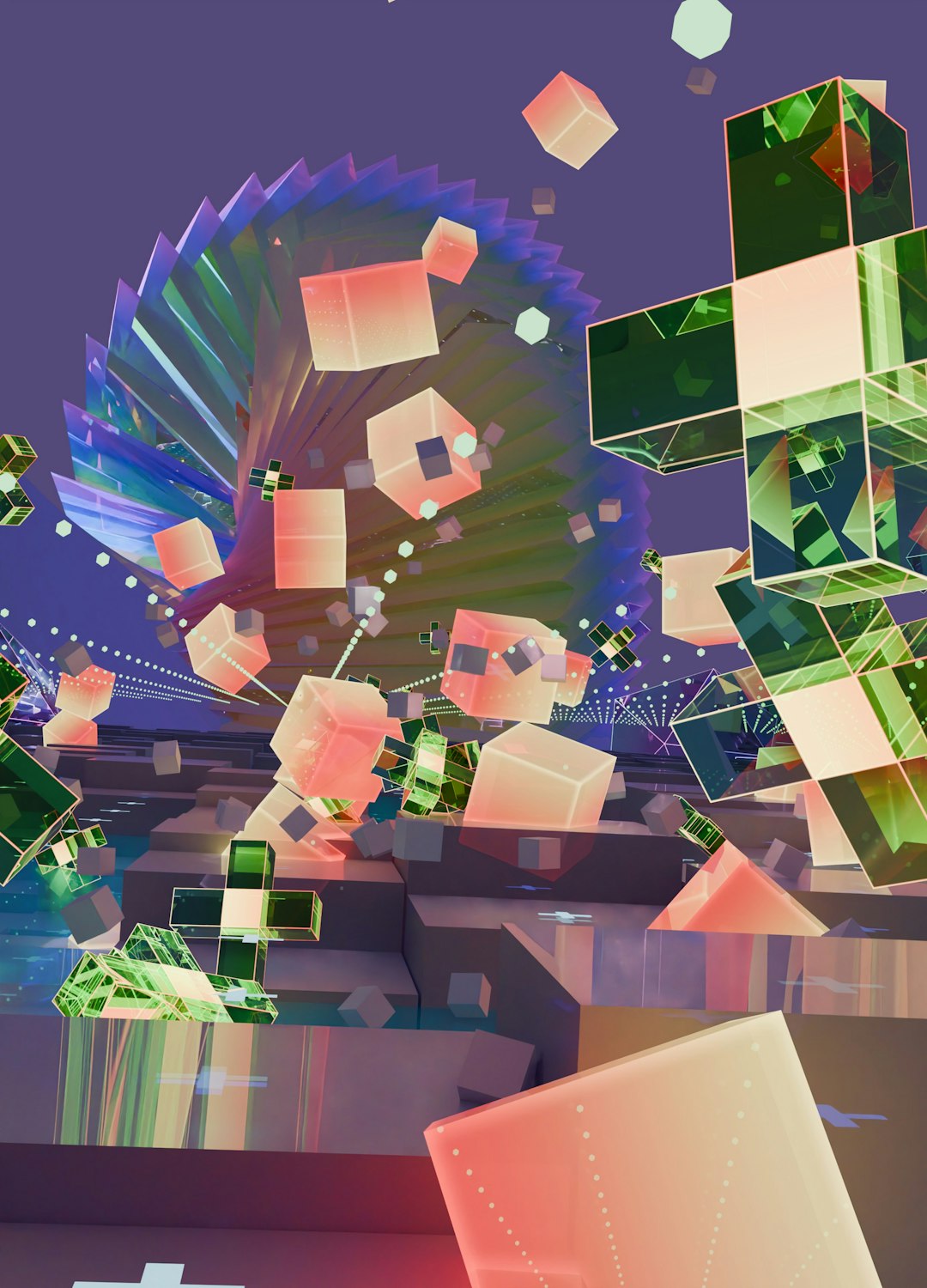
NaCl does not form random blobs. It builds a neat shape. Its ions line up in a repeating pattern called a crystal lattice.
Imagine a city made of tiny cubes. Sodium ions and chloride ions take turns. One sodium sits next to chloride ions. One chloride sits next to sodium ions. The pattern repeats again and again.
This is why salt grains often look like little cubes. If you have a magnifying glass, look at coarse salt. You may see tiny square edges. It is like finding a secret building plan in your kitchen.
The crystal structure also explains many salt facts. It helps salt stay solid at room temperature. It helps salt break into crunchy grains. It also helps salt dissolve in water.
Why Salt Dissolves in Water
Water is a busy little molecule. It has a slightly positive side and a slightly negative side. When salt falls into water, water molecules surround the ions.
The positive side of water pulls on chloride ions. The negative side of water pulls on sodium ions. Bit by bit, the crystal breaks apart. The ions float freely in the water.
This is why salt seems to vanish in soup, pasta water, or the sea. It does not disappear. It spreads out into tiny charged particles.
Try this at home. Add a spoon of salt to a glass of warm water. Stir. The grains vanish faster than in cold water. Warm water gives molecules more energy. They move more and pull ions apart faster.
Important Properties of NaCl
Salt has many useful properties. Some are easy to see. Others are hidden but very important.
- It is white or clear. Pure salt crystals are colorless. A pile of them looks white because light scatters.
- It tastes salty. This sounds obvious. But that taste comes from sodium ions interacting with taste cells.
- It dissolves in water. This makes it easy to use in cooking, cleaning, and industry.
- It has a high melting point. Salt melts at about 801°C. That is very hot.
- It conducts electricity when dissolved. Solid salt does not conduct well. Salt water does, because ions can move.
- It preserves food. Salt pulls water away from microbes. Many bacteria do not like that.
This last point is a big reason salt mattered in history. Before refrigerators, people used salt to keep fish, meat, and vegetables safe for longer. Salt was once so valuable that it was used like money in some places.
Salt in the Human Body
Your body needs sodium and chloride. They are not just flavor helpers. They help nerves send signals. They help muscles move. They also help balance water in your cells.
But balance matters. Too little salt can cause problems. Too much salt can also cause problems. Many health groups suggest most adults keep sodium below about 2,300 mg per day. That is about one teaspoon of table salt.
Here is the tricky part. Most sodium does not come from what you sprinkle at home. It often hides in bread, snacks, sauces, cheese, frozen meals, and fast food. So reading labels can help.
Fun tip: Taste food before salting it. Then add a little if needed. Your tongue is smart. Let it be the boss.
Everyday Uses in the Kitchen
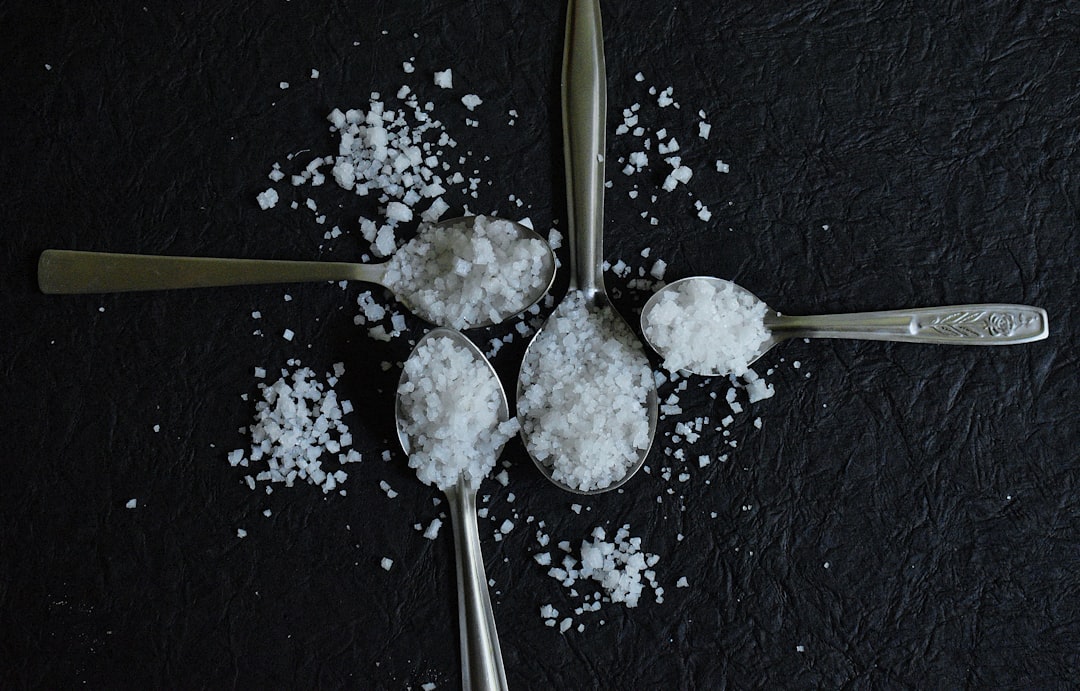
Salt is a superstar in cooking. It does more than make food salty. It wakes up flavors.
- Seasoning: A small pinch can make tomatoes taste sweeter and soup taste richer.
- Boiling pasta: Salted water gives pasta flavor from the inside.
- Baking: Salt balances sweetness. It also helps control yeast in bread.
- Pickling: Salt helps preserve cucumbers, cabbage, and other vegetables.
- Brining: Salt water can make meat juicier by helping it hold moisture.
Salt also changes texture. Sprinkle it on eggplant or cucumbers, and it draws out water. Add it to cabbage, and you can start making sauerkraut. Tiny crystals can do big kitchen work.
Salt Outside the Kitchen
NaCl is not only a food item. It is also a chemical workhorse.
In cold places, salt is spread on icy roads. It lowers the freezing point of water. This helps ice melt. Roads become safer. Cars slip less. Sidewalks become easier to walk on.
But road salt has a downside. It can harm plants. It can rust cars and bridges. It can wash into rivers and lakes. So many cities now use salt more carefully. Some mix it with sand or special liquids.
Salt is also used in water softeners. Hard water contains minerals like calcium and magnesium. A water softener swaps those minerals for sodium ions. This helps soap work better and reduces scale in pipes.
In industry, salt is used to make important chemicals. These include chlorine, sodium hydroxide, and hydrogen. Those chemicals help make paper, soap, glass, plastics, and cleaning products.

Salt in Nature
NaCl is everywhere in nature. It is in oceans, salt lakes, underground deposits, and even in the human body.
Seawater is about 3.5% dissolved salts by weight. Most of that is sodium chloride. That means every liter of seawater holds around 35 grams of salts. No wonder the ocean tastes salty.
Salt deposits form when ancient seas dry up. Water leaves. Salt stays. Over millions of years, layers of salt can become buried underground. People mine these deposits for rock salt.
Another method is evaporation. Seawater or salty lake water is placed in shallow ponds. Sun and wind remove the water. Salt crystals are left behind. It is slow, sunny chemistry.
Different Types of Salt
Not all salt looks the same. But most edible salts are mainly NaCl.
- Table salt: Fine grains. Often has iodine added. Iodine helps prevent thyroid problems.
- Sea salt: Made by evaporating seawater. It may contain tiny amounts of other minerals.
- Kosher salt: Larger flakes. Loved by cooks because it is easy to pinch.
- Rock salt: Big crystals. Often used for ice cream makers or road deicing.
- Himalayan pink salt: Pink color comes from trace minerals, especially iron compounds.
The main difference is grain size, texture, and tiny mineral content. A teaspoon of fine table salt may contain more salt by weight than a teaspoon of large flaky salt. Small grains pack tighter.
A Few Safe Salt Facts
Salt is useful, but it deserves respect. Do not eat large amounts at once. Keep road salt away from pets. Store food salt in a dry place, because it can clump when it absorbs moisture.
If you are watching blood pressure, kidney health, or heart health, ask a medical professional about sodium limits. Food labels can be your friend. Look for “sodium” on the nutrition panel.
The Big Takeaway
NaCl is simple, but not boring. It is a tiny crystal made from sodium and chloride ions. Its structure gives it strength. Its ions help it dissolve. Its properties make it useful in food, health, roads, water systems, and factories.
So the next time you shake salt onto popcorn, pause for one second. You are holding a cube-shaped chemical wonder. It is ancient. It is useful. And yes, it makes snacks taste amazing.