
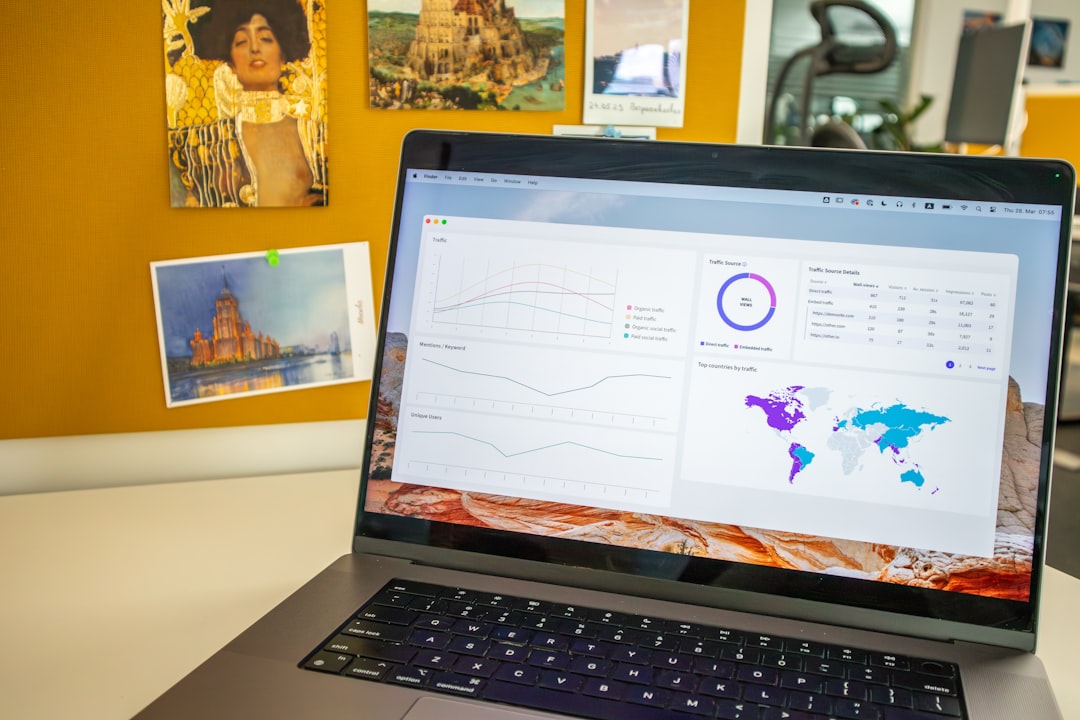
Flowla is a digital sales workspace designed to help revenue teams manage buyer journeys in one shared, trackable environment. Instead of sending scattered links, attachments, calendar invites, and follow-up emails, teams can create structured deal rooms where prospects, customers, and internal stakeholders interact with content, next steps, proposals, and approvals.
TLDR: Flowla is best suited for B2B sales teams that want a cleaner way to manage complex deals, onboarding flows, and buyer collaboration. Its strongest value comes from combining personalized sales rooms, engagement analytics, mutual action plans, and content sharing in one workspace. For example, a sales team managing 50 active opportunities could use Flowla dashboards to identify the 12 deals with the highest buyer engagement and prioritize follow-up accordingly. While it may not replace a CRM, it can make CRM-driven sales processes more buyer-friendly and measurable.
What Flowla Is Built For
Flowla focuses on one of the most common problems in B2B sales: keeping buyers engaged after the first meeting. In many organizations, the buying process includes multiple decision-makers, technical reviewers, finance teams, legal teams, and executive sponsors. Flowla gives sellers a centralized place to guide these participants through the deal without relying solely on email threads.
The platform is especially relevant for sales teams selling software, professional services, consulting, or enterprise products where decisions are not made in a single call. It can also support customer success workflows, such as implementation plans, onboarding checklists, renewal discussions, and account expansion campaigns.
Core Product Features
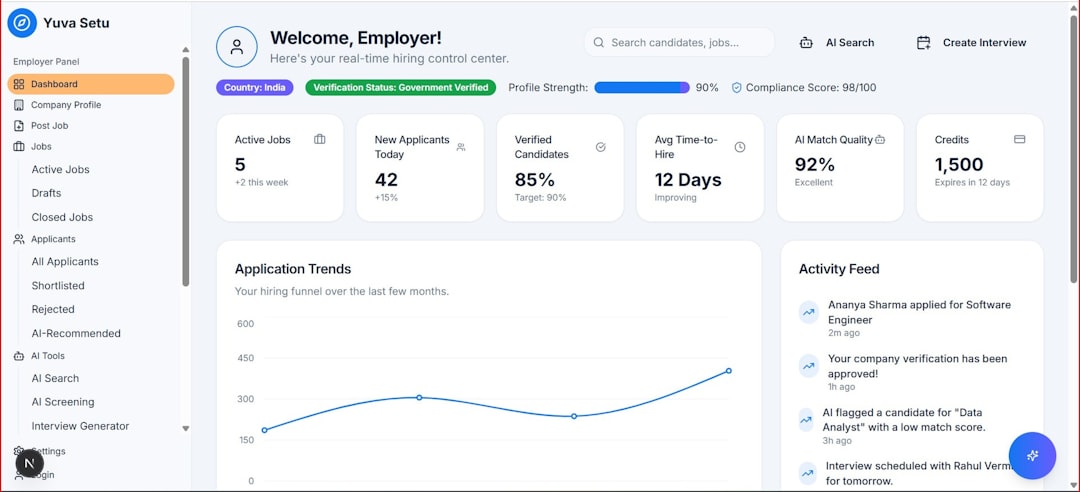
Flowla’s product experience is built around creating digital workspaces called flows. Each flow can contain content, steps, tasks, embedded resources, meeting links, forms, and other deal-related materials. The goal is to make the buyer’s path clearer and easier to complete.
Key Flowla features include:
- Personalized deal rooms: Sellers can create dedicated spaces for each opportunity, account, or customer. These rooms can include branded materials, custom messaging, pricing documents, product videos, case studies, and implementation plans.
- Mutual action plans: Flowla helps teams define next steps, responsibilities, and deadlines. This is valuable when a deal depends on several milestones, such as security review, contract approval, budget confirmation, and executive sign-off.
- Content sharing: Instead of sending separate files or links, sellers can organize content in a structured, sequential way. This helps buyers find what they need without searching through email history.
- Buyer engagement tracking: Flowla can show how prospects interact with content, including visits, views, and engagement patterns. This gives sellers stronger signals than basic email open tracking.
- Templates: Teams can standardize sales processes by using reusable templates for discovery follow-up, proposal delivery, onboarding, renewal, and partner collaboration.
- Collaboration tools: Buyers and sellers can align around tasks, comments, and shared resources, reducing confusion about what should happen next.
These features are particularly useful for teams that already have a defined sales process but struggle to make that process visible and actionable for the buyer.
Dashboards and Analytics
Flowla’s dashboards are one of its most practical components because they help sellers understand what is happening after a workspace is shared. In traditional sales communication, a rep may know that a buyer received a proposal, but not whether the buyer actually reviewed it, shared it internally, or returned to it multiple times. Flowla addresses this visibility gap.
Dashboards can help sales teams answer important questions such as:
- Which buyers are actively engaging with the workspace?
- Which content assets are viewed most often?
- Which stakeholders have joined the buying journey?
- Which deals appear stalled because no one has engaged recently?
- Which steps in the action plan are complete, overdue, or untouched?
For sales managers, these insights can improve pipeline reviews. Instead of relying only on rep updates, managers can look at engagement indicators to validate deal health. For example, if a proposal workspace has been viewed 18 times by four different stakeholders in three days, that may suggest stronger buying intent than a deal where the main contact opened the room once and never returned.
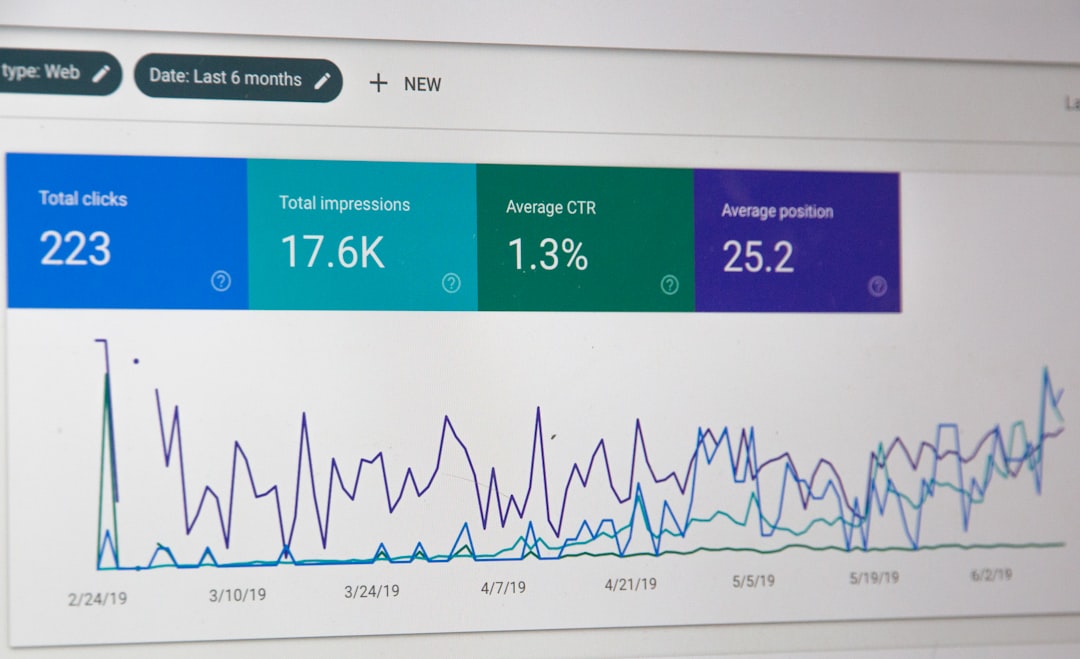
The analytics are not a perfect prediction of deal outcome, and they should not be treated as a substitute for direct conversation with the buyer. However, they provide useful context. A serious revenue team can combine Flowla engagement data with CRM stages, call notes, and forecast methodology to make better decisions about prioritization and next actions.
Sales Workspace Capabilities
The sales workspace is where Flowla’s value becomes most visible. A good workspace does more than store content; it creates a guided experience for the buyer. Flowla enables sellers to present a clear sequence: review the recap, watch the product overview, explore pricing, confirm stakeholders, complete legal review, and schedule the next meeting.
This structure matters because modern buyers often evaluate vendors asynchronously. They may not have time for repeated live meetings, but they still need access to accurate information. A well-built Flowla workspace gives them a reliable source of truth that they can revisit and share with colleagues.
Flowla’s workspace capabilities are useful in several sales situations:
- Post-discovery follow-up: Reps can summarize pain points, share relevant resources, and define next steps immediately after a discovery call.
- Proposal management: Pricing, scope, timelines, and supporting documents can be presented in a more organized way than a standard PDF attachment.
- Enterprise buying committees: Multiple stakeholders can access the same workspace, helping champions circulate information internally.
- Customer onboarding: After closing, teams can reuse the workspace concept to manage implementation tasks and customer education.
- Renewals and expansions: Account teams can use Flowla to present usage reviews, new proposals, success plans, and renewal milestones.
Ease of Use and Setup
Flowla appears to be designed with usability in mind. Templates reduce the time required to create new flows, while the workspace format is familiar enough for buyers who have used client portals, shared documents, or project management tools. The main learning curve is not technical; it is strategic. Teams need to decide what their ideal buyer journey should look like before building templates at scale.
For best results, sales leaders should avoid giving reps complete freedom to create inconsistent workspaces. A more reliable approach is to build a small library of approved templates, such as discovery follow-up, proposal room, security review, and onboarding plan. This keeps the buyer experience consistent while still allowing personalization.
Strengths of Flowla
Flowla’s main strength is its ability to bring structure to buyer collaboration. It helps sellers move from reactive follow-up to a more organized, guided sales experience. The combination of content, task management, and analytics makes it more useful than a simple file-sharing tool.
Another strong point is buyer visibility. When several stakeholders are involved, the seller can gain a better understanding of who is engaging and what content matters. This can help sales teams identify hidden influencers or detect when a champion is not effectively moving the deal internally.

Potential Limitations
Flowla is not a complete replacement for a CRM. Teams will still need a system like Salesforce, HubSpot, or another CRM for account records, opportunity management, forecasting, and reporting. Flowla is best understood as a buyer-facing layer that complements the CRM rather than replaces it.
There is also a risk of overcomplicating workspaces. If a seller adds too many steps, documents, or tasks, the buyer may feel overwhelmed. The best Flowla experiences are concise, relevant, and clearly organized around the buyer’s decision process.
Finally, successful adoption depends on sales discipline. If reps create flows but do not update them, review analytics, or use insights in follow-up conversations, the platform’s value will be limited.
Who Should Consider Flowla?
Flowla is a strong fit for B2B companies with consultative sales cycles, multi-stakeholder deals, or recurring customer onboarding processes. It is especially useful for sales teams that already invest in sales enablement content but lack a structured way to present that content to buyers.
Smaller teams may appreciate Flowla for improving professionalism and consistency, while larger teams may value the analytics and template standardization. The platform is less necessary for very transactional sales processes where purchases happen quickly and require little collaboration.
Final Verdict
Flowla is a serious and practical sales workspace platform for teams that want to improve how buyers experience the sales process. Its strongest capabilities are personalized deal rooms, mutual action plans, content organization, and engagement analytics. Used well, it can help sellers prioritize active opportunities, support internal champions, and reduce friction in complex buying journeys.
The platform will deliver the most value when paired with a clear sales methodology and integrated into daily selling habits. For organizations that struggle with scattered follow-ups, unclear next steps, or limited visibility into buyer engagement, Flowla is worth evaluating as a modern layer for buyer collaboration and deal execution.