
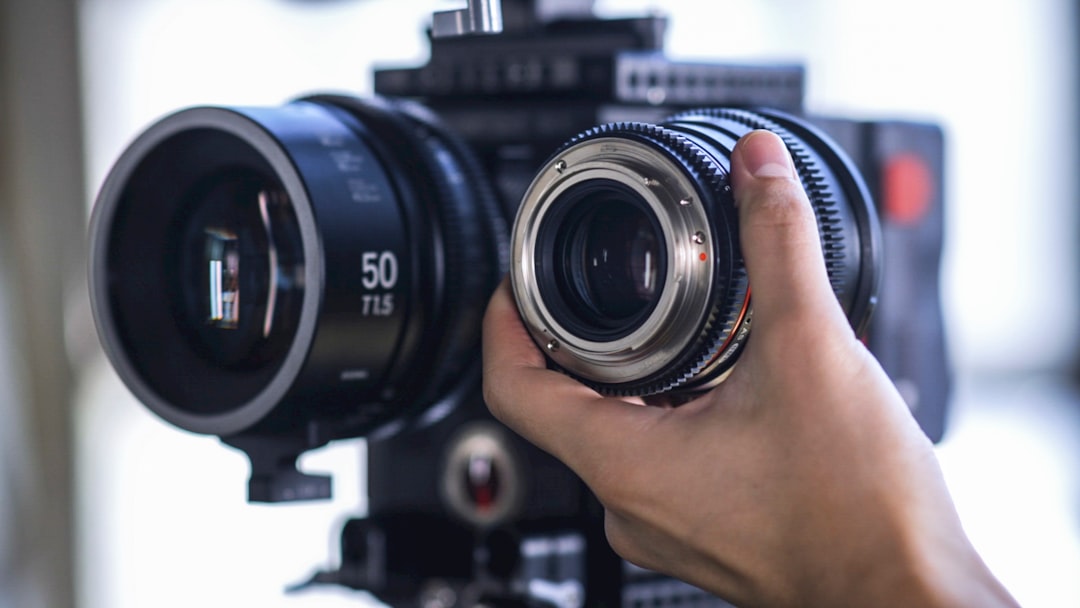
4:3 4K means a 4K-class image shaped in the older, taller 4:3 frame, usually for open gate capture, anamorphic workflows, reframing, or archival-style video. It gives productions more vertical space than standard 16:9 4K, which makes it useful when a project needs flexible crops for cinema, social media, visual effects, or multiple delivery formats.
TLDR: 4:3 4K is not one fixed resolution, but a 4K-width image with a 4:3 shape, such as 4096 × 3072 or 3840 × 2880. A production can shoot in 4:3 4K, then crop to 16:9, 1.85:1, 2.39:1, or vertical formats with less quality loss. For example, a marketing team shooting one interview in 3840 × 2880 can export a 3840 × 2160 YouTube version and a 2160 × 2700 vertical ad from the same take. That can cut reshoot time by 30% or more on small commercial jobs.
What 4:3 4K Actually Means
The term 4:3 4K combines two ideas: aspect ratio and resolution. The aspect ratio describes the shape of the image. A 4:3 frame is four units wide and three units tall. It is taller and more square than 16:9, which is the common shape for modern TV, YouTube, and most monitors.
The “4K” part refers to the approximate horizontal pixel count. In professional cinema, 4K is often linked to 4096 pixels wide. In consumer video, UHD 4K is usually 3840 pixels wide. So a 4:3 4K image may be:
- 4096 × 3072 for a DCI-style 4:3 frame
- 3840 × 2880 for a UHD-width 4:3 frame
- 4000 × 3000 on some camera sensors or photo-derived modes
That taller frame carries more vertical information than normal 16:9 4K. A 3840 × 2160 image has about 8.3 million pixels. A 3840 × 2880 image has about 11.1 million pixels. That is roughly 33% more pixel area, mostly in height.
Why 4:3 Still Matters in 4K Production
At first glance, 4:3 can feel old. It recalls early television, silent films, academy ratio cinema, and home video. Yet modern video production has found new uses for it.
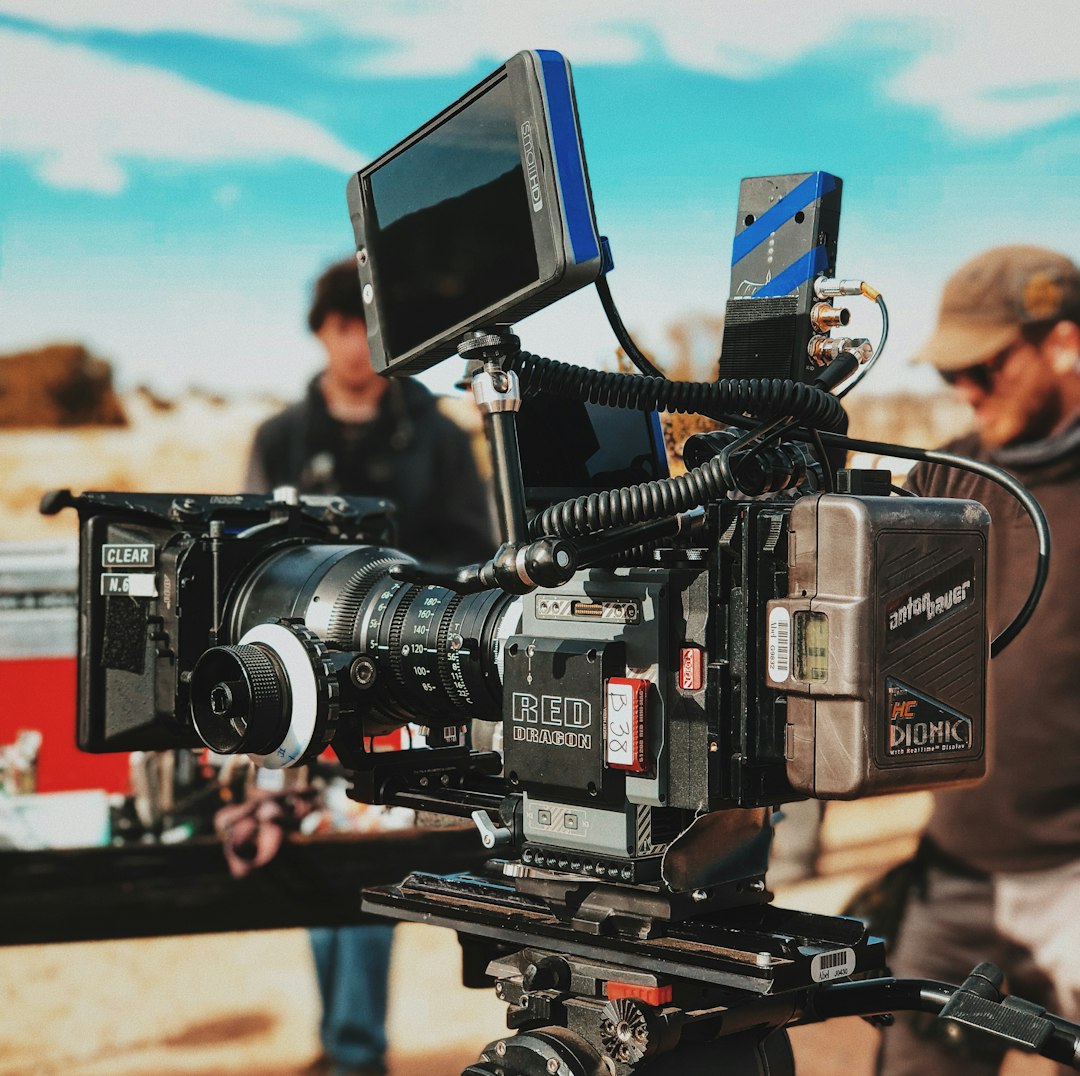
The biggest reason is flexibility. A taller 4:3 capture lets editors crop later without losing the main subject. That helps when one shoot must supply several versions: widescreen, square, vertical, and cinema scope. The catch is that some editing software hides the crop tools under several panels, and a simple safe-frame check can take 20 seconds longer than it should.
4:3 4K also pairs well with anamorphic lenses. Many anamorphic lenses squeeze a wide image onto a taller sensor area. When the footage is desqueezed, it becomes much wider, often close to 2.39:1 or another cinematic ratio. A 4:3 sensor area can use the lens image more efficiently than a short 16:9 frame.
Common 4:3 4K Camera Formats
Camera makers use different names for 4:3 or near-4:3 recording modes. Some call them open gate. Others list them as anamorphic modes, full sensor modes, or 4:3 recording. The exact pixel count depends on the sensor.
Common examples include:
- Open gate cinema cameras: These read a taller area of the sensor, giving editors more room for reframing and stabilization.
- Micro Four Thirds cameras: Some models offer 4:3 anamorphic modes near 4K or higher, often used with compact anamorphic lenses.
- Large format cinema cameras: Models from ARRI, RED, Sony, Blackmagic, and Panasonic may offer taller sensor readouts for anamorphic or full-height capture.
- Hybrid photo video cameras: Some use photo-shaped sensors, such as 3:2 or 4:3, and can record video from a taller area than 16:9.
Not every 4:3 mode is actually 4K. Some are 3.5K, 5K, 6K, or higher. The idea is the same, though. The production captures a taller master image, then shapes it later.
How Cropping Works from 4:3 4K
Cropping is where 4:3 4K earns its keep. A 4096 × 3072 frame can be cropped into several formats while keeping strong resolution.
- 16:9 crop: 4096 × 2304, suitable for UHD-style delivery after scaling.
- 1.85:1 crop: about 4096 × 2214, close to common theatrical framing.
- 2.39:1 crop: about 4096 × 1714, used for wide cinema scope.
- 1:1 crop: 3072 × 3072, useful for square social posts.
- 9:16 crop: about 1728 × 3072, useful for vertical platforms.
This does not mean every crop will look good automatically. Operators still need proper framing. Safe guides help. A subject placed too close to the edge may work in 4:3 but fail in vertical or scope crops. Honestly, it feels like camera monitors should make multi-ratio guides easier to read, because tiny grey lines on a busy background can ruin a shot.
4:3 4K and Anamorphic Video
Anamorphic shooting is one of the strongest uses for 4:3 4K. An anamorphic lens squeezes the image horizontally. Common squeeze factors include 1.33x, 1.5x, 1.8x, and 2x. During editing, the image is stretched back to its intended width.
For example, a 4096 × 3072 image shot with a 2x anamorphic lens becomes visually equivalent to 8192 × 3072 before final cropping or scaling. That creates a very wide frame. Productions may then finish in 2.39:1, 2.66:1, or another wide ratio.
The benefit is not only width. Anamorphic lenses can create oval bokeh, horizontal flares, softer edges, and a distinct cinema character. But they also bring problems. Focus can be harder. Lens breathing may show. Desqueeze settings can be wrong in camera, in the monitor, or in the edit. Expect to waste time on a bad preview setting if the crew does not test the full chain before the shoot.
Where 4:3 4K Is Used
Music videos often use 4:3 4K for style. The frame feels intimate and a bit retro. At the same time, 4K detail keeps the image clean and modern.
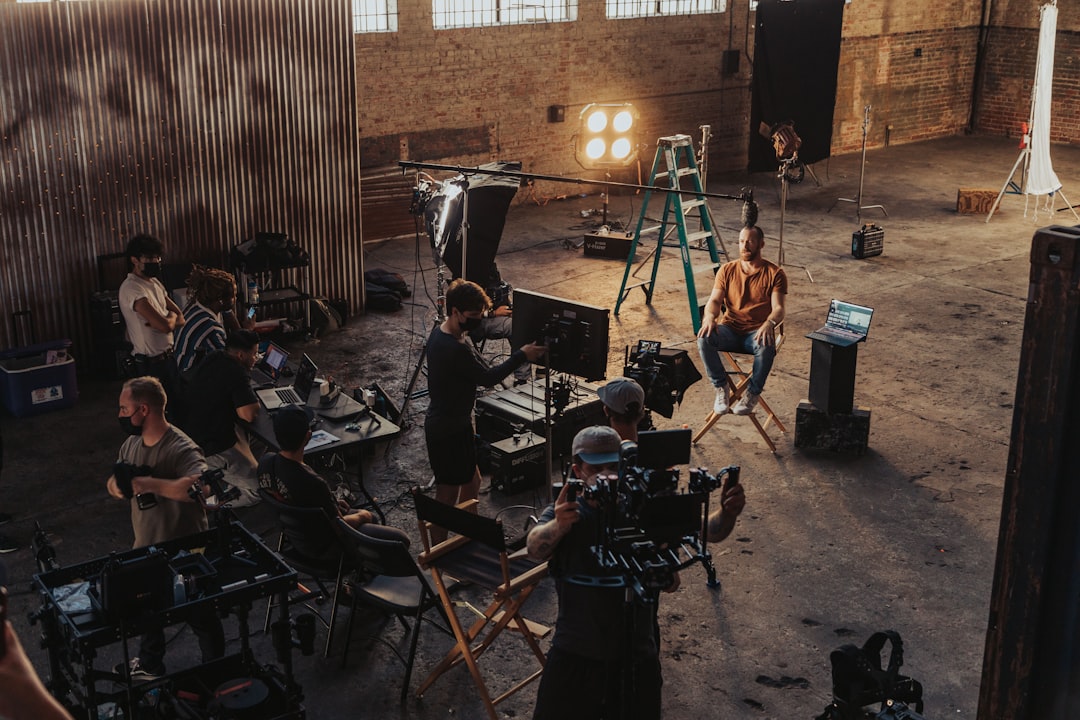
Commercial shoots use it for multi-format delivery. A brand may need a 16:9 web ad, a 1:1 feed version, and a 9:16 story version. Shooting taller helps one setup serve all three.
Documentaries may use 4:3 to match archive footage. The frame can sit well beside older TV clips, news footage, or family videos.
Visual effects work benefits from extra image area. Stabilization, tracking, and digital pans need spare pixels. A taller source gives post-production more room before quality drops.
Virtual production and LED wall work may also use taller capture when final framing is undecided. The director can protect several aspect ratios during the same take.
Pros and Tradeoffs
The main upside is simple: more image area. 4:3 4K gives editors room to crop, stabilize, and reframe. It can reduce reshoots. It also supports anamorphic lenses better than many 16:9 modes.
The tradeoffs are real. File sizes may rise. Some cameras reduce frame rates in taller modes. Rolling shutter can get worse if the sensor scan is slower. Monitoring can be confusing. External recorders may not support every mode. Post-production teams also need to confirm pixel aspect ratio, desqueeze settings, and delivery specs.
Storage planning matters. If a normal 16:9 4K codec records at 400 Mbps, a taller 4:3 mode with 33% more pixels may need much more data to keep similar quality. Compression settings vary, but crews should not assume the same card time.
Best Practices for Shooting 4:3 4K
- Use frame guides: Show 16:9, 1:1, 9:16, and final cinema crops on the monitor.
- Record a framing chart: This helps editors confirm the intended crop later.
- Test desqueeze settings: Anamorphic projects need correct preview and export settings.
- Protect headroom: The taller frame tempts operators to place faces too high or too low.
- Check delivery resolution: The master may be 4:3 4K, but the final file may be UHD, DCI 4K, HD, square, or vertical.
FAQ
Is 4:3 4K the same as 3840 × 2160?
No. 3840 × 2160 is 16:9 UHD. A 4:3 version with the same width would be 3840 × 2880.
Is 4096 × 3072 true 4K?
Yes, it is a 4K-class 4:3 resolution. It has a DCI-style 4096-pixel width and a 4:3 height.
Why do anamorphic lenses often use 4:3 modes?
They squeeze a wide image into a taller recording area. A 4:3 frame gives the lens more vertical sensor space to fill.
Can 4:3 4K be uploaded to YouTube?
Yes. YouTube can display 4:3 video, but many creators crop or export a 16:9 version for standard viewing.
Is 4:3 4K good for social media?
Yes, especially when one shoot must create square, vertical, and widescreen edits. The taller frame gives editors more cropping options.
Does 4:3 4K always look better than 16:9 4K?
No. It only helps when the extra height is used well. Poor lighting, weak composition, or bad focus will still hurt the final image.