
Brand24 is the better choice for serious brand mention monitoring, while Google Alerts is best for basic, free web tracking. If you only need occasional notices when your company name appears in indexed articles or blog posts, Google Alerts can be enough. If you need social mentions, sentiment, reach estimates, reports, and faster reaction time, Brand24 is much stronger.
TLDR: Google Alerts is free and simple, but it often misses social posts, forum chatter, and time-sensitive mentions. Brand24 is paid, but it gives a fuller view of who is talking about your brand, where they mention it, and whether the tone is positive or negative. For example, a small ecommerce brand might receive 14 Google Alerts in a week, while Brand24 finds 180 mentions across X, TikTok, Reddit, blogs, and review sites. If one angry post gets 25,000 estimated reach, Brand24 helps you catch it before it turns into a customer support mess.
Google Alerts vs Brand24: The Short Version
Google Alerts and Brand24 both help you monitor brand mentions, but they are built for very different jobs. Google Alerts is a lightweight notification tool. Brand24 is a full media monitoring platform.
Google Alerts checks Google’s index for matching keywords. You type in your brand name, choose a source type, set a frequency, and get email updates. It is easy. It is free. It takes about two minutes to set up.
Brand24 does more. It tracks mentions across social media, news, blogs, forums, videos, podcasts, and review-style sources. It also adds analytics, sentiment analysis, influencer scores, reach estimates, and reporting tools. That makes it more useful for marketing teams, PR teams, founders, agencies, and customer support groups.
What Google Alerts Does Well
Google Alerts still has value. It is not fancy, but it is convenient. For solo creators, early-stage startups, local businesses, and students, it can be a decent first step.
- It is free. No subscription, no trial limits, no budget approval.
- It is fast to create. Add a keyword, select settings, and you are done.
- It works well for indexed web content. News articles, blog posts, and some public pages can appear in your inbox.
- It supports multiple alerts. You can track a brand name, founder name, product name, or competitor name.
- It can use search operators. Quotes and minus signs can help reduce noise.
For example, a bakery in Austin could set alerts for “Sugar Fox Bakery”, “Sugar Fox cupcakes”, and “best bakery Austin”. If a local blog writes a review, Google Alerts may send an email. For small brand tracking, that is useful.
Where Google Alerts Falls Short
The catch is that Google Alerts feels incomplete when you need reliable monitoring. It can be slow. It can miss mentions. It can send odd results that barely match your keyword. Worse, it does not give you enough context to act quickly.
It drives me crazy that a mention can appear in search results before it ever shows up in an alert email. For reputation monitoring, that delay matters. A negative comment can spread on social channels in hours, not days.
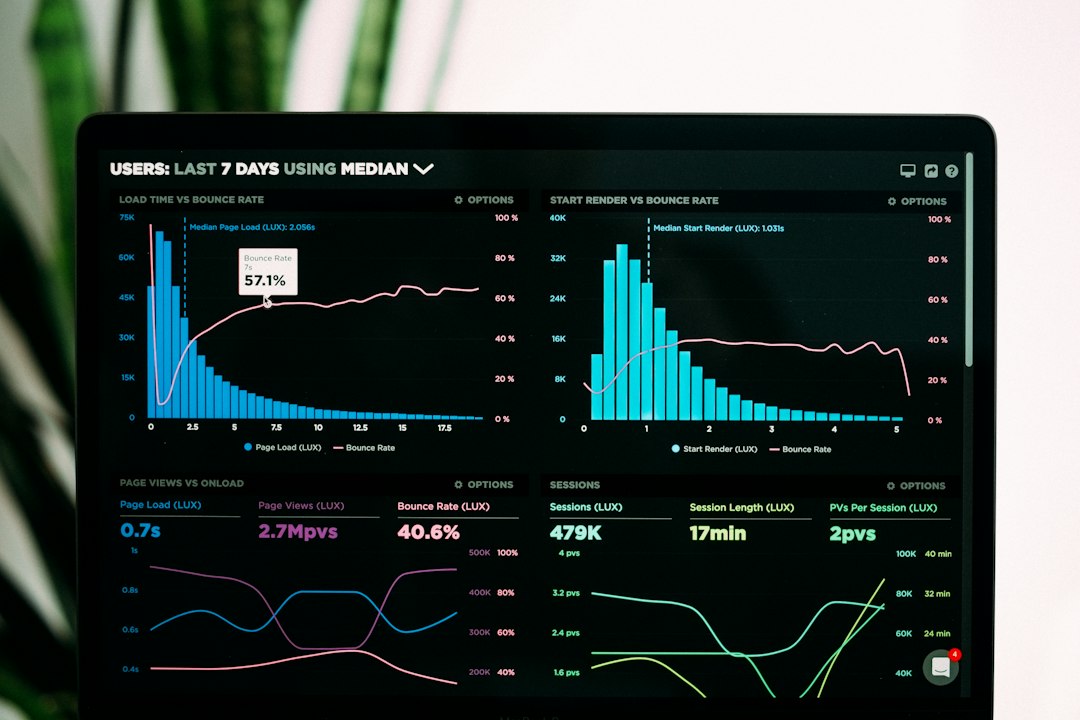
Google Alerts also lacks proper analytics. You do not get sentiment scores. You do not get mention volume charts. You do not get source breakdowns. You do not get estimated reach. You get links in an email. That is fine for casual tracking, but thin for brand management.
- No strong social media tracking: Mentions on X, Instagram, TikTok, Facebook, LinkedIn, and Reddit are often missed or delayed.
- No sentiment analysis: You must read everything yourself to judge tone.
- No team workflow: No assigning mentions, tagging threads, or adding notes.
- No built-in reports: You need spreadsheets if you want weekly or monthly summaries.
- No reach data: You cannot quickly see which mentions matter most.
What Brand24 Does Better
Brand24 is built for people who need to know what is being said right now. It tracks brand mentions across many source types and turns them into usable data. You can see spikes, sort by importance, filter sources, and spot negative mentions before they spread too far.
The biggest win is context. A mention is not just a mention. Brand24 can show where it came from, how many people it may reach, whether the tone seems positive or negative, and who posted it. That changes how you respond.
Say a software company launches a new feature. Google Alerts might catch three blog posts about it. Brand24 might show 420 mentions in 48 hours, including 62 negative comments about a bug, 37 positive posts from power users, and one YouTube review driving 18% of total estimated reach. That is a real signal, not just a pile of links.
Feature Comparison
| Feature | Google Alerts | Brand24 |
|---|---|---|
| Price | Free | Paid plans |
| Setup | Very simple | Simple, with more settings |
| Social media tracking | Limited | Much broader |
| Sentiment analysis | No | Yes |
| Reports | No built-in reports | Yes |
| Influencer identification | No | Yes |
| Best for | Basic web alerts | Brand, PR, and social monitoring |
When Google Alerts Is Enough
Use Google Alerts if your needs are basic. It works well when your brand is small, your risk is low, and you do not need detailed reporting.
Google Alerts is a good fit if you want to:
- Track occasional blog or news mentions.
- Monitor your personal name.
- Watch competitor names at a basic level.
- Find backlinks or article mentions from time to time.
- Spend nothing on monitoring tools.
It is also useful as a backup tool. Even if you use Brand24, keeping a few Google Alerts can give you another source of notifications. Just do not treat it as complete coverage.
When Brand24 Makes More Sense
Brand24 makes sense when mentions affect revenue, reputation, or support workload. If customers complain publicly, if journalists cover your industry, or if creators talk about your product, you need more than email alerts.
Brand24 is a better fit if you need to:
- Respond to negative mentions quickly. Catch complaints before they get more attention.
- Measure campaign impact. Track volume, reach, and engagement after launches.
- Find brand advocates. Spot happy customers, creators, and niche experts.
- Monitor competitors. See where competing brands get praised or criticized.
- Create reports. Share clear results with clients, managers, or investors.
Expect to waste time on manual sorting if you try to make Google Alerts do this job. You will copy links into sheets, guess sentiment by hand, and miss social conversations that never hit your inbox.

Which Tool Gives Better Brand Protection?
For brand protection, Brand24 wins. Speed and coverage matter. So does prioritization. A random low-traffic blog post does not need the same urgency as a viral complaint from a customer with 80,000 followers.
Brand24 helps separate noise from risk. You can filter by sentiment, source, reach, date, and keyword. You can also watch for sudden spikes in mention volume. A spike may mean a campaign is working. It may also mean something broke.
Google Alerts cannot give that view. It gives fragments. Sometimes those fragments are helpful. Sometimes they arrive late. Sometimes they never arrive at all.
Pricing and Value
Google Alerts wins on price because it costs nothing. That is hard to beat. But free is not always cheap if missed mentions cost you customers.
Brand24 requires a subscription, so the value depends on your risk and volume. If you get only two mentions per month, a paid platform may be too much. If you get hundreds of mentions, run campaigns, manage clients, or work in a sensitive industry, the cost can be easy to justify.
A practical way to decide is to run both for two weeks. Track the same brand terms. Count the useful mentions. Check response time. Compare how many social, forum, news, and blog mentions each tool finds. The gap is usually clear.
Final Verdict
Choose Google Alerts if you want free, simple, basic web mention tracking. It is good for light monitoring and early brand awareness.
Choose Brand24 if you need complete brand mention monitoring, social listening, sentiment data, reach estimates, and reports. It is the stronger Google Alerts alternative for teams that care about speed, context, and action.
The best setup for many brands is simple: use Brand24 as the main monitoring tool and keep Google Alerts as a free backup. That gives you broader coverage without giving up the convenience of email alerts.