
Global Entry is better for most frequent flyers, because it includes TSA PreCheck and also speeds up your return to the U.S. after international trips. TSA PreCheck is still great if you only fly inside the United States. For airport security, TSA says about 99% of TSA PreCheck passengers wait less than 10 minutes [source: TSA].
TLDR: Pick Global Entry if you take even one or two international trips over five years. Pick TSA PreCheck if you only fly domestic and want the easiest signup. Example: if you fly 10 round trips a year, PreCheck could save you 30 to 60 minutes per trip at security, which adds up fast. If two of those trips are abroad, Global Entry can also save you a painful passport line after landing.
Global Entry vs TSA PreCheck: The quick answer
Think of these programs like airport cheat codes.
TSA PreCheck helps you before your flight. You get a faster security lane at many U.S. airports. You can keep your shoes on. Your laptop can stay in your bag. Your belt can stay on. Tiny joy.
Global Entry helps you after an international flight. You use a kiosk or the Global Entry app when you return to the U.S. It also includes TSA PreCheck. That last part matters.
So, for frequent flyers, Global Entry usually wins. It does more. It costs a bit more. But the extra value is strong.

What is TSA PreCheck?
TSA PreCheck is a trusted traveler program run by the U.S. government. It is built for airport security.
With PreCheck, you get access to special security lanes. These lanes are often shorter. They are also less annoying.
You usually do not need to remove:
- Shoes
- Belts
- Light jackets
- Laptops from bags
- Travel size liquids from bags
That may sound small. It is not. If you fly often, the normal security shuffle gets old fast. Shoes off. Laptop out. Bag open. Bin missing. Someone forgets a water bottle. Chaos.
PreCheck cuts a lot of that noise.
What is Global Entry?
Global Entry is also a trusted traveler program. It is run by U.S. Customs and Border Protection.
It is made for travelers entering the United States from another country. Instead of standing in the regular passport control line, you use Global Entry processing. In many places, that means a kiosk, a photo check, or the mobile app.
It drives me crazy that a long flight can end with a slow passport line. You land tired. Your phone is at 8%. Your neck hurts. Then you see 300 people ahead of you. Global Entry can turn that mess into a quick stop.
The big bonus is simple. Global Entry includes TSA PreCheck.
That means you get help at both ends of a trip. Faster security before departure. Faster entry after an international return.
Costs and membership length
Both programs last five years.
- TSA PreCheck: usually costs less.
- Global Entry: costs more, but includes TSA PreCheck.
Fees can change. Some enrollment providers also charge different amounts. Still, the price gap is usually not huge when spread over five years.
Let’s make it simple. If Global Entry costs about $40 more than TSA PreCheck, that is about $8 per year. That is less than one airport sandwich. And airport sandwiches are somehow $17 now. Rude.
Which one saves more time?
It depends on how you fly.
TSA PreCheck saves time more often if you fly domestic a lot. You can use it on many trips inside the U.S. It is helpful on Monday morning business flights. It is helpful on Friday family trips. It is helpful when the regular line looks like a theme park ride with no fun ending.
Global Entry saves bigger chunks of time after international flights. The regular customs line can be short. It can also be brutal. If three wide-body jets land at once, good luck.
Here is a rough way to think about it:
- Domestic traveler: TSA PreCheck may save 5 to 20 minutes per airport visit.
- International traveler: Global Entry may save 15 to 60 minutes after returning to the U.S.
- Very frequent flyer: Global Entry gives the best mix because it covers both cases.
Signup process: which is easier?
TSA PreCheck is usually easier to get.
You apply online. Then you visit an enrollment center. The appointment is often quick. They check your documents. They take fingerprints. Then you wait for approval.
Global Entry is a little more work.
You apply online. You wait for conditional approval. Then you need an interview. This can be the annoying part. Some airports have limited interview slots. Honestly, it feels like trying to grab concert tickets, except the prize is a shorter customs line.
There is a workaround. It is called Enrollment on Arrival. If you are conditionally approved, you may be able to finish your interview when you land from an international trip at select airports. This can be very handy.
Who should get TSA PreCheck?
Choose TSA PreCheck if this sounds like you:
- You mostly fly within the U.S.
- You want the simplest signup process.
- You do not have a passport.
- You rarely travel abroad.
- You want a cheaper option.
PreCheck is perfect for domestic road warriors. Sales reps. Consultants. Remote workers. Parents flying with kids. Anyone who hates taking off shoes in public. Which is, frankly, most of us.
Who should get Global Entry?
Choose Global Entry if this sounds like you:
- You travel outside the U.S. at least once every year or two.
- You already have a passport.
- You want TSA PreCheck included.
- You hate waiting at immigration after long flights.
- You use airports with Global Entry lanes or kiosks often.
Global Entry is the better pick for international flyers. Even casual international travelers can benefit. One long customs line can make the higher fee feel worth it.
What about credit card fee credits?
This is where things get fun.
Many travel credit cards offer a statement credit for TSA PreCheck or Global Entry. This means the card may pay the application fee for you. Some cards refresh this benefit every four or five years.
If your card covers Global Entry, pick Global Entry. No drama. You get both programs for the price of “thank you, credit card.”
Just check your card terms first. Some cards cover both. Some cover only certain programs. Some require you to pay with that card.
Family travel matters
Families should think carefully.
TSA PreCheck rules for kids can vary by age. Younger children may be able to go through the PreCheck lane with an eligible parent. Older kids may need their own membership.
Global Entry is stricter. Each person needs their own Global Entry membership. Yes, even children. Yes, even babies. A baby cannot use a kiosk alone, of course. But the baby still needs approval. Travel paperwork is undefeated.
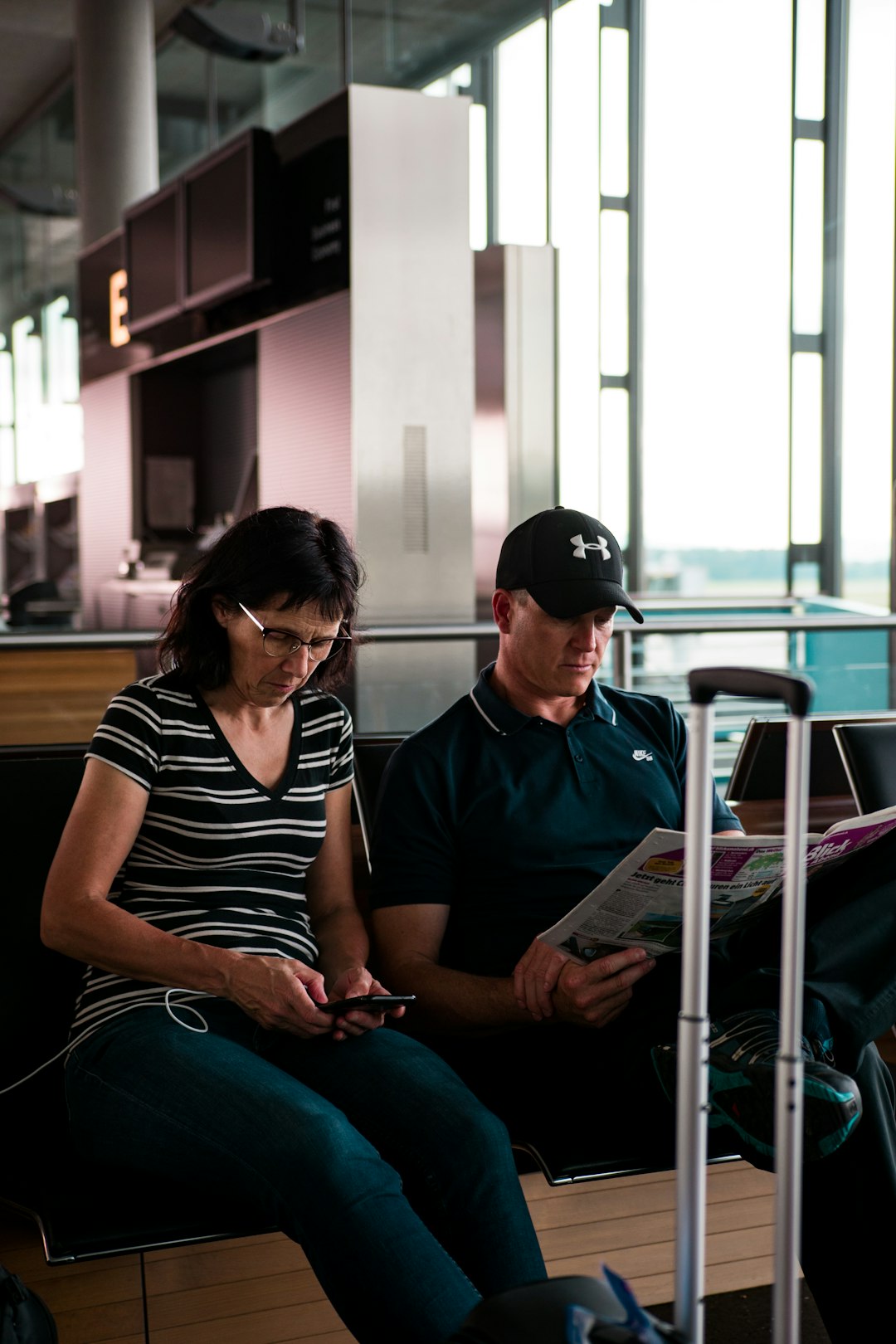
The simple decision chart
- Fly domestic only? Get TSA PreCheck.
- Fly international sometimes? Get Global Entry.
- Have a credit card that pays the fee? Get Global Entry.
- Need approval as fast as possible? TSA PreCheck may be easier.
- Hate customs lines more than anything? Global Entry. No contest.
Final verdict for frequent flyers
Global Entry is the better trusted traveler program for most frequent flyers. It includes TSA PreCheck. It helps on international returns. It gives you more coverage for five years.
TSA PreCheck is still a great choice for domestic travelers. It is simpler. It is often cheaper. It fixes the most common airport pain point: security.
But if you have a passport and may leave the country even once or twice, Global Entry is the smarter buy. Future you will be tired, jet-lagged, and very thankful.