
IPv6 is the long-term fix for the internet’s address shortage, while IPv4 is the older system we still depend on every day. IPv4 uses 32-bit addresses and supports about 4.3 billion unique addresses. IPv6 uses 128-bit addresses and supports a number so large it is hard to picture: about 340 undecillion. Google’s public IPv6 statistics often show global IPv6 adoption above 45%, which means this is no longer a future-only topic [source: Google].
TLDR: IPv4 addresses look like 192.168.1.1, while IPv6 addresses look like 2001:db8:85a3::8a2e:370:7334. IPv6 exists because IPv4 ran out of room, especially with phones, smart TVs, sensors, and cloud servers needing addresses. A business with 500 employees may have thousands of connected devices, so IPv6 gives it cleaner growth without squeezing everything behind shared IPv4 addresses. The catch is that older tools and networks may still need IPv4 support, which can make setup more annoying than it should be.
1. Address size: IPv4 is small, IPv6 is massive
The biggest difference is address space. IPv4 uses 32 bits, which creates around 4.3 billion possible addresses. That sounded huge decades ago. Then laptops, phones, routers, cameras, game consoles, cars, and cloud services showed up. Suddenly, not so huge.
IPv6 uses 128 bits. That gives enough addresses for each device to have its own public address, and then some. This matters for growth. It also reduces the need for tricks like Network Address Translation, or NAT, which lets many devices share one public IPv4 address.
2. Address format: IPv4 is easier to read, IPv6 is built for scale
IPv4 addresses are short and familiar. They use four decimal numbers separated by dots. For example:
- IPv4: 203.0.113.10
- IPv6: 2001:db8:0:1234:0:567:8:1
IPv6 looks strange at first. It uses hexadecimal characters and colons. It can also shorten long sections of zeros with a double colon, such as 2001:db8::1. Honestly, it feels like someone made the address harder to type just when we needed fewer mistakes. Still, computers handle it well, and the format gives networks far more room to grow.
3. Compatibility: IPv4 and IPv6 do not talk directly
This is where many people get tripped up. IPv4 and IPv6 are not directly compatible. An IPv4-only device cannot reach an IPv6-only service without help. The same is true in reverse.
That help usually comes in three forms:
- Dual stack: A device or network runs IPv4 and IPv6 at the same time.
- Tunneling: IPv6 traffic is carried through an IPv4 network.
- Translation: A gateway converts traffic between IPv4 and IPv6.
Dual stack is common because it keeps old systems working while allowing IPv6 access. The downside is that teams must manage two systems. Expect to waste time checking which version is failing when a site loads slowly on one network but not another.
4. Configuration: IPv6 can make device setup smoother
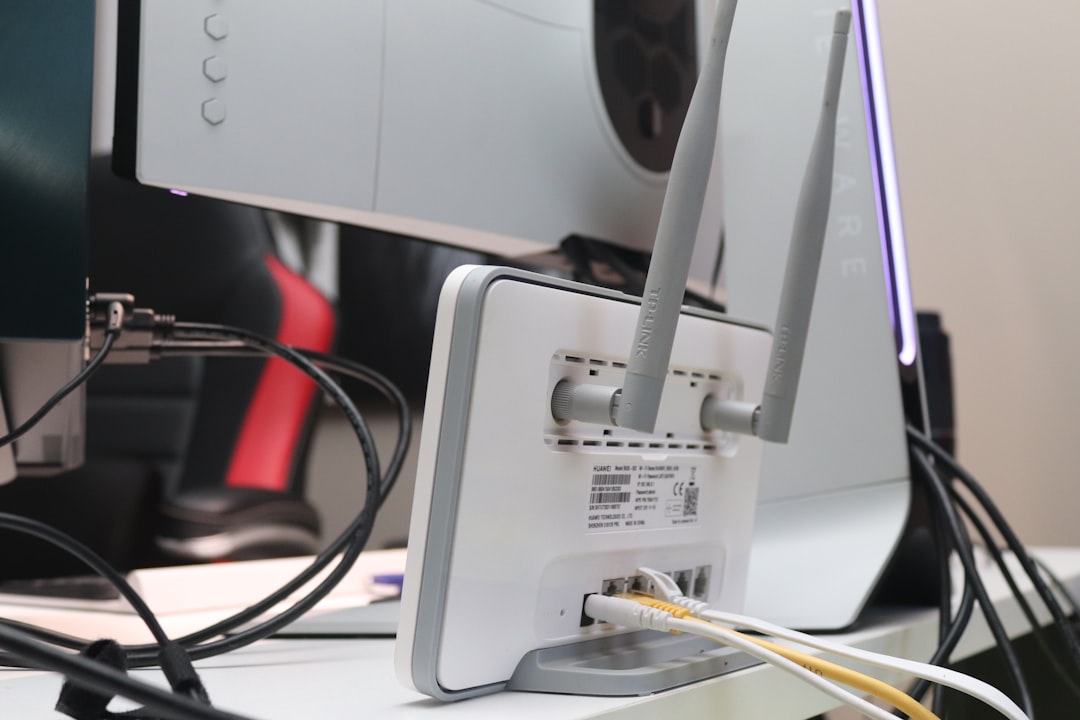
IPv4 networks often rely on DHCP to assign addresses. That works fine. Most people never think about it. IPv6 can also use DHCPv6, but it adds another option called Stateless Address Autoconfiguration, or SLAAC.
With SLAAC, a device can create its own IPv6 address after hearing basic information from the router. This can simplify large networks. It is useful in offices, schools, factories, and smart buildings where devices come and go all day.
IPv6 also avoids some ugly IPv4 habits. Many IPv4 networks use private addresses like 192.168.x.x behind NAT. That keeps things working, but it can complicate gaming, video calls, remote access, and some business apps. IPv6 was designed to reduce that mess by giving devices more direct address options.
5. Uses: IPv4 is everywhere, IPv6 is better for growth
IPv4 is still used almost everywhere. Many home routers, business networks, hosting systems, and older devices support it by default. If you run a small website, office printer, or old security camera, IPv4 may still be part of your setup.
IPv6 is the better fit for modern scale. It works well for mobile carriers, cloud platforms, internet providers, large companies, and IoT networks with thousands or millions of devices. IPv6 can also improve routing efficiency because networks can be grouped in cleaner ways.
That does not mean IPv6 is magically faster. Speed depends on routing, provider support, equipment, and configuration. In some cases, IPv6 performs better. In other cases, IPv4 wins by a little. The real value is not raw speed. It is address capacity, cleaner growth, and less dependence on shared public IPv4 addresses.
Quick comparison
- Address length: IPv4 uses 32 bits. IPv6 uses 128 bits.
- Readable example: IPv4 is shorter. IPv6 is longer but more flexible.
- Compatibility: They need dual stack, tunnels, or translation to work together.
- Setup: IPv6 can auto-configure more easily in many networks.
- Best use: IPv4 supports older systems. IPv6 supports growth and huge device counts.
The practical answer is simple: do not think of IPv6 as a replacement you install in one afternoon. Think of it as the system the internet is slowly moving toward. Keep IPv4 where you need compatibility. Add IPv6 where you need scale, cleaner addressing, and better support for the next wave of connected devices.