
The iPhone 16 Pro arrives with a familiar Apple promise: better photos, more flexible video, and fewer moments where you need to think about settings. Rather than reinventing the smartphone camera, Apple has refined the experience with a stronger sensor lineup, faster capture controls, smarter processing, and video features that feel genuinely useful for creators.
TLDR: The iPhone 16 Pro is one of the most reliable camera phones available, especially for users who shoot both photos and video. Its upgraded ultra wide camera, excellent main sensor, and 5x telephoto lens make it more versatile than previous Pro models. Video performance is class-leading, with impressive stabilization, rich color, and powerful 4K slow-motion options. It is not perfect in every scene, but it is extremely consistent.
Camera Hardware: A More Balanced Pro System
The iPhone 16 Pro features a triple-camera setup built around a 48MP Fusion main camera, a 48MP ultra wide camera, and a 12MP 5x telephoto camera. The biggest practical improvement is that the smaller Pro model now feels much closer to the Pro Max in optical reach, because the 5x telephoto is no longer reserved for the largest iPhone.
The main camera remains the star of the system. It captures images quickly, focuses with confidence, and produces clean results in a range of lighting conditions. Apple’s processing tends to prioritize a natural-looking image rather than a heavily sharpened or overly saturated one, though HDR can still be assertive when dealing with bright skies and deep shadows.
The upgraded ultra wide camera is more meaningful than it may sound on paper. Ultra wide lenses on phones often suffer from soft corners, noise, and reduced detail, especially indoors. On the iPhone 16 Pro, ultra wide shots look sharper and more usable, making this lens feel less like a backup and more like a proper creative option.
Photo Quality: Consistency Is the Main Strength
In daylight, the iPhone 16 Pro produces excellent images with strong dynamic range, accurate exposure, and appealing color. Skin tones are one of Apple’s strengths, and the phone generally avoids pushing faces into unnatural warmth or excessive smoothing. Details are crisp without looking too artificial, especially when shooting with the main camera.
The default shooting mode uses pixel binning to create balanced, sharp images without forcing users to manage huge files. However, photographers who want more flexibility can use higher-resolution capture modes and ProRAW. This is where the phone becomes more than a point-and-shoot device. ProRAW files offer more room to adjust highlights, shadows, white balance, and color in editing apps.
The 5x telephoto lens is useful for portraits, travel, architecture, pets, and candid street scenes. It compresses perspective nicely and lets you isolate subjects without standing uncomfortably close. In good light, the results are impressive. In dim light, the phone may switch to a crop from the main sensor depending on conditions, which can reduce the true optical advantage. Still, having 5x zoom on the standard Pro body is a major win.
Portrait mode remains polished, though not flawless. Edge detection around hair, glasses, and complex backgrounds has improved over the years, but it can still make mistakes. The good news is that the iPhone often captures depth information automatically, allowing you to apply or adjust portrait blur after taking a shot. This makes casual portrait photography far more forgiving.
Low Light and Night Mode
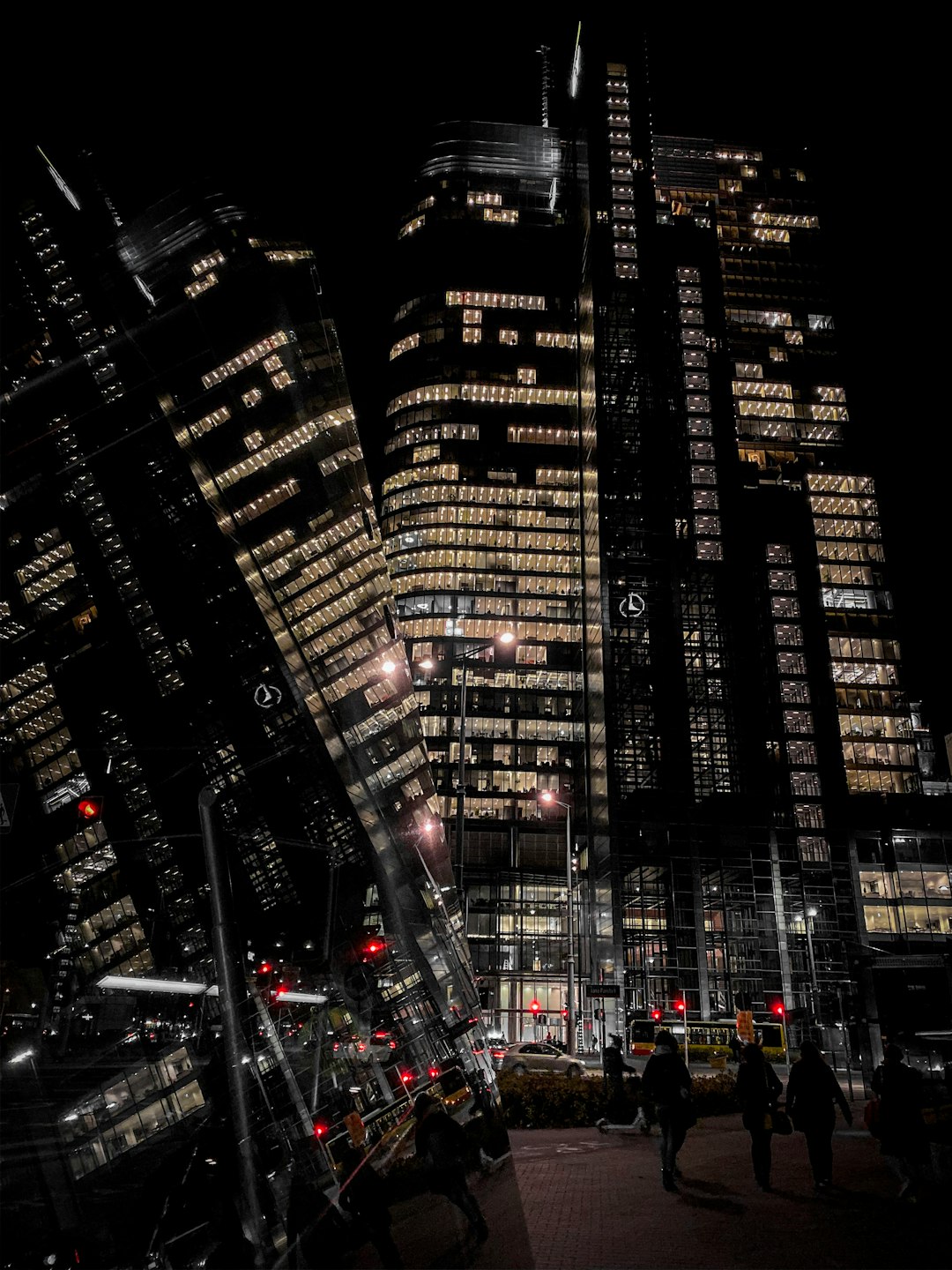
Low-light performance is strong across the main camera and noticeably better on the ultra wide than before. The main camera captures bright, detailed night scenes while keeping noise under control. Apple’s Night mode usually avoids turning night into day, which is good for atmosphere. Lamps, signs, and city lights generally retain their glow without becoming completely blown out.
That said, the iPhone 16 Pro is still a small-sensor camera system. Very dark scenes can look slightly processed, with softened textures and occasional watercolor-like detail in shadows. Moving subjects in low light remain challenging, as Night mode requires longer exposure times. For still scenes, city walks, restaurants, and evening portraits, it performs very well.
Camera Control: Useful, But It Takes Practice
One of the signature additions is Camera Control, a physical touch-sensitive button designed to launch the camera, take photos, and adjust settings such as zoom or exposure. On paper, it gives the iPhone a more camera-like feel. In practice, it is useful once you build the habit.
Quick access to the camera is genuinely convenient, especially for spontaneous moments. The touch gestures can feel sensitive at first, and some users may need time to avoid accidental adjustments. Still, for people who shoot often, Camera Control adds a sense of immediacy that the touchscreen alone does not always provide.
Video Performance: Still the Benchmark
If there is one area where the iPhone 16 Pro truly shines, it is video. Apple has long led the smartphone market in video consistency, and this model strengthens that reputation. Footage looks stable, detailed, and color-rich, with smooth exposure transitions and excellent autofocus.
The headline feature is 4K video at up to 120 frames per second, including Dolby Vision support. This allows for high-quality slow-motion footage that looks cinematic rather than gimmicky. Whether filming sports, pets, water, dancing, or handheld travel clips, the extra frame rate gives creators more flexibility in editing.
Stabilization is excellent. Walking shots look impressively smooth, and Action mode remains useful for more intense movement, though it works best in good lighting. Autofocus tracking is also dependable, smoothly shifting between subjects without the obvious hunting seen on some phones.
Color and dynamic range are major strengths. The iPhone 16 Pro handles bright skies, backlit subjects, and indoor lighting changes with confidence. Dolby Vision HDR footage can look stunning on compatible displays, with bright highlights and deep contrast. For creators who prefer more control, Apple Log and external recording options make the phone a serious tool for mobile filmmaking.
Audio and Creator Features
Video is not only about the image. The iPhone 16 Pro also improves the recording experience with enhanced audio tools, including options designed to make voices clearer and background noise easier to manage. The Audio Mix features are especially interesting, letting users adjust the feel of recorded sound after capture.
This will not replace dedicated microphones for professional work, but it is valuable for vloggers, journalists, social media creators, and families recording events. Combined with the strong video image, these audio improvements make the iPhone 16 Pro one of the best all-in-one capture devices you can carry in a pocket.
Where It Falls Short
The iPhone 16 Pro camera is excellent, but not untouchable. Some competing phones offer longer zoom ranges, more aggressive night photography, or manual camera controls that appeal to enthusiasts. Apple’s image processing can occasionally make HDR scenes look slightly flat, and lens flare can still appear when shooting directly toward strong lights.
The 5x telephoto is useful, but there is a gap between the main camera and 5x where digital zoom has to do the work. Results at intermediate zoom levels are good, but not always as clean as a dedicated optical lens would be. Also, Pro features such as ProRAW, Log video, and high-frame-rate 4K can consume storage quickly, so buyers should think carefully before choosing the base storage option.
Verdict: A Powerful Camera for Almost Everyone
The iPhone 16 Pro is not just a small upgrade; it is a more complete camera system, especially because of the improved ultra wide camera, 5x telephoto lens, Camera Control, and advanced video capabilities. It delivers the kind of reliability that matters in daily use: fast launch, accurate focus, natural color, strong HDR, and excellent stabilization.
For casual users, it makes great photos and videos easy. For enthusiasts, it offers enough depth through ProRAW, Log recording, and high-resolution capture to support more serious creative work. For video-first creators, it remains one of the safest and strongest choices on the market.
In short, the iPhone 16 Pro camera is not perfect, but it is exceptionally dependable. It is a camera system built less around flashy tricks and more around making sure the shot you want is the shot you actually get.