

Goals often begin as hopeful statements: grow revenue, improve productivity, learn a new skill, or deliver better customer service. However, when those intentions are not measurable, teams and individuals may struggle to understand whether real progress is happening. Creating measurable goals matters because it turns ambition into evidence, action, and accountability.
TLDR: Measurable goals help organizations and individuals define success clearly, track progress, and make better decisions. For example, a sales team that changes its goal from “increase sales” to “increase monthly sales by 15% within six months” gains a clear target, timeline, and performance benchmark. In one practical scenario, a customer support team aiming to reduce response time from 12 hours to 6 hours can monitor weekly averages and adjust staffing before service quality declines.
Why Measurable Goals Matter
A measurable goal provides a clear answer to a simple question: “How will success be recognized?” Without measurable criteria, progress becomes subjective. One manager may believe a campaign performed well because engagement “felt higher,” while another may see the same campaign as disappointing because revenue did not increase.
When goals include numbers, deadlines, frequencies, or defined outcomes, they create a shared understanding. This is especially important in workplaces where multiple departments contribute to the same result. Marketing, sales, operations, and leadership can align more effectively when each team understands the indicators being tracked.
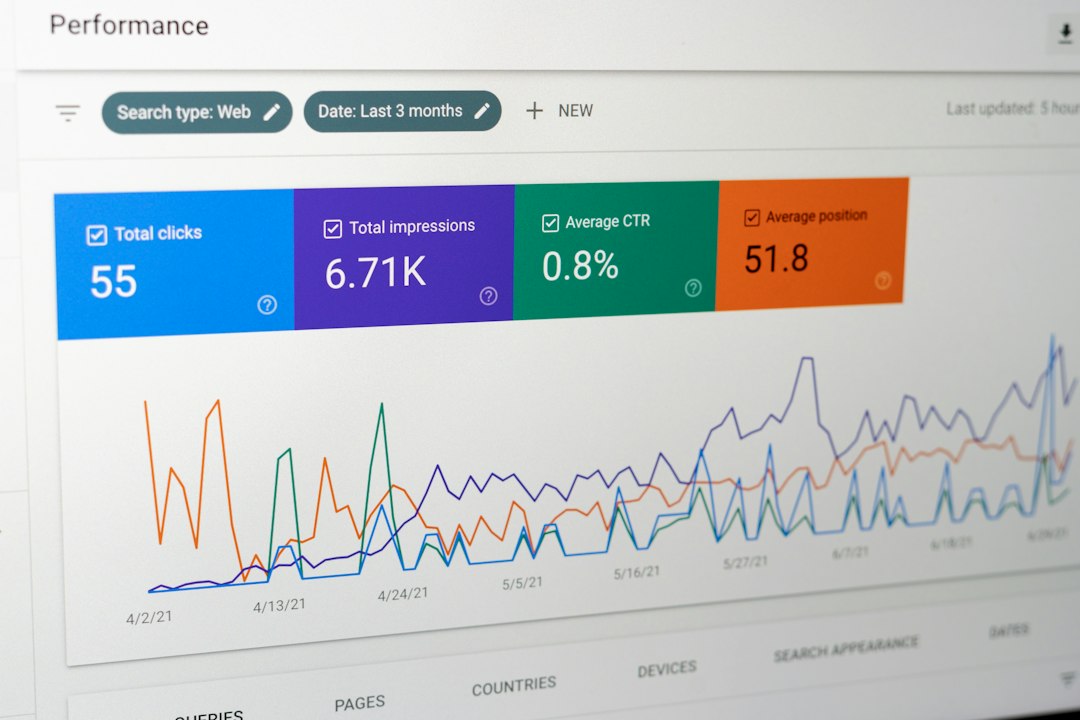
Key Benefits of Creating Measurable Goals
- Improved focus: Measurable goals help people prioritize the tasks that contribute most directly to the desired outcome.
- Better accountability: Clear metrics make it easier to identify who is responsible for progress and what actions are expected.
- Higher motivation: Visible progress can encourage continued effort, especially when milestones are reached along the way.
- Stronger decision-making: Data allows leaders to adjust strategies based on evidence rather than assumptions.
- More accurate performance reviews: Measurable goals give managers and employees a fairer basis for evaluating results.
For example, a content team with the goal of “publish more articles” may produce inconsistent output. If the goal becomes “publish eight search-optimized articles per month and increase organic traffic by 20% within one quarter,” the team gains a specific production target and a measurable business outcome.
The Role of SMART Goals
One of the most widely used methods for creating measurable goals is the SMART framework. SMART goals are:
- Specific: The goal clearly states what needs to be achieved.
- Measurable: The goal includes a way to track progress or results.
- Achievable: The goal is realistic based on available resources and constraints.
- Relevant: The goal supports broader priorities or strategic objectives.
- Time-bound: The goal includes a deadline or defined time period.
This framework helps transform broad intentions into structured plans. It also reduces confusion because every goal must answer what will happen, how success will be measured, why it matters, and when it should be completed.
SMART Goal Examples
Measurable goals can be applied across many areas, from business growth to employee development and personal productivity. The following examples show how vague goals can be improved using SMART criteria.
Business Growth
- Vague goal: Increase company revenue.
- SMART goal: Increase quarterly revenue by 12% within the next six months by launching two new service packages and improving lead conversion rates.
Marketing
- Vague goal: Get more social media engagement.
- SMART goal: Increase average Instagram engagement rate from 2.5% to 4% within 90 days by posting five times per week and testing three content formats.
Customer Service
- Vague goal: Improve customer satisfaction.
- SMART goal: Raise customer satisfaction scores from 82% to 90% within four months by reducing first-response time and creating a follow-up process for unresolved tickets.

Employee Development
- Vague goal: Become a better team leader.
- SMART goal: Complete a leadership training course, hold biweekly one-on-one meetings with direct reports, and improve employee feedback scores by 10% within six months.
Personal Productivity
- Vague goal: Manage time better.
- SMART goal: Reduce daily meeting time by 20% over the next eight weeks by setting agendas, limiting recurring meetings, and tracking hours spent in meetings each Friday.
Best Practices for Setting Measurable Goals
Creating measurable goals is not only about adding numbers. Effective goal-setting requires thoughtful planning, realistic expectations, and regular review. The following best practices can help improve goal quality and completion rates.
- Start with the desired outcome: Before choosing metrics, the organization or individual should identify the result that truly matters. A goal should connect to a meaningful business or personal priority.
- Choose the right metric: Not every number is useful. A team may track website visits, but if the real objective is sales growth, conversion rate and qualified leads may be more relevant.
- Set a realistic baseline: Current performance should be reviewed before setting a target. If a company currently closes 50 deals per month, a goal of 500 deals next month may be unrealistic without major changes.
- Break large goals into milestones: Long-term goals become easier to manage when divided into weekly, monthly, or quarterly checkpoints.
- Assign ownership: Every measurable goal should have a person, team, or department responsible for tracking and reporting progress.
- Review progress regularly: A goal should not be created and forgotten. Regular reviews allow teams to identify obstacles early and adjust tactics.
- Document results: Recording outcomes helps future planning. It shows what worked, what failed, and what should be improved next time.
Common Mistakes to Avoid
Even well-intentioned goals can fail when they are poorly structured. One common mistake is tracking too many metrics at once. When every number seems important, teams may lose sight of the main objective. Another mistake is setting goals that are measurable but not meaningful, such as increasing email sends without considering open rates, click rates, or revenue impact.
Goals can also become ineffective when they are too easy or too ambitious. A goal that requires no effort may not inspire growth, while an unrealistic target can damage morale. The most effective measurable goals usually create a productive challenge: difficult enough to require commitment, but realistic enough to maintain confidence.

How Measurable Goals Support Long-Term Success
Measurable goals create a learning system. Each completed goal produces information that can guide the next decision. If a campaign increases leads by 18% but generates low-quality prospects, the next goal may focus on lead quality rather than lead volume. If a training program improves productivity by 10%, leadership may choose to expand it to other departments.
Over time, measurable goals build a culture of clarity. Teams become more comfortable discussing results, identifying gaps, and improving processes. Instead of relying on vague statements such as “things are going well” or “performance needs improvement,” they can use evidence to understand what is happening and what should happen next.
FAQ
What is a measurable goal?
A measurable goal is a goal that includes clear criteria for tracking progress and determining success. It often includes numbers, percentages, deadlines, quantities, or defined outcomes.
Why are measurable goals important?
Measurable goals are important because they provide clarity, accountability, and direction. They help individuals and teams understand whether their actions are producing the intended results.
What is an example of a measurable goal?
An example is: “Increase monthly newsletter sign-ups by 25% within three months by adding website pop-ups, improving landing page copy, and promoting the newsletter on social media.”
How often should measurable goals be reviewed?
The review frequency depends on the goal. Weekly reviews may work well for short-term operational goals, while monthly or quarterly reviews may be better for strategic goals.
Can personal goals be measurable?
Yes. Personal goals can be measurable by adding clear targets, such as saving a specific amount of money, exercising a certain number of days per week, or completing a course by a set date.