
Quiz newsletters are a smart way to turn passive subscribers into active participants. Instead of simply reading an update, your audience gets to click, guess, compare results, and often share what they discovered. The best quiz newsletter ideas combine entertainment with usefulness: they teach something, reveal a preference, recommend a product, or help readers understand themselves better.
TLDR: A great quiz newsletter should be short, visually clear, and tied to a result your reader actually wants. For example, a skincare brand could send a “What’s Your Winter Skin Type?” quiz and recommend three products based on the answer. In one simple user case, a weekly quiz email sent to 10,000 subscribers with a 35% open rate and 18% click rate could drive 630 quiz completions from a single campaign. Use quizzes to segment your audience, increase engagement, and make your newsletter feel more personal.
Why Quiz Newsletters Work So Well
People enjoy quizzes because they offer instant interaction and a small reward: an answer, score, personality type, recommendation, or insight. In a crowded inbox, that sense of curiosity can be powerful. A subject line like “Can You Guess This Week’s Marketing Trend?” or “Which Travel Style Matches Your Personality?” feels more dynamic than a standard announcement.
Quiz newsletters also help brands collect valuable audience data without making the experience feel like a survey. If someone answers questions about their budget, goals, preferences, or challenges, you can use that information to send more relevant content later. That means better segmentation, stronger personalization, and potentially higher conversion rates.
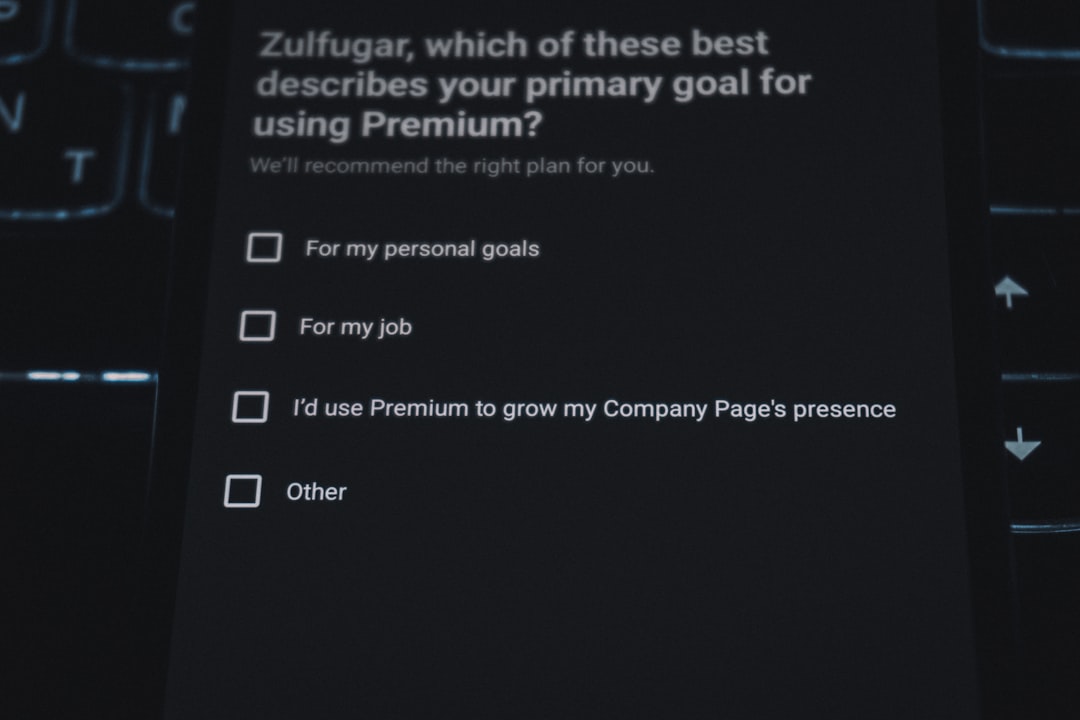
1. Personality Quiz Newsletter
Personality quizzes are among the most shareable formats because they feel personal and fun. Readers are not just answering questions; they are discovering something about themselves. This format works especially well for lifestyle, fashion, wellness, travel, education, and career newsletters.
Ideas to try:
- “What Type of Entrepreneur Are You?”
- “Which Home Decor Style Matches Your Personality?”
- “What Is Your Learning Style?”
- “Which Productivity Method Fits Your Workday?”
To make this quiz effective, keep the questions light and the results useful. Instead of giving generic outcomes like “You are creative,” offer practical next steps such as recommended articles, products, courses, or habits.
2. Trivia Challenge Newsletter
A trivia quiz is perfect for newsletters that want regular engagement. It can be sent weekly, monthly, or as part of a themed campaign. Trivia works well for media brands, educational companies, sports communities, food blogs, history pages, and entertainment newsletters.
For example, a food newsletter might send “Can You Identify These Global Dishes?” while a finance newsletter could try “Do You Know These Money Myths?” The key is to match the difficulty level to your audience. If it is too easy, readers may lose interest; if it is too hard, they may abandon it.
Pro tip: Include a score-based result such as “Beginner,” “Sharp Thinker,” or “Expert.” This gives readers a reason to finish and compare their score.
3. Product Recommendation Quiz
If you sell products or services, a recommendation quiz can be one of the most valuable newsletter formats. It helps readers make decisions while guiding them toward relevant offers. This is especially useful for ecommerce, beauty, fitness, software, books, home goods, and subscription services.
A good product quiz should solve a clear problem. Instead of asking “What product do you want?”, ask questions that help identify the right fit. For example:
- What is your main goal?
- What is your experience level?
- What is your budget?
- How often will you use this?
- Which feature matters most to you?
At the end, provide a short explanation for the recommendation. Readers are more likely to trust the result when they understand why it was chosen.
4. “This or That” Quiz Newsletter
A “This or That” quiz is fast, simple, and highly clickable. It asks readers to choose between two options, making it ideal for mobile users with limited time. You can use this format to learn preferences, spark curiosity, or introduce new products.
Examples include:
- Coffee or tea?
- Beach vacation or mountain cabin?
- Minimalist design or bold colors?
- Morning workout or evening workout?
- Short articles or deep guides?
This format is especially useful when you want quick feedback. You can even show poll-style results in the next newsletter, such as “68% of readers chose mountain cabins over beach vacations.” That follow-up makes subscribers feel like part of a community.
5. Knowledge Check Newsletter
A knowledge check quiz is ideal for educational newsletters, onboarding sequences, professional communities, and training programs. It helps readers test what they know and identify where they need to improve.
For example, a marketing newsletter could send “How Well Do You Understand SEO Basics?” while a language learning newsletter might use “Can You Choose the Correct Spanish Phrase?” This type of quiz provides value because it teaches while engaging.
Best practice: After each answer, include a short explanation. Even if the reader gets the answer wrong, they should leave with new knowledge.
6. Seasonal Quiz Newsletter
Seasonal quizzes are timely, relevant, and easy to promote. They can be connected to holidays, annual trends, weather changes, shopping seasons, or cultural events. Because they feel current, they often perform well in email campaigns.
Seasonal quiz ideas:
- “What’s Your Holiday Hosting Style?”
- “Which Summer Destination Should You Visit?”
- “What Should Be on Your Back to School Checklist?”
- “Which Fall Recipe Matches Your Mood?”
- “Are You Ready for the New Year?”
Seasonal quizzes also give you a natural reason to recommend limited-time offers, themed guides, or curated collections.
7. Trend Prediction Quiz
A trend prediction quiz invites readers to guess what will happen next in your industry. This is a strong idea for business, fashion, technology, entertainment, finance, and social media newsletters. It positions your brand as current and encourages readers to think ahead.
You might ask questions like, “Which platform will grow fastest this year?” or “Which design trend will dominate next season?” After the quiz, share your own expert commentary. This turns a simple guessing game into a valuable insight piece.
8. Red Flag or Green Flag Quiz
This format is fun, modern, and useful for teaching judgment. Readers decide whether a situation, habit, product feature, or strategy is a “red flag” or “green flag.” It works well for career advice, dating content, business education, wellness, finance, and consumer awareness.
For example, a career newsletter could ask, “Red flag or green flag: a job posting with no salary range?” A cybersecurity newsletter could ask, “Red flag or green flag: an email asking you to reset your password immediately?”
This quiz type helps simplify complex topics into quick, memorable lessons.
How to Make Your Quiz Newsletter Better
Strong quiz newsletters are not just about good questions. They also need smart structure, clear design, and a reason to click. Keep your email short and focus on one main quiz. Too many options can weaken the call to action.
Use these tips to improve performance:
- Write curiosity-driven subject lines: Make readers want to know their result.
- Keep the quiz short: Five to seven questions is often enough.
- Make results useful: Add tips, product suggestions, or next steps.
- Use clear buttons: Try labels like “Start the Quiz” or “Find My Result.”
- Segment by answers: Send follow-up emails based on quiz outcomes.
- Share aggregate results: Let readers see how others responded.
Great Subject Line Examples
Your subject line can make or break the quiz campaign. The best options create a curiosity gap without feeling misleading.
- “What Type of Leader Are You?”
- “Can You Score 8 out of 10?”
- “Your Perfect Weekend Plan Is Hiding in This Quiz”
- “Which Product Is Right for You?”
- “Are You Making These Common Mistakes?”
For best results, test different subject lines. A more playful audience may respond to humor, while a professional audience may prefer practical value.
Final Thoughts
The best quiz newsletter ideas make subscribers feel involved rather than marketed to. Whether you use personality quizzes, trivia challenges, recommendation tools, or seasonal polls, the goal is to create a quick moment of interaction that leads to a meaningful result. When done well, quiz newsletters can increase clicks, reveal audience preferences, and make your email content more memorable.
Start with one simple quiz, measure the results, and refine from there. Over time, your quiz data can become one of the most useful tools for understanding what your subscribers want next.