
For everyday hardwood floor care, Bona is usually the safer pick, especially on modern polyurethane finished floors. It is water based, dries fast, and is made for routine floor cleaning without adding shine, oil, or waxy buildup. The National Wood Flooring Association recommends using products suggested by the flooring or finish maker and avoiding wet mopping hardwood floors [source: NWFA].
TLDR: Choose Bona Hardwood Floor Cleaner for most sealed hardwood floors because it is simple, low residue, and designed for frequent use. Use Murphy Oil Soap with more caution, since too much product or too much water can leave a dull film. For example, on a 500 square foot main floor, a spray mop routine may dry in about 5 to 10 minutes, while a bucket mop can leave floors damp for 20 minutes or more. If your floor already looks cloudy, stop adding cleaner and test a residue removal step first.
Bona vs Murphy Oil Soap: The Quick Difference
Bona is a ready to use hardwood floor cleaner. It is made for sealed wood floors and is often paired with a microfiber spray mop. You spray a small amount, wipe it up, and move on. No bucket. No mixing. No slippery puddles.
Murphy Oil Soap is a traditional wood cleaner. Many people grew up seeing it under the sink, so it feels familiar. It can work on finished wood when diluted correctly, but it is easier to overuse. That is where the trouble starts. Too much soap, too much water, or too many passes can leave residue that makes floors look tired instead of clean.
The catch is that hardwood floors do not forgive sloppy cleaning. They may look tough, but water and residue are not their friends.
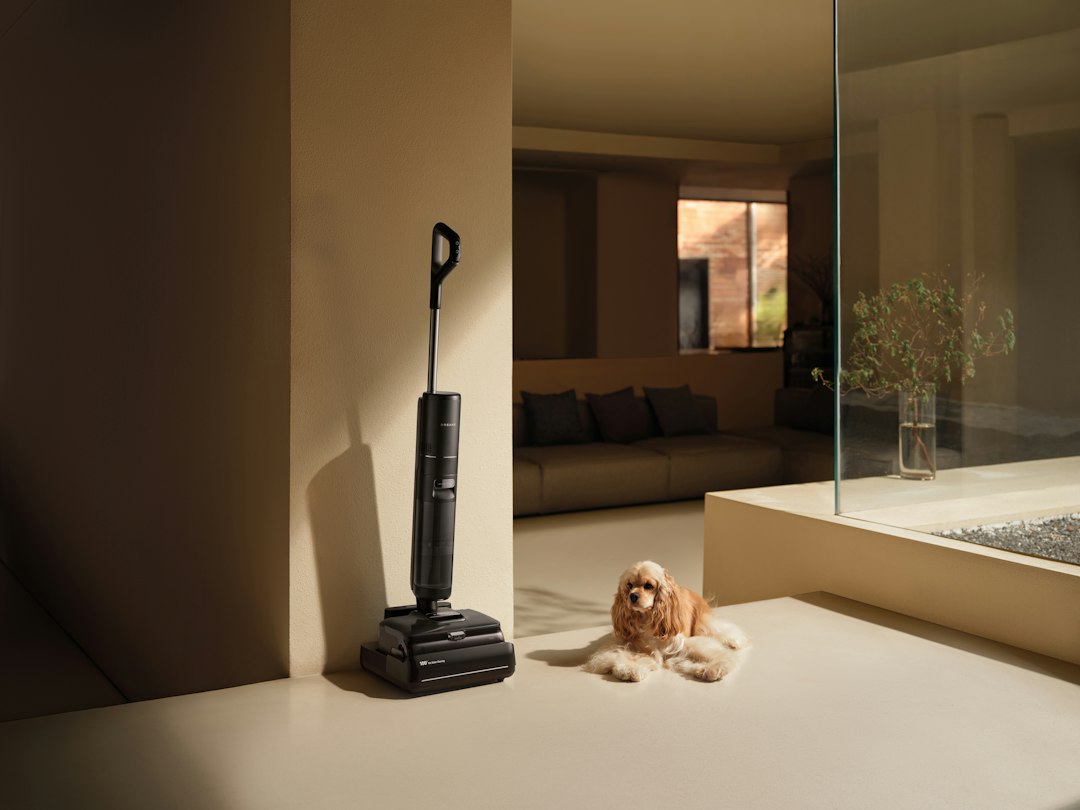
First, Know Your Finish
Before comparing cleaners, check what kind of floor you have. Most newer hardwood floors are protected with a surface finish, usually polyurethane. That means the cleaner is working on the finish, not directly on raw wood.
Older floors may have wax, oil, or shellac. These finishes need different care. If you use the wrong product, you can create haze, streaks, or sticky patches. Not fun. Expect to waste time fixing a cloudy floor if you guess wrong.
- Polyurethane finished floors: Bona is usually the better everyday option.
- Waxed floors: Avoid water based cleaners unless the floor maker approves them.
- Oil finished floors: Use a cleaner made for oil finished wood.
- Unknown finish: Test in a hidden spot before cleaning the whole room.
Why Bona Works Well for Daily Cleaning
Bona’s main strength is control. You use very little liquid, and the microfiber pad spreads it thinly. That matters because standing moisture can seep between boards. Even sealed floors have gaps.
For a normal home, Bona is best for:
- Dusty traffic paths
- Light kitchen splatter
- Pet paw prints
- Entryway dirt
- Quick weekly cleaning
It also does not try to “feed” the wood. That phrase sounds nice, but sealed floors do not need oil rubbed into them. The finish needs gentle cleaning. That is it.
Honestly, it feels like half of hardwood floor problems come from people trying too hard. More cleaner does not mean more clean. It often means streaks.
Where Murphy Oil Soap Fits
Murphy Oil Soap has a place, but it is not my first choice for repeated everyday cleaning on many modern floors. Used lightly and diluted properly, it can remove grime from finished wood. Used heavily, it may leave a film that attracts more dirt.
That film is the part people complain about. The floor looks clean while wet, then dries dull. So they clean again. More soap goes down. More residue builds up. It becomes a boring little cycle of frustration.
Murphy Oil Soap may make sense for:
- Occasional cleaning of older finished wood surfaces
- Wood trim and furniture, depending on finish
- Small spot cleaning when diluted with care
It is less ideal for:
- Weekly whole house mopping
- Floors that already look hazy
- Homes where people tend to use a soaking wet mop
- Matte or satin floors that show residue fast
Best Everyday Hardwood Floor Cleaning Routine
The best routine is simple. Remove grit first, then clean with minimal moisture. Grit acts like sandpaper under shoes. If you mop before dusting, you just drag fine dirt across the finish.
- Dry clean first. Use a microfiber dust mop or vacuum with a hard floor setting.
- Spot treat sticky messes. Spray cleaner on the cloth, not directly into floor gaps.
- Use a light mist. The floor should never look soaked.
- Mop with the grain. This helps reduce visible streaks.
- Let it dry fully. Keep pets and shoes off until the floor feels dry.
For most homes, this routine works well once a week. High traffic areas may need touch ups every few days. Bedrooms may only need full cleaning every two or three weeks.
Common Mistakes That Ruin the Results
Hardwood care is not hard, but a few habits can make floors look older than they are.
- Using too much cleaner: This creates streaks and dull patches.
- Mopping with a wet string mop: Too much water can swell boards or darken seams.
- Using steam mops: Heat and moisture can damage finishes and seams.
- Skipping dust removal: Dirt under a mop pad can scratch the finish.
- Using vinegar often: Vinegar is acidic and can dull some finishes over time.
- Adding polish too often: Polish can build up and make refinishing harder later.
If your floor feels tacky after cleaning, that is a warning sign. Stop using the cleaner for a bit. Rinse a microfiber pad in plain water, wring it until barely damp, and wipe a small test area. If the pad picks up residue, you may have buildup.
Which Cleaner Is Better for Pets and Kids?
For busy homes, Bona has the edge. It dries quickly and does not require a bucket of soapy water sitting around. That alone is useful if children or pets wander through the room three seconds after you finish. Because of course they do.
Murphy Oil Soap can still be used safely when diluted and wiped dry, but it asks for more care. If you have a dog that tracks in mud twice a day, you want a cleaner that is hard to mess up. Bona is more forgiving for that kind of routine.
What About Shine?
Cleaners and polishes are not the same thing. Bona Hardwood Floor Cleaner cleans. Murphy Oil Soap cleans. Neither should be used as a shortcut for restoring a worn finish.
If your floor looks dull because it is dirty, cleaning will help. If it looks dull because the finish is scratched or worn away, cleaner will not fix that. You may need a maintenance coat, screen and recoat, or full refinishing.
Be careful with shine products. Some leave acrylic layers that look good at first, then scuff unevenly. They can also complicate future refinishing. A clean satin floor often looks better than a glossy floor with sticky buildup.

Simple Buying Advice
Pick Bona Hardwood Floor Cleaner if you want a low fuss cleaner for sealed hardwood. It is the better choice for most weekly routines, especially with a microfiber spray mop.
Pick Murphy Oil Soap if you already know your floor tolerates it, you like a diluted cleaner, and you are careful with water. Use it sparingly. Do not pour it straight on the floor. Do not assume extra soap gives extra cleaning power.
Here is a practical rule:
- For maintenance cleaning: Bona.
- For occasional traditional wood cleaning: Murphy Oil Soap, diluted.
- For hazy floors: pause both and check for residue.
- For worn finish: call a floor professional instead of adding more product.
Final Verdict
Bona wins for everyday hardwood floor care because it is easier to use correctly. It limits water, dries fast, and suits the sealed hardwood floors found in many homes. Murphy Oil Soap is not useless, but it is easier to overapply and more likely to leave a film when used as a weekly mop solution.
If you want your hardwood floors to age well, keep the routine boring. Dust often. Clean lightly. Use less liquid than you think you need. Your floor will look better, and you will spend less time chasing streaks across the room.