

Email marketing has its own vocabulary, and one term that often causes confusion is “mailer.” Depending on the context, a mailer can mean the promotional email itself, the software used to send it, or even the person or business running the campaign. In practical terms, however, a mailer is best understood as a structured marketing email created and sent to a targeted audience with a specific goal, such as driving sales, sharing updates, or nurturing leads.
TLDR: A mailer in email marketing is a planned email message or campaign sent to subscribers to inform, persuade, or convert them. For example, an online store might send a holiday discount mailer to 10,000 subscribers and generate a 22% open rate, 4% click rate, and 180 purchases. A good mailer combines relevant content, clean design, strong timing, and a clear call to action. It is not just an email; it is a measurable marketing asset.
What Does “Mailer” Mean in Email Marketing?
In email marketing, a mailer usually refers to a marketing email sent to a list of contacts. It might be a newsletter, product announcement, promotional offer, welcome message, event invitation, or customer retention email. The word can also describe an email campaign as a whole, especially when marketers say things like, “We’re sending a mailer on Friday” or “The campaign mailer performed well.”
Unlike a personal email, a mailer is typically designed for many recipients at once. It often includes branded visuals, persuasive copy, tracking links, segmentation rules, and performance analytics. In other words, it is both a message and a marketing tool.
Common Types of Mailers
Mailers come in many forms, and each one serves a different purpose. Choosing the right type depends on your audience, business goals, and where the recipient is in the customer journey.
- Promotional mailers: These highlight discounts, limited-time offers, product launches, or special deals. Their main goal is usually sales.
- Newsletter mailers: These provide regular updates, blog highlights, industry news, tips, or curated resources to keep subscribers engaged.
- Welcome mailers: Sent after someone subscribes, signs up, or creates an account. They introduce the brand and set expectations.
- Transactional mailers: These include order confirmations, shipping updates, password resets, and receipts. Although functional, they can still support branding.
- Re engagement mailers: Designed to win back inactive subscribers with reminders, incentives, or personalized messages.
- Event mailers: Used to promote webinars, launches, conferences, store openings, or community events.
What Makes a Mailer Effective?
A successful mailer is not created by simply placing text and images into an email template. It is built around a clear strategy. Every element, from the subject line to the final button, should support one main objective.
The most effective mailers usually include:
- A compelling subject line: This is the first thing recipients see. It should create curiosity, urgency, or immediate relevance without feeling misleading.
- A clear preheader: The short preview text next to or below the subject line can improve open rates when used well.
- Relevant content: The message should match the recipient’s interests, behavior, or stage in the buying process.
- Strong visual hierarchy: Important information should stand out. Readers should be able to scan the email quickly.
- A focused call to action: A mailer should make the next step obvious, whether that is Shop Now, Read More, Register Today, or Claim Your Offer.
- Mobile friendly design: Since many emails are opened on phones, the layout should be easy to read and tap on small screens.
Mailer vs. Newsletter: Are They the Same?
The terms are sometimes used interchangeably, but they are not always the same. A newsletter is a type of mailer, but not every mailer is a newsletter. A newsletter is usually recurring and content focused. It may include updates, articles, stories, or educational material.
A mailer, on the other hand, is a broader term. It can be promotional, transactional, automated, seasonal, or educational. If a newsletter is like a magazine issue, a mailer is the entire category of messages that can include magazines, flyers, invitations, alerts, and offers.
Why Businesses Use Mailers
Mailers remain popular because email is direct, measurable, and cost efficient. Unlike social media posts, which can disappear quickly in a crowded feed, an email lands in a personal inbox. That does not guarantee attention, but it gives businesses a controlled channel for communication.
For example, a small fitness studio might send a weekly mailer to 2,500 subscribers. If 35% open it, that is 875 people reading or at least seeing the message. If 6% click the class booking link, the studio gets 52 potential bookings from one campaign. Even if only 15 people complete a purchase, the return can be significant compared with the low cost of sending the email.

Businesses use mailers to:
- Increase sales through offers and product recommendations.
- Build relationships by sharing useful or entertaining content.
- Educate customers about products, services, or industry trends.
- Recover lost revenue with abandoned cart or re engagement campaigns.
- Collect feedback through surveys, polls, or review requests.
- Keep a brand visible between purchases or interactions.
The Role of Segmentation and Personalization
One of the biggest advantages of email marketing is the ability to send different mailers to different groups of people. This is called segmentation. Instead of sending the same message to everyone, marketers can divide contacts by behavior, demographics, location, purchase history, or interests.
For instance, a clothing retailer could send one mailer about winter coats to customers in colder regions and another about lightweight jackets to customers in warmer areas. The content feels more relevant, which often leads to higher engagement.
Personalization goes a step further. It may include the recipient’s name, product recommendations based on browsing history, birthday offers, or reminders about items left in a cart. The goal is to make the message feel less like a mass email and more like a timely, useful suggestion.
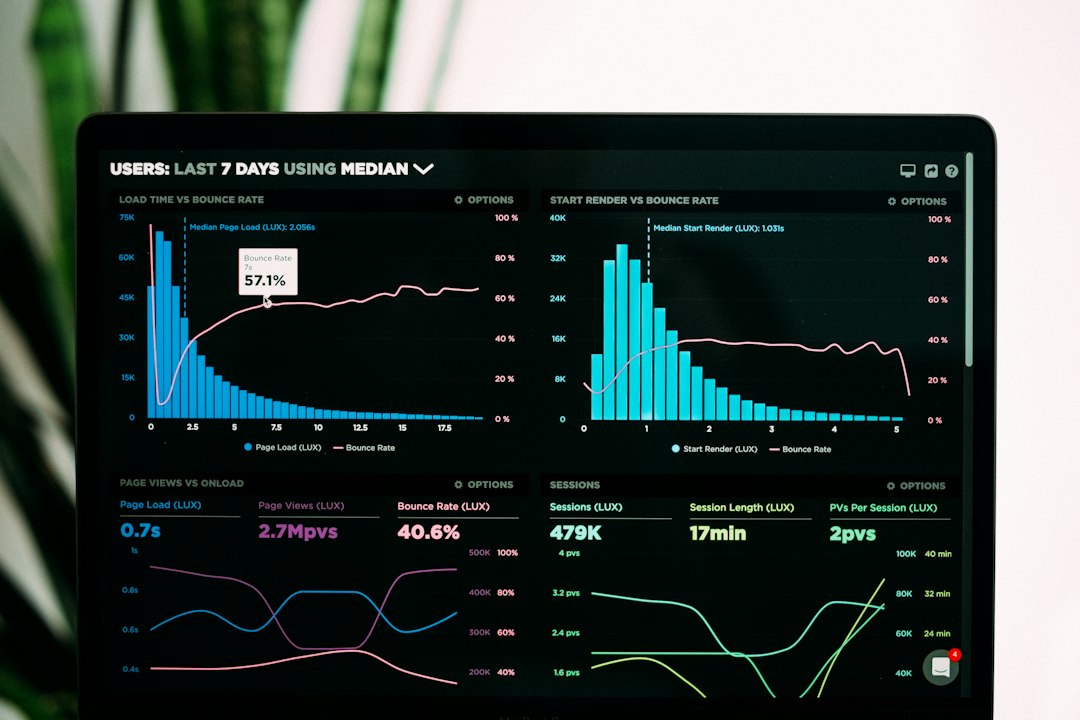
How Mailer Performance Is Measured
A major benefit of using mailers is that performance can be tracked. Marketers do not have to guess whether an email worked; they can study the data and improve future campaigns.
Important mailer metrics include:
- Open rate: The percentage of recipients who opened the email.
- Click through rate: The percentage of recipients who clicked a link inside the email.
- Conversion rate: The percentage of recipients who completed the desired action, such as making a purchase or signing up.
- Bounce rate: The percentage of emails that could not be delivered.
- Unsubscribe rate: The percentage of people who opted out after receiving the mailer.
- Revenue per email: The amount of income generated compared with the number of messages sent.
These numbers help marketers understand what subscribers care about. A high open rate but low click rate may mean the subject line worked, but the content or offer did not. A high unsubscribe rate may suggest the message was irrelevant, too frequent, or poorly targeted.
Best Practices for Creating a Mailer
A good mailer respects the reader’s time. It should be clear, useful, and easy to act on. Before sending one, marketers should ask: Who is this for? What do we want them to do? Why should they care?
Here are a few best practices:
- Keep the message focused. One main idea is usually stronger than five competing announcements.
- Use simple, persuasive language. Avoid cluttered copy and unnecessary jargon.
- Make the design scannable. Use headings, short paragraphs, spacing, and buttons.
- Test before sending. Check links, images, spelling, mobile display, and inbox previews.
- Respect consent. Send emails only to people who have opted in, and make unsubscribing easy.
- Experiment regularly. A/B test subject lines, calls to action, layouts, and sending times.
Final Thoughts
A mailer in email marketing is much more than a digital flyer. It is a carefully planned communication designed to reach the right people with the right message at the right time. Whether it announces a sale, welcomes a new subscriber, shares expert advice, or brings back inactive customers, a mailer can play a powerful role in building relationships and generating revenue.
The best mailers feel relevant, timely, and easy to understand. They combine strategy with creativity, data with empathy, and design with purpose. When done well, a mailer does not just land in an inbox; it earns attention, encourages action, and strengthens the connection between a brand and its audience.