

To improve brand visibility in AI answer engines, build your brand as a clear, verifiable entity that machines can recognize, trust, and cite. Generative search does not reward vague popularity alone. It rewards consistency, proof, topical authority, and repeated confirmation from credible sources. If your brand facts are scattered, thin, or hard to verify, AI systems may skip you even when your product is a strong fit.
TLDR: AI answer engines favor brands that are easy to understand, easy to confirm, and strongly tied to a topic. A B2B analytics startup, for example, could increase AI answer mentions from 3% to 18% across 100 tracked prompts by cleaning up entity data, publishing comparison pages, earning expert citations, and adding schema. The goal is not to “trick” AI search. The goal is to make your brand the obvious answer when users ask high intent questions.
Why entity authority matters in generative search
Traditional SEO often starts with pages and keywords. Generative search starts with entities. An entity can be a company, product, founder, category, location, report, or concept. AI systems try to understand how those entities relate to each other.
For example, an answer engine may connect:
- Your brand with a product category.
- Your product with use cases and customer types.
- Your experts with published opinions, interviews, and research.
- Your claims with reviews, data, citations, and third party mentions.
If those connections are weak, the model hesitates. If they are strong, repeated, and supported across the open web, your brand becomes easier to include in answers.
The practical framework: six steps to stronger AI visibility
1. Define your entity home base
Start with your own site. AI systems need a clean source of truth. Your homepage, About page, product pages, author pages, and contact page should describe your brand in consistent language.
Do not make the model guess what you do. Say it plainly. Include:
- Your official brand name.
- Your product or service category.
- Your target audience.
- Your core use cases.
- Your locations, if relevant.
- Founders, leadership, and expert contributors.
- A short, repeatable brand description.
For example, “Acme Insights is a customer analytics platform for subscription businesses” is better than “Acme helps teams unlock growth through smarter intelligence.” The first sentence teaches machines. The second sounds polished but says almost nothing.
2. Make your facts machine readable
Beautiful copy is not enough. Add structured data so search engines and AI systems can parse your brand with less friction.
Use schema markup where appropriate:
- Organization schema for company identity.
- Product schema for product details and features.
- Person schema for founders and authors.
- Article schema for editorial content.
- FAQ schema for common buying questions.
- Review or AggregateRating schema when valid and compliant.
Honestly, it feels like some CMS plugins make this harder than it should be. You change one field, wait 12 seconds for the page builder to respond, then find the schema did not update. Still, the work matters. Clean structured data helps reduce ambiguity, especially for newer brands.
3. Build topical depth around your category
AI answer engines need evidence that your brand knows the topic. One thin blog post will not do it. Create a content cluster that covers the full buying journey.
Useful content types include:
- Definition pages: Explain core terms in your market.
- Use case pages: Show how different customers solve specific problems.
- Comparison pages: Compare approaches, product types, or vendors fairly.
- Data studies: Publish original numbers others can cite.
- Templates and checklists: Give users practical tools.
- Expert commentary: Add named opinions from real people.
Do not produce generic posts that could appear on any competitor’s site. Answer the hard questions. Address pricing tradeoffs. Explain implementation risks. Show where your product is not a fit. That honesty builds trust with humans and gives AI systems richer context.

4. Earn corroboration from trusted external sources
Your site can claim anything. AI systems look for confirmation elsewhere. This is where many brands fall short. They publish a lot, but nobody else confirms their expertise.
Strong corroboration can come from:
- Industry publications.
- Podcast interviews.
- Conference speaker pages.
- Customer case studies.
- Review platforms.
- Partner directories.
- Research citations.
- Academic or government references, where relevant.
The goal is not random link building. The goal is entity confirmation. If ten credible sources describe your company in the same category, with similar facts and related expertise, AI systems get a clearer signal.
Keep your name, description, logo, executive bios, and product terminology consistent across these sources. Small mismatches can create confusion. “Acme Analytics,” “Acme AI,” and “Acme Data Suite” may be obvious to your team. To a machine, they may look like separate entities.
5. Optimize for prompts, not just keywords
People use AI search differently. They ask full questions. They ask for recommendations, shortlists, pros and cons, and “best option for my situation” answers.
Track prompt groups such as:
- “Best tools for specific use case.”
- “Alternatives to competitor name.”
- “How to choose category software.”
- “What is the difference between solution A and solution B?”
- “Which companies help with pain point?”
Then review which brands appear in AI answers. Note whether they are cited, merely mentioned, or absent. This gives you a practical visibility baseline.
Expect to waste time on tools that still treat AI answers like blue link rankings. A normal rank report will not show whether your brand appeared in a generated paragraph, was named as a source, or was ignored while a weaker competitor got the mention.
6. Create citation worthy assets
AI systems often summarize from sources that appear useful, specific, and well supported. Give them better material to work with.
Create assets that deserve citation:
- Original surveys with sample size, audience, and method.
- Benchmark reports with clear charts and definitions.
- Glossaries that explain category language.
- Case studies with numbers, timelines, and outcomes.
- Expert guides written or reviewed by named specialists.
Specificity wins. “Customers save time” is weak. “A 42 person support team cut weekly reporting time from 9 hours to 3 hours after centralizing dashboard workflows” is useful. It gives both humans and machines something concrete to process.
A simple measurement model
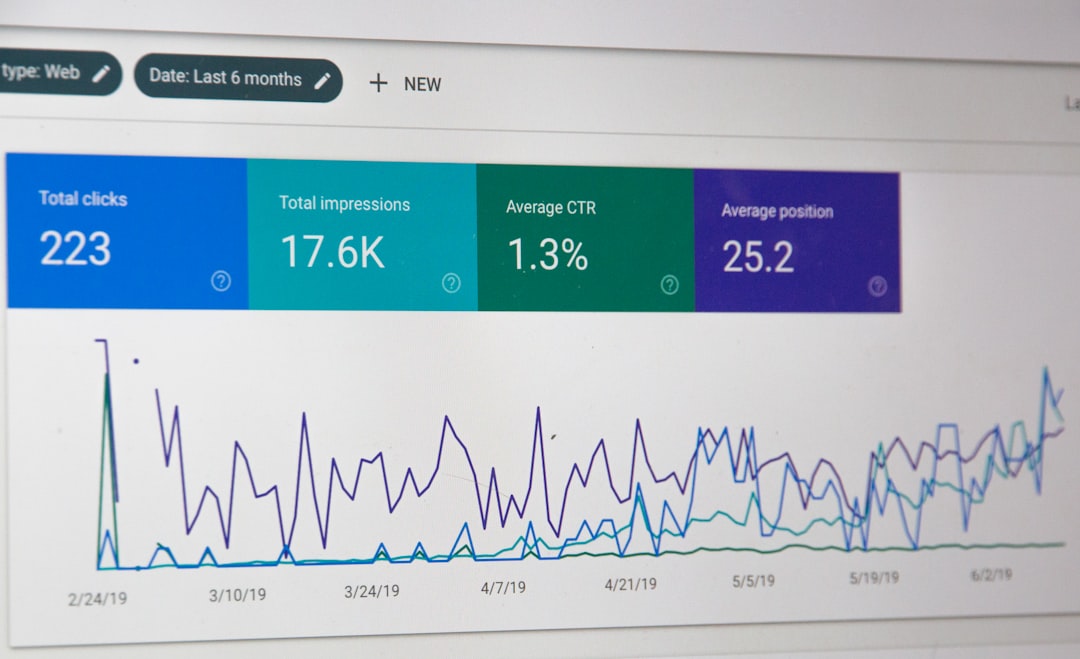
You cannot improve what you never check. Build a monthly AI visibility scorecard. Keep it simple at first.
- Prompt visibility: Out of 100 target prompts, how often is your brand mentioned?
- Citation rate: How often is your site used as a source?
- Competitor share: Which competitors appear more often?
- Sentiment: Are mentions positive, neutral, or incorrect?
- Entity accuracy: Are your category, pricing, audience, and features described correctly?
A healthy early target might be moving from 5% brand mentions to 15% within three months for a focused prompt set. For established brands, the target may be citation quality rather than mention count. A bad mention with outdated facts can hurt more than silence.
Common mistakes that reduce AI visibility
- Using vague positioning: AI systems need clear category language.
- Publishing shallow content: Generic posts rarely earn trust.
- Ignoring third party sources: External confirmation matters.
- Letting old facts linger: Outdated pricing, leadership, or features can spread.
- Hiding experts: Anonymous content weakens authority signals.
- Chasing mentions without accuracy: Visibility is useless if the answer is wrong.
What to do this week
Start with a quick audit. Search your brand in major AI answer tools. Ask category questions where you should appear. Save the answers. Then compare what the systems say against your real positioning.
Next, fix the basics:
- Rewrite your About page with clear entity facts.
- Add or correct Organization schema.
- Create one strong comparison or use case page.
- Update external profiles with consistent descriptions.
- Pitch one expert quote or data point to a relevant publication.
Brand visibility in AI answer engines is not a one time SEO trick. It is the result of repeated clarity. Say what you are. Prove it. Get others to confirm it. Then measure how often AI systems understand and cite you. That is how entity authority grows across generative search.