
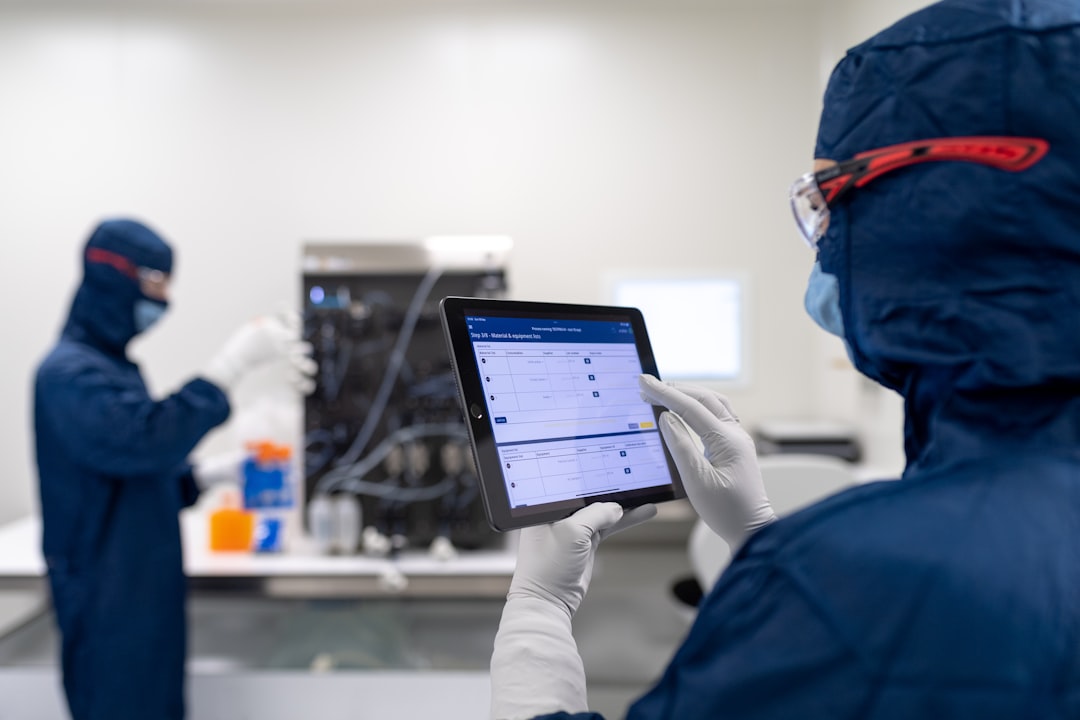
The best asset maintenance software is the one your technicians actually use without fighting the screen. A strong CMMS should make work orders, preventive maintenance, asset history, parts tracking, and reporting feel simple. The right platform cuts downtime, reduces repeat repairs, and gives managers proof that maintenance is under control.
TLDR: The top CMMS platforms include MaintainX, Fiix, UpKeep, Limble, eMaint, IBM Maximo, Hippo CMMS, Fracttal, Asset Essentials, Brightly, FMX, Maintainly, MPulse, ManagerPlus, and EZOfficeInventory. For example, a 60-asset food plant that moves from spreadsheets to a CMMS can often cut missed preventive maintenance tasks by 30% to 45% within three months. If technicians save just 12 minutes per work order across 500 monthly jobs, that is 100 labor hours returned to the team.
Asset maintenance software, often called a CMMS, helps teams plan, assign, track, and analyze maintenance work. It replaces the chaos of sticky notes, buried emails, and “I thought someone handled that” conversations. Good systems also show asset condition, spare parts usage, labor time, vendor records, and compliance data.
The catch is that not every platform fits every team. Some tools are clean and mobile friendly. Others are powerful but feel like they were designed by a committee locked in a basement. Below are 15 of the best CMMS and maintenance management platforms, with clear notes on where each one works best.

1. MaintainX
Best for: frontline maintenance teams that need fast mobile work orders.
MaintainX is popular because it feels modern and easy to learn. Technicians can open tasks, add photos, scan QR codes, chat with teammates, and close work orders from a phone. It is a strong fit for manufacturing, hospitality, food service, and facilities teams that want quick adoption.
Watch out for: advanced reporting may feel limited for large enterprise teams with complex data requirements.
2. Fiix
Best for: maintenance teams that want clean planning, analytics, and integrations.
Fiix offers work order management, asset records, preventive maintenance, parts tracking, and useful dashboards. It is well suited to manufacturers and operations teams that want to compare downtime, labor hours, and repair trends. Its interface is cleaner than many older CMMS tools.
Watch out for: setup still takes planning. Bad asset data will create bad reports.
3. UpKeep
Best for: mobile-first teams managing facilities, equipment, and field assets.
UpKeep is simple to roll out and friendly for technicians. It supports work requests, recurring maintenance, inventory, asset tracking, and mobile alerts. It works well for property managers, schools, warehouses, and light industrial teams.
Honestly, it feels like some reporting screens could be faster. A few extra clicks add up when managers check metrics every morning.
4. Limble CMMS
Best for: teams that want strong usability with serious maintenance features.
Limble balances ease of use with depth. It includes preventive maintenance, asset hierarchies, parts inventory, vendor tracking, custom dashboards, and QR code support. Teams often like it because technicians do not need a week of training to complete basic work.
Watch out for: pricing can rise as feature needs expand.
5. eMaint CMMS
Best for: organizations that need flexible configuration.
eMaint, from Fluke Reliability, is a mature CMMS with strong preventive maintenance, asset management, condition monitoring options, and reporting. It fits industrial teams that need configurable workflows and a more formal maintenance structure.
Watch out for: the flexibility is useful, but setup can feel heavy if your team wants a plug-and-play tool.
6. IBM Maximo
Best for: large enterprises with complex asset operations.
IBM Maximo is built for heavy asset management across utilities, transportation, energy, manufacturing, and government. It supports enterprise asset management, inspections, IoT data, predictive maintenance, procurement, and compliance.
Watch out for: this is not a casual CMMS. Expect implementation time, consultants, and a larger budget.
7. Hippo CMMS
Best for: facilities teams that want a visual, approachable system.
Hippo CMMS is known for its simple interface and floor plan features. Users can click on maps, rooms, or assets to create and track maintenance work. It fits healthcare facilities, education, hotels, and property operations.
Watch out for: asset-heavy industrial teams may want deeper technical controls.
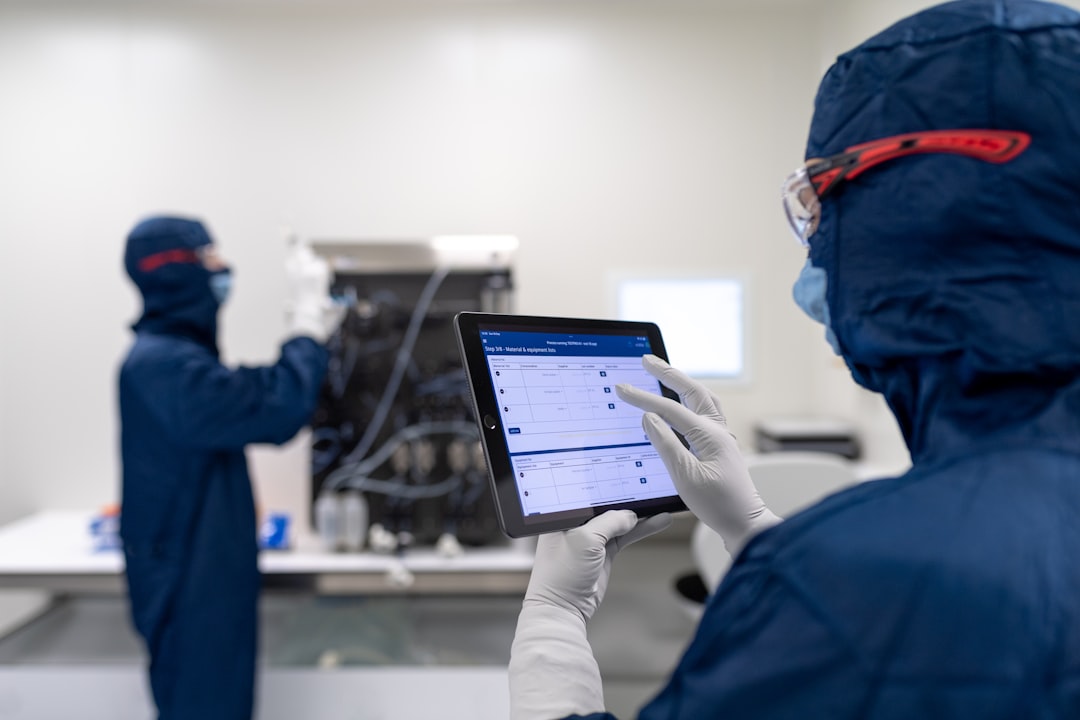
8. Fracttal One
Best for: teams interested in modern maintenance management and connected assets.
Fracttal One offers asset management, work orders, maintenance plans, inventory, analytics, and mobile tools. It also supports IoT-style maintenance strategies for teams that want condition-based triggers.
Watch out for: smaller teams may not need all of its advanced options right away.
9. Asset Essentials by Brightly
Best for: public sector, education, municipalities, and large facilities.
Asset Essentials focuses on work management, asset history, inspections, preventive maintenance, and capital planning. It is a strong option for organizations that manage buildings, grounds, fleets, and infrastructure.
Watch out for: new users may need guidance to build clean workflows.
10. Brightly TheWorxHub
Best for: senior living and healthcare facilities.
TheWorxHub is built around maintenance, housekeeping, transportation, and compliance workflows. It is especially useful where service requests, resident comfort, and regulatory checks matter every day.
Watch out for: it is industry focused, so it may not suit general manufacturing as well.
11. FMX
Best for: schools, facilities, and organizations managing maintenance plus scheduling.
FMX combines maintenance requests, preventive maintenance, facility scheduling, transportation requests, and inventory. It is especially helpful for school districts and public facilities that need staff-friendly request portals.
Watch out for: teams that only need machine maintenance may find some modules unnecessary.
12. Maintainly
Best for: small and midsize teams that need a straightforward CMMS.
Maintainly covers assets, work orders, requests, maintenance schedules, parts, and suppliers. It is less intimidating than many enterprise tools and suits teams leaving spreadsheets for the first time.
Watch out for: very complex maintenance programs may outgrow it.
13. MPulse
Best for: teams that want traditional CMMS depth and reporting.
MPulse provides preventive maintenance, asset tracking, inventory management, labor tracking, scheduling, and reports. It is a solid choice for maintenance departments that want structure and detailed records.
Watch out for: the interface may not feel as fresh as newer mobile-first tools.
14. ManagerPlus
Best for: fleets, equipment-heavy operations, and asset service teams.
ManagerPlus supports inspections, work orders, inventory, maintenance schedules, and equipment records. It works well for construction, agriculture, transportation, and teams with mixed fleets and fixed assets.
Watch out for: map your asset categories before setup, or reports can become messy fast.
15. EZOfficeInventory
Best for: asset tracking with lighter maintenance needs.
EZOfficeInventory focuses on asset checkout, location tracking, reservations, barcode scanning, and maintenance logs. It is useful for IT equipment, tools, lab assets, and shared workplace equipment.
Watch out for: it is stronger for asset control than deep maintenance planning.
How to Choose the Right CMMS
Start with your daily pain. Do not begin with a 60-page feature list. Ask what breaks the team most often.
- If technicians ignore the system: choose a mobile-first tool like MaintainX, UpKeep, or Limble.
- If reporting matters most: compare Fiix, eMaint, MPulse, and IBM Maximo.
- If you manage buildings: review Hippo, FMX, Asset Essentials, and TheWorxHub.
- If you run fleet or field equipment: consider ManagerPlus or Fracttal.
- If you only need asset control: EZOfficeInventory may be enough.
Features That Matter Most
A good CMMS should handle the basics without drama. You should be able to create work orders, schedule recurring tasks, view asset history, track parts, and see overdue work in seconds.
- Work order management: create, assign, prioritize, and close jobs.
- Preventive maintenance: schedule tasks by time, meter reading, or usage.
- Asset history: see repairs, costs, downtime, and recurring failures.
- Inventory control: avoid stockouts for critical parts.
- Mobile access: let technicians update work from the floor.
- Reports: track downtime, backlog, labor, and compliance.
It drives me crazy when software hides simple actions behind three menus. A technician should not need 20 seconds to find the close button on a routine pump inspection. Small delays feel harmless during a demo, then become hours of wasted time each month.
Final Takeaway
MaintainX, Limble, Fiix, and UpKeep are excellent starting points for many teams because they are practical and easy to adopt. IBM Maximo and eMaint fit larger, more complex operations. Hippo, FMX, Brightly, and TheWorxHub shine in facilities-heavy environments.
The best choice depends on asset count, technician habits, reporting needs, and budget. Pick the system that removes friction from daily maintenance. That is where the real savings show up.