
The safest B2B SMS outreach strategy is to message only clearly opted-in contacts, state the business reason fast, and route replies to trained people who can qualify interest without pressure. SMS can create excellent sales conversations, but only when compliance, timing, targeting, and reply handling are built into the campaign before the first text is sent.
TLDR: B2B SMS works best as a permission-based channel for warm prospects, customers, event attendees, and known business contacts. A compliant campaign should include documented consent, clear sender identity, opt-out language, quiet-hour controls, and human follow-up. For example, a software company texting 2,000 opted-in webinar attendees might see a 28% reply rate, with 11% requesting a demo and 4% becoming sales-qualified opportunities within two weeks.
Start With Permission, Not Volume
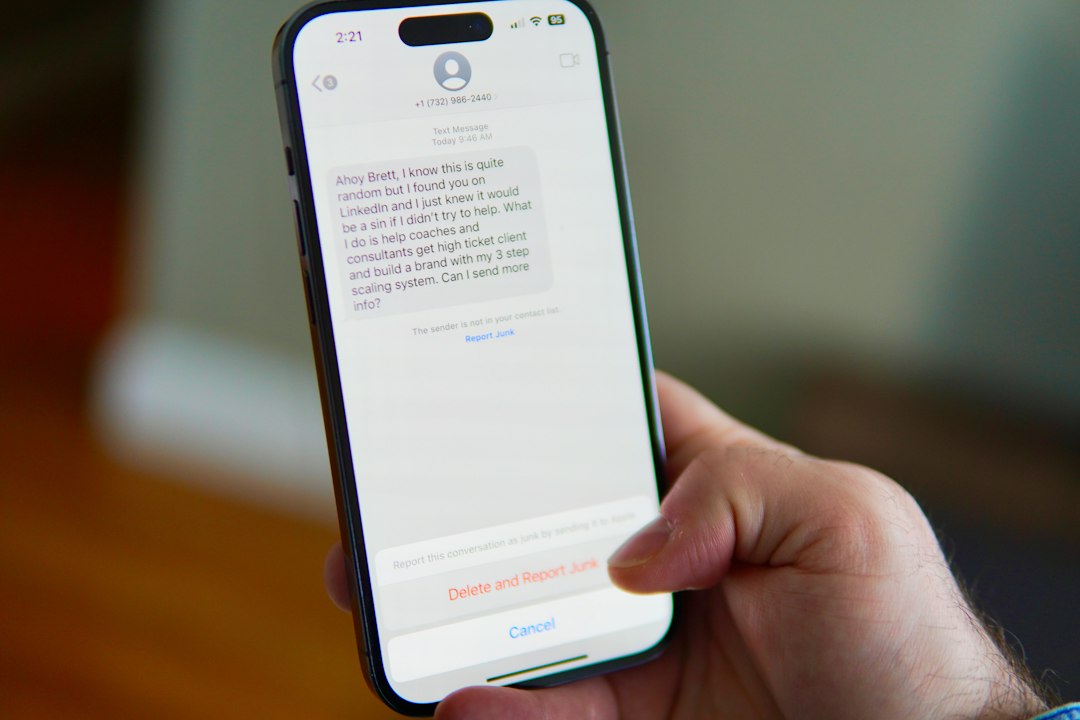
Many SMS programs fail because teams treat texting like another cold email tool. That is a risky mistake. SMS is more personal. It sits next to bank alerts, delivery notices, and family messages. If a business sends unwanted texts, people react quickly. They opt out, complain, or report the number.
For B2B campaigns, permission can come from several sources:
- Website forms with a clear SMS consent checkbox.
- Event registrations that explain follow-up by text.
- Demo requests where the contact agrees to SMS updates.
- Customer onboarding forms that include messaging terms.
- Account management conversations where consent is captured and logged.
Do not hide consent in vague terms. A compliant opt-in should say what kind of messages the person may receive, who will send them, and how they can opt out. If the text will be promotional, say so. If it will be about an appointment, say that too.
Honestly, it feels like some teams spend weeks perfecting a text script but only 10 seconds checking whether they are allowed to send it. That order is backwards. Consent is the base of the campaign.

Know the Rules Before You Press Send
B2B SMS is often subject to consumer protection rules because the message goes to a person’s mobile phone. In the United States, businesses should pay close attention to the TCPA, carrier rules, CTIA guidelines, the National Do Not Call Registry where applicable, and 10DLC registration for application-to-person traffic.
This is not legal advice, but strong internal controls should cover:
- Express consent records: Keep time, date, source, IP address where relevant, and consent language.
- Opt-out handling: Honor STOP, UNSUBSCRIBE, CANCEL, END, and similar replies quickly.
- Sender identification: Make it clear who is texting.
- Message purpose: Avoid bait-and-switch wording.
- Quiet hours: Respect local time zones and reasonable business hours.
- Suppression lists: Remove opted-out contacts across all systems.
Carrier filtering is another real issue. If a campaign is not registered properly, messages may be blocked or slowed. That can wreck timing for event follow-up or limited meeting slots. Registration is not exciting, but it protects deliverability.
Segment Contacts by Intent
Good SMS outreach does not start with a giant list. It starts with a tight reason to text. Segment by intent, role, timing, and relationship stage.
High-fit B2B segments include:
- Recent demo requesters who have not booked a time.
- Webinar attendees who stayed for more than half the session.
- Trial users who reached a product usage milestone.
- Renewal contacts approaching contract review.
- Trade show leads who scanned a badge and agreed to follow-up.
Segmentation improves compliance as well as performance. It keeps messages relevant. That lowers opt-outs and complaints. It also helps sales teams avoid awkward openings like, “Just checking in,” which often creates no reply at all.
Write Messages That Respect the Buyer’s Time
A B2B text should be short, specific, and easy to answer. The best messages feel useful, not pushy. They also avoid bloated claims and fake urgency.
A strong campaign message usually includes:
- Identity: Who is sending the text.
- Context: Why the person is receiving it.
- Value: What the buyer gets by replying.
- Choice: A simple response option.
- Opt-out: Clear STOP language where required or appropriate.
Example:
Hi Mara, this is Ken from Northline Analytics. You joined our forecasting webinar yesterday. Want the 3-slide benchmark summary for manufacturing teams? Reply YES and I’ll send it. Reply STOP to opt out.
This message works because it is clear. It does not pretend to be casual. It names the source of consent. It asks a small question. It gives the person control.
Build a Qualification Path Before Replies Arrive
Getting replies is not the goal. Getting useful conversations is the goal. This is where many campaigns fall apart. Marketing generates responses, then sales takes hours to reply, sends the wrong link, or asks the same question twice.
Set a reply plan before launch. Define who responds, how fast they respond, and what counts as qualified interest.
Common qualification signals include:
- Budget range or planned purchase window.
- Current vendor or internal process.
- Number of users, locations, seats, or monthly volume.
- Specific pain point named by the buyer.
- Request for pricing, demo, proposal, or technical review.
Keep the conversation natural. SMS is not the place for a 12-question discovery form. Ask one useful question at a time.
For example:
Happy to send pricing. Quick check first: are you reviewing tools for this quarter or planning for later in the year?
That one question helps qualify timing without making the buyer feel trapped.
Use Automation Carefully
Automation can help with routing, reminders, opt-outs, and CRM updates. It should not make the conversation feel robotic. Expect to waste time on tools that claim “instant CRM sync” but still take 30 seconds per record to show the latest reply. Test that before launch, not during a live campaign.
Useful automation workflows include:
- Immediate opt-out suppression across SMS and CRM systems.
- Lead routing by territory, account owner, or product interest.
- Meeting links sent only after the buyer shows interest.
- Reminder texts for booked calls or events.
- Reply tagging for interested, not now, customer support, or wrong contact.
Human review still matters. A buyer who says, “Send details to my ops director” should not receive a generic automated pitch. That reply needs account research and a careful handoff.
Measure Quality, Not Just Response Rate
SMS metrics should show whether the campaign created sales value without harming trust. A high reply rate means little if most replies are complaints or “who is this?” messages.
Track these numbers every time:
- Delivery rate: Are messages reaching phones?
- Opt-out rate: Are contacts rejecting the campaign?
- Positive reply rate: How many replies show real interest?
- Qualified conversation rate: How many replies meet sales criteria?
- Meeting booked rate: How many contacts take the next step?
- Complaint rate: Are people reporting the sender?
- Revenue influence: Which opportunities came from the SMS touch?
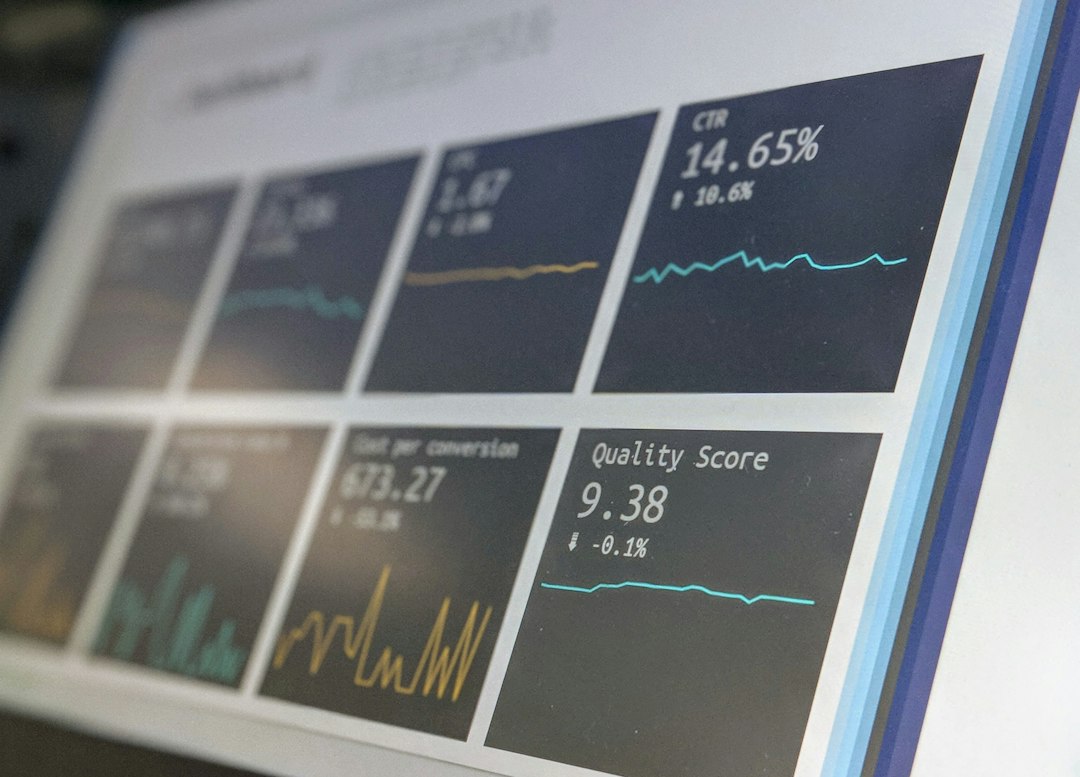
A healthy B2B campaign might produce a 15% to 35% reply rate from a warm list, with opt-outs below 2%. Cold or poorly sourced lists can perform far worse and create compliance risk. The difference usually comes down to consent, timing, and fit.
Protect Brand Trust With Clear Governance
Every business using SMS should have a written messaging policy. It does not need to be 60 pages. It should be practical and enforceable.
Include:
- Approved use cases.
- Consent requirements.
- Message templates and review steps.
- Quiet-hour rules.
- Opt-out procedures.
- Data retention standards.
- Escalation contacts for complaints.
Train sales and marketing teams on the policy. Audit campaigns each month. Pull a sample of messages and check consent, wording, response handling, and CRM notes. If something looks sloppy, pause and fix it.
The Practical Playbook
To run a serious B2B SMS outreach program, start small. Choose one high-intent segment. Confirm consent. Register the sending number or campaign as required. Write one clear message. Prepare reply paths. Launch during business hours. Review results within 24 hours.
The best SMS campaigns do not feel like blasts. They feel like timely business follow-up. They help buyers get answers faster. They help sellers focus on people who actually want to talk.
Compliant B2B SMS is not about sending more messages. It is about earning the right to send the right message, at the right moment, to someone who has a fair reason to hear from you. When that standard is met, SMS becomes a strong source of qualified conversations rather than another channel people rush to block.