

The best Trustpilot alternative depends on where your buyers already make decisions. For local services, start with Google Business Profile. For software, use G2 or Capterra. For ecommerce, consider Yotpo, Reviews.io, Feefo, or Bazaarvoice. Trustpilot is strong, but it is not the only serious option for building trust, collecting reviews, and managing reputation.
TLDR: If you need broad public visibility, Google Business Profile is often the first choice. If you sell B2B software, G2 and Capterra usually carry more buying intent than general review sites. For example, a local HVAC company that moved from scattered testimonials to a structured Google review request flow could collect 120 reviews in six months, lift its rating from 4.2 to 4.7, and improve call volume by 18%. Pick the platform that matches your sales channel, not the one with the loudest branding.
Why businesses look for Trustpilot alternatives
Trustpilot is widely known, especially for consumer-facing brands. It offers public profiles, review invitations, widgets, and moderation tools. Still, many companies need more specific features. Some want stronger ecommerce integrations. Others need software category rankings, local search visibility, or better review request controls.
The catch is that review software can seem simple until you start using it daily. Exporting data may take longer than expected. Moderation rules can feel rigid. Support tiers may hide key features behind higher pricing. A platform may look perfect in a demo, then add three extra clicks to every review request workflow. That gets old quickly.
A good review platform should help you do four things well:
- Collect verified customer reviews without annoying buyers.
- Show trust signals on your website, ads, and product pages.
- Respond to negative reviews before they damage your brand.
- Track trends across locations, products, staff, or service lines.

1. Google Business Profile
Best for: local businesses, service providers, clinics, restaurants, trades, and retail stores.
Google reviews often matter more than any third-party review site for local search. When someone searches “plumber near me” or “best dentist in Chicago,” star ratings can affect clicks, calls, and map visibility. The reviews appear directly in Google Search and Maps, which makes them hard to ignore.
Key strengths:
- Free to use.
- High visibility in local search.
- Easy for customers with Google accounts.
- Strong impact on first impressions.
Weak spots: reporting is basic, review filtering can be unclear, and support can be slow. If a fake review appears, expect to waste time submitting removal requests with no clear timeline.
2. G2
Best for: B2B software, SaaS companies, IT vendors, and professional tools.
G2 is one of the most trusted review platforms for software buyers. Its category grids, verified reviews, and comparison pages can influence serious purchase decisions. Buyers use it when they are comparing vendors, building shortlists, or checking whether sales claims match user feedback.
Key strengths:
- Strong credibility in B2B software.
- Detailed review questions.
- Competitive comparison reports.
- Useful badges for websites and sales materials.
Weak spots: it can be expensive for smaller vendors. Review generation also takes effort because B2B users may need incentives or repeated reminders to respond.
3. Capterra
Best for: software vendors targeting small and mid-sized businesses.
Capterra, owned by Gartner, helps buyers compare software by category, pricing, rating, and features. It is especially useful for business tools such as CRM systems, HR software, accounting apps, and project management platforms.
Capterra reviews tend to be practical. Users often discuss onboarding, support, usability, and value for money. That makes it useful for buyers who want less hype and more operational detail.
Weak spots: competition can be intense in popular categories. Paid placements may also affect visibility, so review quality alone may not secure top exposure.
4. Reviews.io
Best for: ecommerce brands, direct-to-consumer companies, and online retailers.
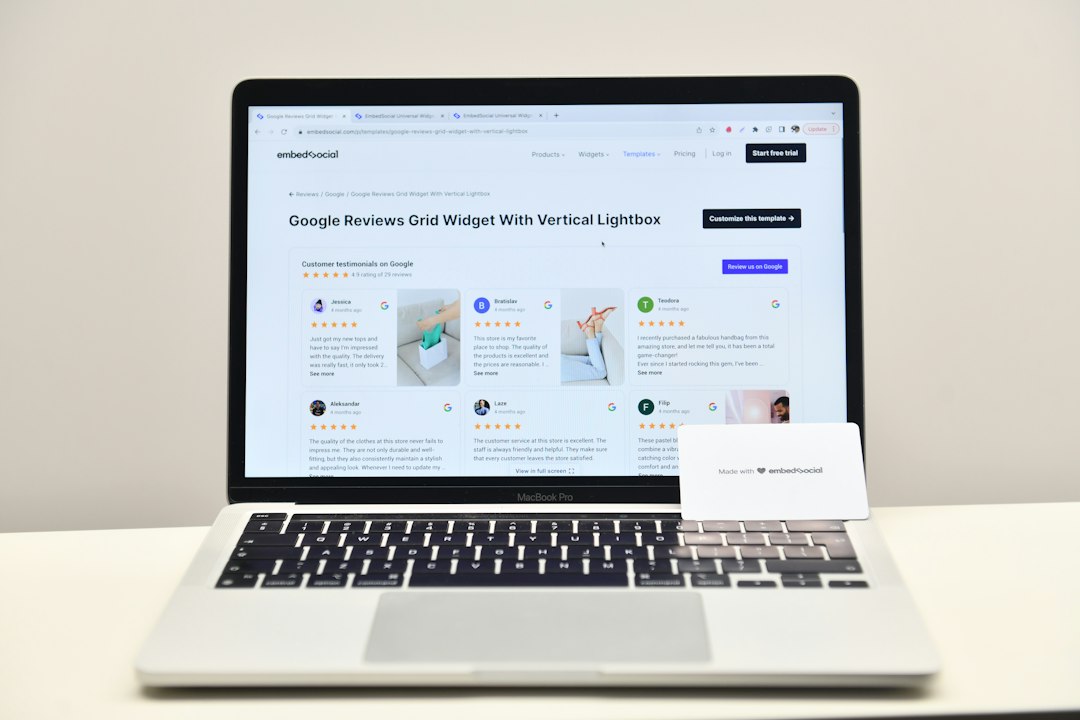
Reviews.io is a strong Trustpilot alternative for brands that need product reviews, company reviews, photo reviews, video reviews, and integrations with ecommerce platforms. It supports Google Seller Ratings, which can help paid search ads show star ratings when eligibility rules are met.
Key strengths:
- Good ecommerce integrations.
- Company and product review collection.
- Photo and video review support.
- Review widgets for conversion pages.
Honestly, it feels like some review platforms treat product reviews as an afterthought. Reviews.io does not. That makes it a better fit for retailers that need proof on product detail pages, not just a generic brand score.
5. Feefo
Best for: brands that want verified customer reviews and controlled review invitations.
Feefo focuses on verified reviews. That means feedback is usually tied to real customer transactions. This can reduce fake review risks and improve credibility. It is a solid choice for insurance, travel, finance, retail, and service brands that need stronger proof behind ratings.
Key strengths:
- Verified review model.
- Customer experience insights.
- Product and service review tools.
- Useful reporting for larger teams.
Weak spots: it may feel formal for very small businesses. Setup and pricing can also suit established companies better than early-stage teams.
6. Yotpo
Best for: ecommerce brands using reviews as part of retention and growth marketing.
Yotpo offers reviews, visual user content, loyalty, referrals, and SMS marketing tools. Its review features work well for online stores that want to collect social proof and use it across product pages, emails, and ads.
Key strengths:
- Strong ecommerce focus.
- Visual review collection.
- Loyalty and referral add-ons.
- Good fit for Shopify brands.
Weak spots: pricing can rise as needs grow. Some brands may find the wider product suite more than they need if they only want basic reviews.
7. Birdeye
Best for: multi-location businesses, healthcare groups, agencies, and local service chains.
Birdeye helps businesses collect reviews across sites such as Google, Facebook, and industry platforms. It also includes messaging, surveys, listings, and reputation monitoring. This makes it useful for companies with many branches or teams that need central control.
Key strengths:
- Multi-location review management.
- Central inbox for feedback.
- Automated review requests.
- Reporting by location or team.
Weak spots: smaller businesses may not need the full system. The platform makes more sense when reputation management is handled as an ongoing operation.
8. Podium
Best for: local businesses that rely on text messaging and fast customer follow-up.
Podium combines review requests, messaging, web chat, and payment tools. It is popular with automotive, dental, home services, and retail businesses. Its biggest strength is convenience. Staff can send review requests by text soon after a job, visit, or purchase.
Weak spots: it is not the cheapest option. It also works best when teams are trained to respond quickly. Slow replies weaken the value of the platform.
9. Bazaarvoice
Best for: enterprise retail brands, manufacturers, and large ecommerce programs.
Bazaarvoice is built for scale. It supports ratings, reviews, questions and answers, syndication, and user-generated content. Large brands use it to collect reviews and distribute them across retailer sites.
Key strengths:
- Enterprise-grade review syndication.
- Large retail network.
- Strong moderation controls.
- Good fit for major product catalogs.
Weak spots: it is usually too complex and costly for small businesses. It fits brands with mature ecommerce operations and large product volume.

How to choose the right review platform
Start with the place where your customers already judge you. A restaurant needs Google and Yelp more than G2. A SaaS company needs G2 and Capterra more than Yelp. An ecommerce brand needs product reviews on key product pages, not just a public profile with stars.
Use this simple rule:
- Local intent: Google Business Profile, Yelp, Birdeye, Podium.
- Software buying: G2, Capterra, GetApp.
- Ecommerce trust: Reviews.io, Yotpo, Feefo, Bazaarvoice.
- Enterprise retail: Bazaarvoice or a similar large-scale system.
Also check ownership and portability. Can you export reviews? Can you display them on your site? Can you segment by product, location, or service agent? Can you reply from one dashboard? These details matter after the first month.
Final recommendation
For most local businesses, Google Business Profile should be the first priority. It is visible, free, and tied directly to search behavior. For B2B software, G2 and Capterra are stronger than general review platforms. They reach buyers who are already comparing vendors. For ecommerce, Reviews.io, Yotpo, Feefo, and Bazaarvoice offer better product review features than Trustpilot alone.
The best platform is not always the biggest name. It is the one that helps real customers leave credible feedback, helps your team respond fast, and puts proof where buyers need it most.