
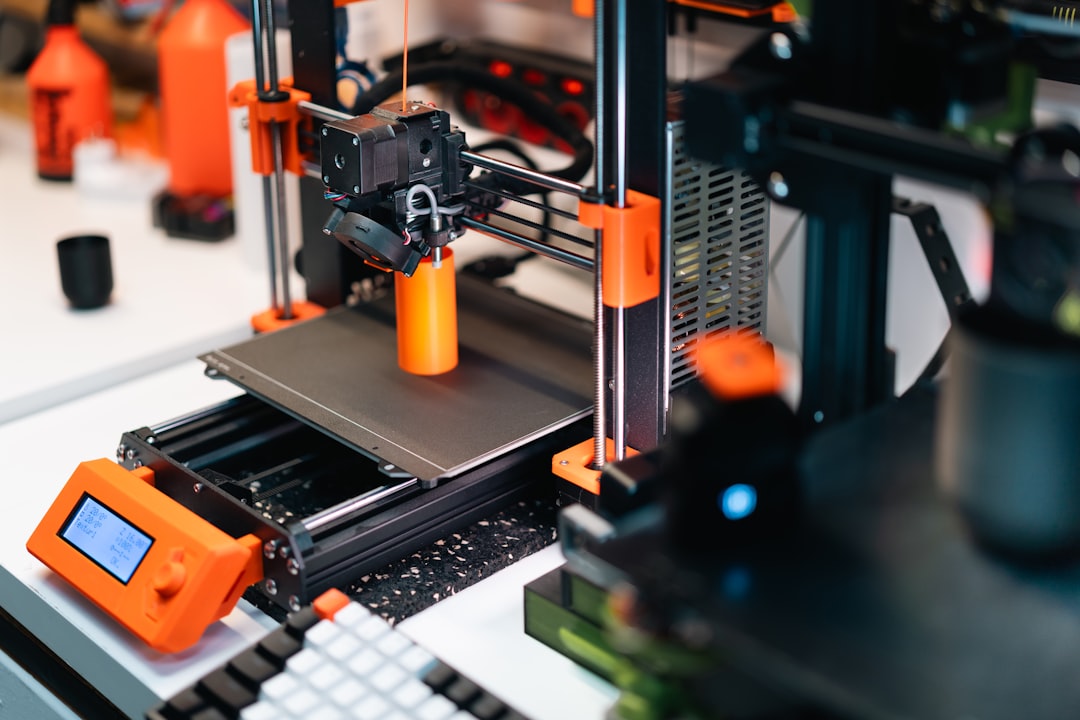
A 300mm 3D printer sits in a very useful middle ground: large enough to print helmets, functional prototypes, cosplay parts, organizers, and small furniture components, yet still compact enough for a home workshop, classroom, or small business studio. In 2026, this size class has become one of the most popular choices for makers who want more freedom than a standard desktop printer offers without stepping into expensive industrial machines.
TLDR: A 300mm 3D printer usually offers a build area around 300 x 300 x 300mm, giving users significantly more room than typical beginner printers. It is ideal for larger prototypes, props, replacement parts, batch printing, and small production runs. In 2026, improved motion systems, faster firmware, auto calibration, and material compatibility make these printers more practical than ever. The main tradeoffs are higher space requirements, greater power use, and the need for careful setup.
What Is a 300mm 3D Printer?
A 300mm 3D printer refers to a printer with at least one build dimension of roughly 300 millimeters, though the most common format is 300 x 300 x 300mm. That means the printer can produce objects up to about 30 centimeters wide, deep, and tall, depending on its exact design and the space taken up by clips, purge lines, or print bed margins.
Compared with common entry-level printers, which often have build volumes around 220 x 220 x 250mm, a 300mm machine provides a noticeable jump in creative freedom. It lets you print bigger objects in one piece, arrange more small parts on the bed at once, and reduce the need for cutting models into multiple sections.
In practical terms, a 300mm printer is not simply “a little larger.” The extra bed area adds up quickly. A 300 x 300mm print surface has about 86% more area than a 220 x 220mm bed, which can dramatically improve productivity when printing many parts at the same time.
Understanding Build Volume
Build volume is the maximum physical space inside the printer where an object can be printed. It is normally written as width x depth x height. For example, a printer listed as 300 x 300 x 300mm can theoretically print an object that fits within a cube of that size.
However, the advertised build volume is not always the same as the comfortable working volume. In real use, you may lose a few millimeters because of bed clips, print adhesion borders, nozzle wiping, calibration routines, or safety offsets. If you need to print a part exactly 300mm wide, it is wise to check the printer’s usable dimensions carefully before buying.
Build volume also affects more than maximum object size. It influences how you prepare prints, how long they take, how much filament they use, and how much heat management matters. Larger prints are more sensitive to warping, uneven cooling, and bed leveling errors because small inaccuracies become more visible over a longer distance.
Why 300mm Is a Popular Size in 2026
In 2026, 300mm printers are popular because they match the needs of three major groups: hobbyists, educators, and small businesses. Many users have outgrown compact printers but do not need huge machines with 500mm or larger frames. A 300mm printer offers a better balance of size, cost, print quality, and convenience.
Modern 300mm printers are also much easier to use than older large-format machines. Features that were once considered premium are now common, including automatic bed leveling, input shaping, filament runout sensors, direct drive extruders, high-flow hotends, and better touchscreen interfaces. These improvements make larger printers less intimidating for beginners and more efficient for experienced users.
Another reason this size is popular is faster printing. Thanks to improved firmware and motion systems, many 2026 models can print at noticeably higher speeds while maintaining good quality. This matters because large prints can take many hours or even days. A faster, more stable printer makes the 300mm format far more practical.
Main Benefits of a 300mm 3D Printer
- Larger one-piece prints: You can print helmets, vases, enclosures, brackets, display stands, and larger prototypes without splitting them into sections.
- More efficient batch printing: A bigger bed lets you print multiple smaller parts in one job, saving setup time and improving workflow.
- Better for prototyping: Product designers can test full-size parts rather than scaled models, which is important for fit, strength, and ergonomics.
- Useful for creative projects: Cosplay armor, architectural models, RC parts, wall art, and custom décor benefit from the larger format.
- Room to grow: Beginners may start with small prints, but a 300mm build volume gives them space for more ambitious projects later.
One underrated benefit is flexibility. Even if you do not print huge objects every day, the extra space allows better part orientation. Sometimes rotating a model or laying it flat creates a stronger print or a better surface finish. On a smaller bed, you may not have that option.
Best Uses for a 300mm 3D Printer
A 300mm printer is especially useful for functional parts. If you are making tool holders, storage boxes, machine guards, electronic enclosures, replacement handles, or workshop fixtures, the larger bed gives you room to create practical parts at real-world scale.
It is also excellent for cosplay and props. A helmet may still need to be printed in sections depending on its design, but a 300mm printer can often reduce the number of pieces. Fewer sections mean less gluing, sanding, filling, and painting.
For education, this size supports bigger classroom demonstrations. Teachers can print anatomical models, engineering parts, geography models, robot chassis components, and large visual aids. Students also benefit from seeing full-size prototypes rather than tiny examples.
Small businesses can use 300mm printers for short-run production. Examples include custom brackets, packaging inserts, display fixtures, personalized gifts, jigs, fixtures, and test products. While not as fast as injection molding, 3D printing is ideal when quantities are low and customization matters.
Materials That Work Well
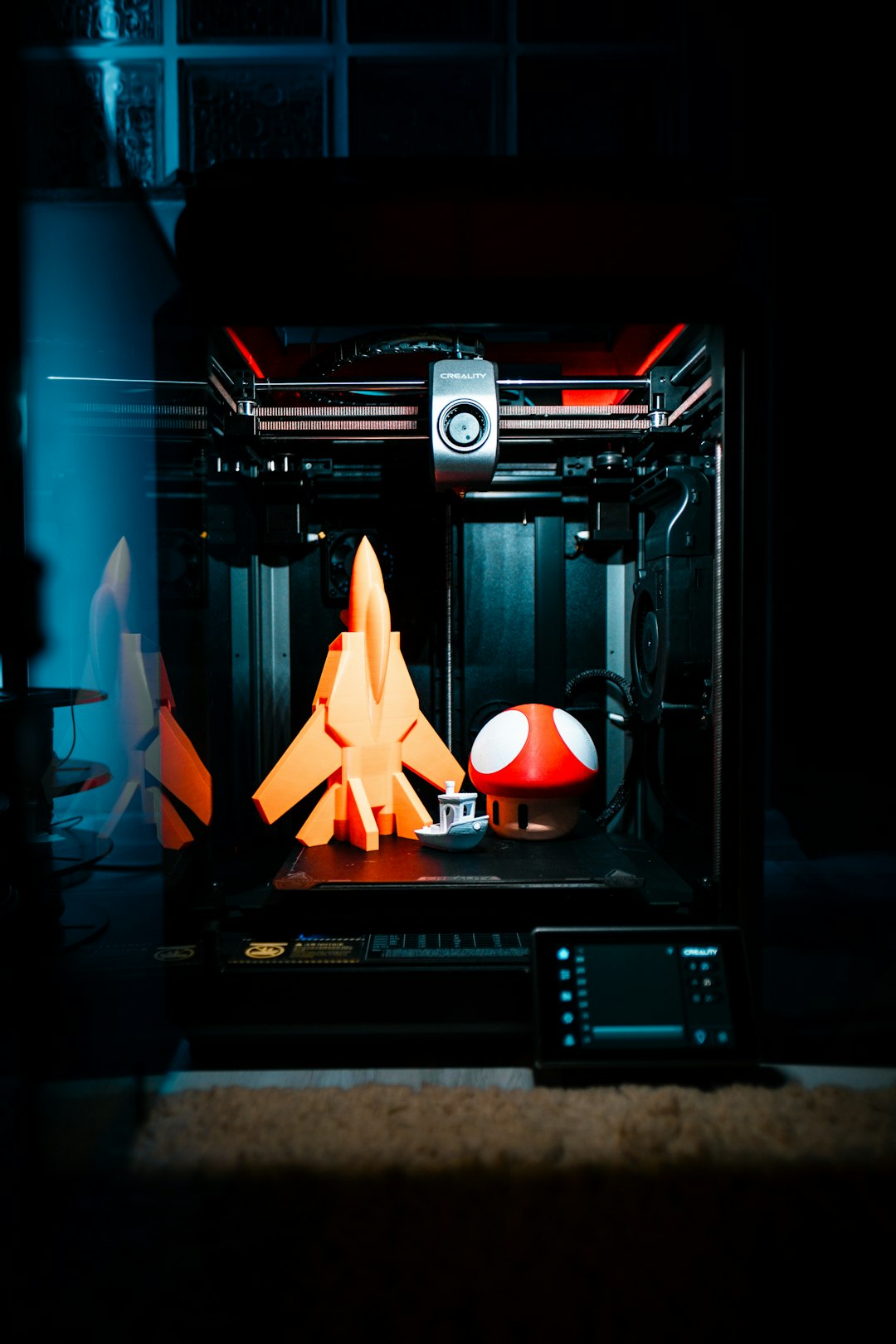
Most 300mm printers in 2026 can handle standard materials such as PLA, PETG, and TPU. PLA remains the easiest choice for decorative objects, prototypes, and general-purpose prints. PETG is better for parts that need more toughness, heat resistance, or outdoor durability. TPU is flexible and useful for gaskets, grips, protective feet, and soft components.
More advanced machines can print ABS, ASA, nylon, polycarbonate blends, and carbon fiber filled filaments. However, these materials often require an enclosed printer, higher nozzle temperatures, a heated bed, and good ventilation. With a 300mm build volume, enclosure quality becomes more important because larger parts are more likely to warp if temperatures fluctuate.
If you plan to print engineering materials, look for a printer with an all-metal hotend, stable frame, reliable bed heating, and preferably an enclosure. For casual home use, an open-frame 300mm printer is often enough, especially if you mostly use PLA and PETG.
Things to Consider Before Buying
Although 300mm printers are highly versatile, they are not the perfect choice for everyone. First, they take up more space. The printer’s external dimensions will be larger than its build volume, and bed-slinger designs need extra front and rear clearance as the bed moves.
Second, large beds require more consistent heating and leveling. A small leveling error on a compact printer may be easy to ignore, but on a 300mm bed it can cause poor first layers in one corner while another area prints perfectly. Auto bed leveling helps a lot, but a rigid frame and flat build plate are still important.
Third, large prints use more filament and time. A full-size print can consume an entire spool or more, so failed prints become more expensive. This makes careful slicing, support settings, and first-layer checks especially valuable.
- Check your workspace: Measure the table, clearance, and ventilation area before purchasing.
- Look for stability: A rigid frame improves print quality, especially at higher speeds.
- Consider noise: Larger fans and faster motion systems can be louder than compact printers.
- Review bed heating: A strong heated bed helps with adhesion and reduces warping.
- Think about maintenance: Larger machines may need more frequent belt, wheel, rail, or lead screw checks.
CoreXY vs Bed Slinger Designs
In 2026, many 300mm printers fall into two broad categories: CoreXY and bed slinger. Bed slinger printers move the print bed back and forth on one axis. They are often more affordable and simpler to maintain, but they need more physical space and may be less ideal for very fast printing with tall objects.
CoreXY printers move the print head in the horizontal plane while the bed usually moves only up and down. This design can be faster and more stable, especially for larger or taller prints. CoreXY machines are often enclosed, making them better for materials like ABS and ASA. However, they may cost more and involve a slightly steeper learning curve.
Neither design is automatically better for every user. If you want a budget-friendly machine for PLA and PETG, a good bed slinger can be a smart choice. If you want high-speed printing, engineering materials, or a cleaner enclosed setup, CoreXY may be worth the investment.
Is a 300mm Printer Good for Beginners?
Yes, a 300mm printer can be good for beginners, but it depends on the model. A beginner-friendly machine should include automatic bed leveling, clear setup instructions, reliable filament loading, good slicer profiles, and strong community support. These features reduce frustration and help new users focus on learning rather than constant troubleshooting.
That said, beginners should avoid starting with extremely complex materials or oversized prints. It is better to begin with small PLA objects, learn calibration basics, and gradually move up to larger projects. A 300mm build volume gives beginners room to grow, but patience is still important.
How to Get the Best Results
To get the most from a 300mm printer, start with a stable surface. Large printers can vibrate, and vibration affects surface quality. Use a sturdy table, keep the printer away from drafts, and make sure the frame is square and properly tightened.
For big prints, use good bed adhesion methods. A clean build plate, correct first-layer height, suitable bed temperature, and brim settings can prevent lifting corners. When printing tall objects, consider slower speeds, stronger infill where needed, and supports that are easy to remove.
It is also smart to test filament profiles before committing to huge jobs. Print a small temperature tower, flow test, or strength sample. A 20-minute calibration print can save you from a 20-hour failure.
The Future of 300mm 3D Printing
By 2026, the 300mm category has matured into a dependable option for serious hobby and professional desktop use. The next wave of improvements is likely to focus on smarter automation, better error detection, faster multi-material printing, and more energy-efficient heated chambers.
AI-assisted slicing and monitoring are also becoming more common. Printers can increasingly detect spaghetti failures, poor adhesion, filament jams, and abnormal movement. These features are especially valuable for large prints because they reduce wasted time and material.
Final Thoughts
A 300mm 3D printer is one of the most practical choices for users who want a larger build volume without moving into oversized industrial equipment. It offers enough space for ambitious creative projects, functional parts, prototypes, classroom models, and small business production.
The best 300mm printer for you depends on your budget, materials, workspace, and speed expectations. If you value affordability and simplicity, a modern bed slinger may be enough. If you want speed, enclosure support, and advanced materials, a CoreXY printer may be the better long-term investment. Either way, in 2026, the 300mm format remains a powerful and flexible option for anyone ready to print bigger, smarter, and more efficiently.