

Telecom services are essential to modern business operations, but they are also difficult to control. Mobile lines, fixed voice, data connections, collaboration tools, network services, contracts, invoices, devices, and user changes all create a complex operating environment. A Telecom Lifecycle Management platform helps organizations manage this complexity by bringing telecom assets, costs, agreements, and workflows into one structured system.
TLDR: Telecom Lifecycle Management platforms help businesses manage telecom devices, contracts, expenses, and operational processes from a single, reliable environment. They improve visibility, reduce unnecessary spending, strengthen compliance, and simplify day-to-day telecom administration. For organizations with many users, vendors, locations, and services, these platforms can turn telecom management from a reactive cost center into a controlled, strategic function.
What Is a Telecom Lifecycle Management Platform?
A Telecom Lifecycle Management, or TLM, platform is a system designed to manage the full lifespan of telecom services and assets. This includes planning, ordering, provisioning, inventory tracking, contract management, invoice validation, expense allocation, support workflows, reporting, and service retirement.
In practical terms, a TLM platform gives an organization a central record of what telecom services it owns, who uses them, what they cost, which contracts govern them, and whether they are being used efficiently. This is especially important for companies operating across multiple offices, countries, departments, or carriers.
Without a structured platform, telecom management often depends on spreadsheets, email chains, carrier portals, manual invoice reviews, and fragmented internal processes. These methods may work for a small organization, but they quickly become unreliable as telecom environments grow. A TLM platform replaces this fragmentation with centralized visibility, standardized workflows, and stronger financial control.
Managing Devices Across the Enterprise
Device management is one of the most visible parts of the telecom lifecycle. Organizations must track smartphones, tablets, routers, SIM cards, desk phones, headsets, and other connected equipment. Each asset has a purchase date, assigned user, warranty status, service plan, security requirements, replacement timeline, and potential disposal process.
A strong TLM platform helps maintain a complete inventory of devices and associated services. It can show which employee is using a device, whether it is linked to a corporate mobile plan, when it is due for refresh, and whether it has been returned after an employee leaves the company.

This level of control supports several important outcomes:
- Reduced device loss: Assets are tracked from procurement through retirement.
- Better employee onboarding: New hires can receive approved devices and plans through a structured workflow.
- Improved offboarding: Devices, SIMs, and services can be recovered or disconnected promptly.
- Security alignment: Telecom assets can be linked to mobile device management, access controls, and compliance processes.
- Lifecycle planning: Replacement cycles become predictable rather than reactive.
Device management is not only about hardware. It is also about controlling the services attached to those devices. A phone that remains active after an employee departs may continue generating monthly charges. A tablet assigned to a temporary project may be forgotten when the project ends. Over time, these small oversights become significant expenses.
Contract Management and Vendor Control
Telecom contracts are often complex. They may include minimum commitments, service level agreements, renewal terms, early termination clauses, usage thresholds, international roaming rules, equipment subsidies, discounts, and bundled services. Managing these contracts manually can expose organizations to unnecessary costs and missed opportunities.
A TLM platform creates a central repository for contract information. This allows telecom, procurement, finance, and legal teams to access the same source of truth. Instead of searching through emails or shared folders, stakeholders can review contract dates, negotiated rates, carrier obligations, and renewal deadlines in one place.
Contract visibility is particularly valuable before renewals. Many telecom agreements include auto renewal clauses or require cancellation notices within a specific window. If the organization misses that window, it may be locked into outdated pricing or unfavorable terms. A TLM platform can provide alerts before critical dates, allowing teams to renegotiate from a position of knowledge.
Effective contract management also supports vendor accountability. When invoices arrive, charges can be compared against contracted rates. If a carrier bills incorrectly, the platform can help identify the discrepancy and support a dispute. This is important because telecom billing errors are common, especially in large environments with multiple services and rate structures.
Telecom Expense Management
One of the most important functions of a Telecom Lifecycle Management platform is Telecom Expense Management, often called TEM. Telecom expenses can be difficult to understand because they come from multiple vendors, in different formats, with detailed line items, taxes, surcharges, usage fees, credits, and one time charges.
A TLM platform can automate invoice ingestion, normalize billing data, validate charges against contracts, identify anomalies, allocate costs to departments, and support approval workflows. This reduces the burden on finance and telecom teams while improving accuracy.
Common expense management capabilities include:
- Invoice processing: Collecting and organizing billing data from carriers and service providers.
- Charge validation: Comparing billed amounts against contracted pricing and expected usage.
- Dispute management: Tracking billing errors, credits, and carrier responses.
- Cost allocation: Assigning charges to the correct business units, locations, projects, or users.
- Spend analytics: Identifying trends, overspending, unused services, and optimization opportunities.
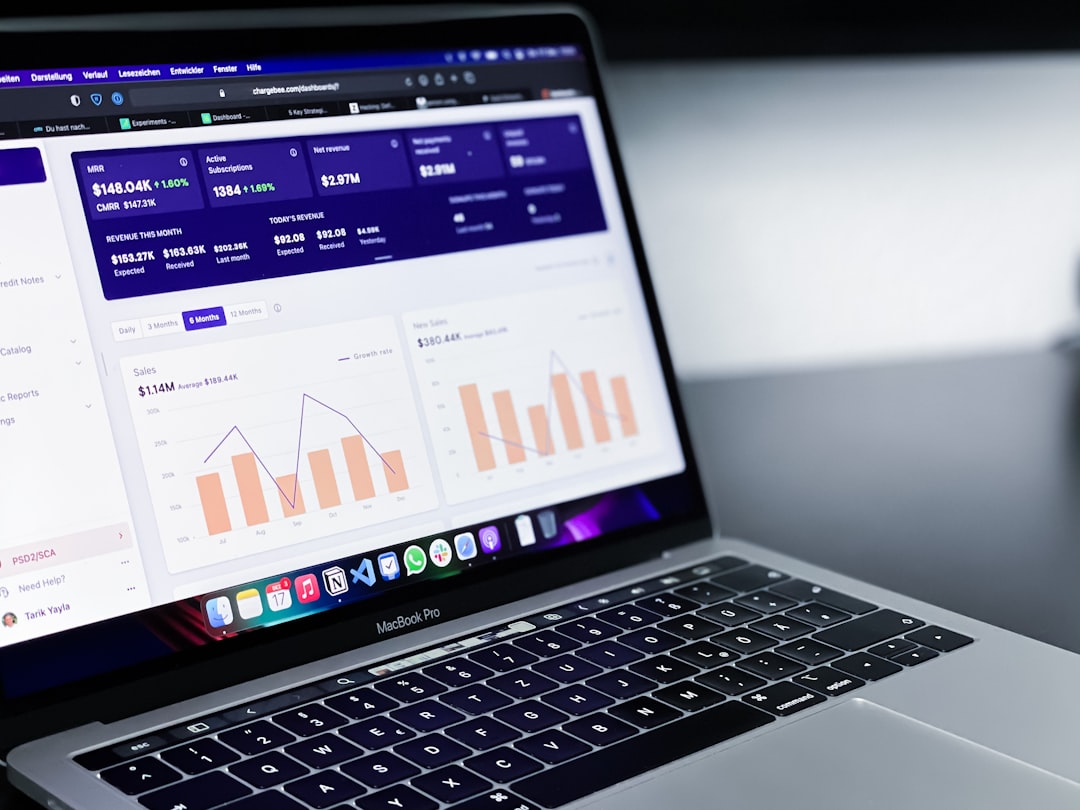
Expense management is not simply a cost cutting exercise. It also improves financial governance. When telecom costs are accurately allocated, department leaders can understand their consumption and make better decisions. Finance teams can forecast expenses more confidently. Procurement teams can use actual usage data to negotiate better agreements.
For many organizations, the return on investment from a TLM platform comes from identifying services that are unused, incorrectly billed, or no longer aligned with actual business needs. Examples include inactive mobile lines, excessive data plans, duplicate circuits, outdated voice services, and unnecessary add ons.
Operational Workflows and Service Requests
Telecom operations involve a continuous stream of requests. Employees need new mobile devices, plan changes, number transfers, international roaming, service disconnects, repairs, replacements, and support. Locations may require new circuits, bandwidth upgrades, voice changes, or network service modifications.
When these requests are handled through email or informal processes, delays and errors are common. A TLM platform provides workflow automation so requests can be submitted, approved, tracked, and completed in a standardized way.
For example, an employee may request a new smartphone through a self service portal. The request can be routed to a manager for approval, checked against corporate policy, sent to the telecom team for fulfillment, and recorded in the inventory once completed. The associated service plan and cost center can be captured automatically.
This structure supports operational consistency. It also creates an audit trail, which is important for compliance and internal control. Instead of relying on memory or scattered messages, the organization can see who requested a change, who approved it, when it was completed, and what cost impact it created.
Inventory Accuracy and Data Integrity
A TLM platform is only as useful as the quality of the data it contains. Telecom inventory should be accurate, current, and connected to financial and operational records. This includes mobile numbers, SIMs, devices, users, locations, circuits, service IDs, carrier accounts, contract references, and cost centers.
Maintaining this information requires ongoing discipline. The best platforms support automated data feeds from carriers, integrations with human resources systems, links to procurement tools, and reconciliation against invoices. These capabilities reduce manual work and help ensure that telecom records reflect reality.
Accurate inventory is the foundation for many other benefits. If an organization does not know what it has, it cannot reliably control costs, enforce policies, plan renewals, or optimize services. Inventory integrity also supports security efforts by helping identify unknown, orphaned, or unmanaged telecom assets.
Reporting, Analytics, and Decision Support
Telecom leaders need more than raw data. They need clear reporting that supports decisions. A TLM platform can provide dashboards and analytics covering spend by carrier, cost by department, device status, contract milestones, invoice disputes, usage trends, and service performance.
These insights help answer important questions:
- Which departments have the highest telecom costs?
- Which services are underused or inactive?
- Are contracted discounts being applied correctly?
- Which contracts are approaching renewal?
- Where are billing disputes occurring most often?
- Which users or locations are driving unusual spend?

With reliable analytics, telecom management becomes proactive. Instead of responding only when a bill looks unusually high, teams can monitor trends and address issues earlier. This is especially useful for organizations with remote workers, international travel, distributed offices, or frequent organizational changes.
Compliance, Policy, and Risk Management
Telecom services touch sensitive areas of the business, including employee data, financial records, customer communications, and operational continuity. For this reason, a TLM platform can play an important role in compliance and risk management.
Policies can define which employees are eligible for certain devices, which plans are approved, how international roaming is handled, and when services should be disconnected. Approval workflows ensure that exceptions are reviewed and documented. Reporting can help demonstrate compliance with internal controls and external requirements.
Risk is also reduced through better visibility. An active line assigned to a former employee, an unmanaged device with corporate access, or an expired contract with unclear terms can all create exposure. By centralizing telecom records and workflows, a TLM platform helps organizations identify and resolve these risks more quickly.
Integration With Enterprise Systems
Telecom does not operate in isolation. It intersects with finance, procurement, human resources, IT service management, accounting, and security. A mature TLM platform should be able to integrate with key enterprise systems so data moves efficiently across the organization.
Typical integrations include:
- HR systems for employee status, department, location, and manager information.
- Finance and ERP systems for cost allocation, general ledger coding, and payment processing.
- Procurement platforms for ordering, approvals, and vendor management.
- IT service management tools for tickets, incidents, and fulfillment workflows.
- Mobile device management systems for security and device compliance.
These integrations reduce duplicate data entry and improve process reliability. When an employee changes departments, leaves the company, or moves to a new location, telecom records can be updated more efficiently. This helps prevent billing errors, service gaps, and policy violations.
Choosing the Right Platform
Selecting a Telecom Lifecycle Management platform should begin with a clear understanding of business requirements. A small organization may need basic invoice management and mobile inventory tracking. A global enterprise may require multi country support, complex cost allocation, carrier integrations, advanced analytics, and strong governance controls.
Important evaluation criteria include:
- Scope of functionality: Does the platform cover devices, contracts, invoices, inventory, workflows, and reporting?
- Data quality capabilities: Can it reconcile inventory, invoices, and carrier data?
- Usability: Can telecom teams, finance users, and business stakeholders use it effectively?
- Automation: Does it reduce manual work through workflows and integrations?
- Scalability: Can it support future growth, new vendors, and changing telecom services?
- Security and compliance: Does it protect sensitive data and support audit requirements?
- Vendor expertise: Does the provider understand telecom operations, billing complexity, and enterprise governance?
Organizations should also consider implementation effort. A TLM platform requires accurate data, stakeholder engagement, process alignment, and ongoing ownership. Technology alone will not solve telecom management challenges if the underlying processes remain unclear. The most successful implementations combine strong software with disciplined governance.
The Strategic Value of Telecom Lifecycle Management
Telecom Lifecycle Management platforms are no longer just back office tools for reviewing phone bills. They are strategic systems that support cost control, operational efficiency, contract discipline, asset management, and business continuity. As telecom environments become more distributed and service portfolios become more complex, centralized lifecycle management becomes increasingly important.
A well implemented platform gives organizations the ability to see what they own, understand what they spend, verify what they are charged, and act quickly when changes are needed. It helps prevent waste, improves accountability, and provides the data required for better negotiations and planning.
For businesses that depend on reliable communications, telecom cannot be treated as an unmanaged utility. It is a critical operating function with financial, technical, security, and compliance implications. A serious approach to Telecom Lifecycle Management ensures that devices, contracts, expenses, and operations are managed with the same rigor applied to other major enterprise resources.