
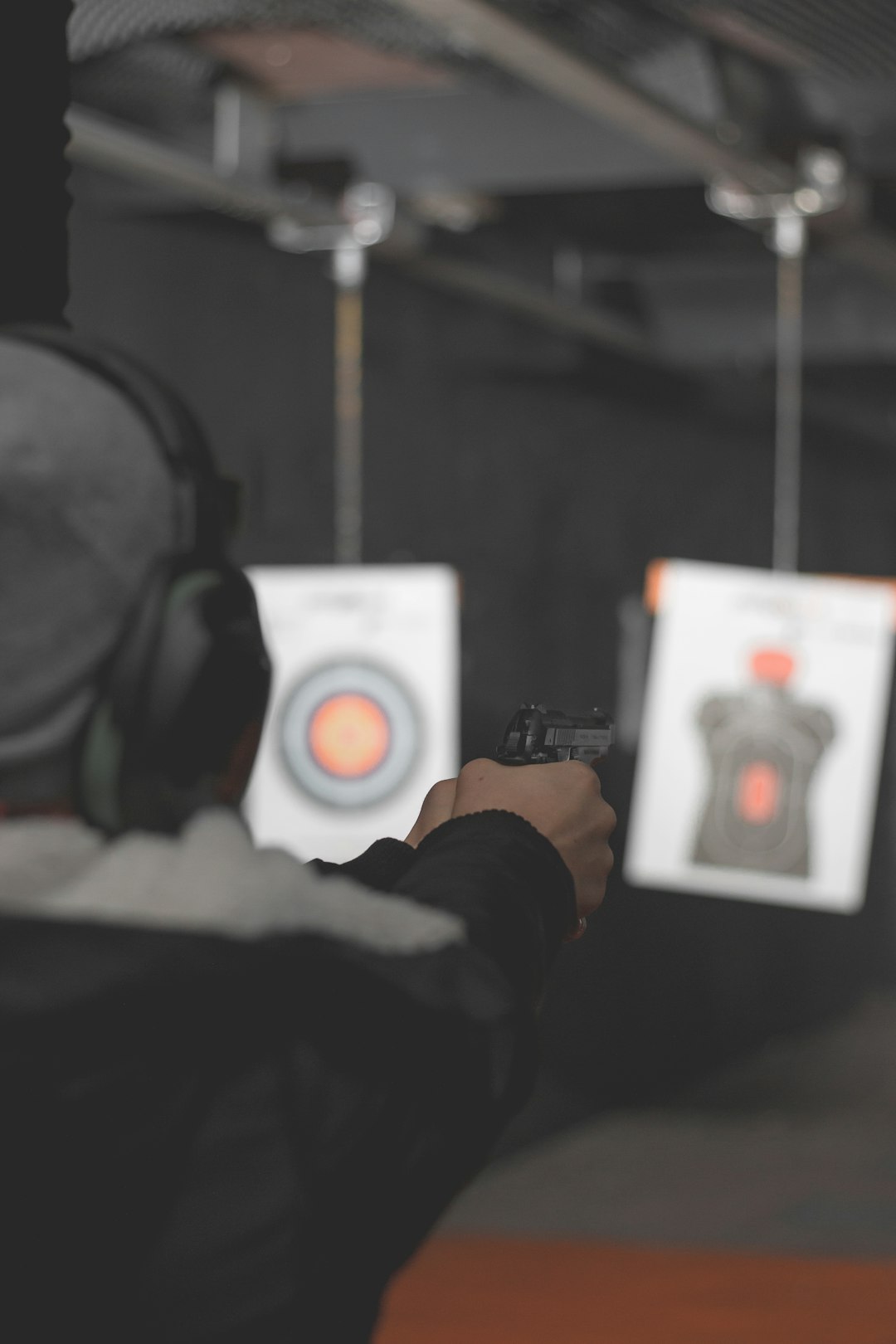
Hunter-Ed is usually the better pick for an official online safety certificate, while NRA material is better for broad firearm safety basics and personal education. A student who needs proof for hunter education should check Hunter-Ed first because it is built around state agency approval. A new gun owner who wants a simple safety refresher may find NRA resources useful, but certificate value varies by course.
TLDR: Hunter-Ed is best for learners who need a recognized hunter safety certificate, especially when a state lists it as an approved provider. NRA training is stronger for general firearm safety topics, but not every online option leads to an official certificate that a state, range, or permit office will accept. For example, a 16-year-old preparing for a first deer season may finish a state-approved Hunter-Ed course online, then print a certificate in minutes after passing. A new handgun owner may prefer NRA safety content first, then take an in-person class for live-fire practice.
Quick Comparison: NRA vs Hunter-Ed
- Best for official hunter education: Hunter-Ed
- Best for general gun safety learning: NRA
- Best for state-approved certificates: Usually Hunter-Ed, depending on the state
- Best for hands-on firearm handling: NRA instructor-led classes
- Best free option: Depends on state fees and course type
The phrase free online gun safety course with certificate sounds simple. It is not. The catch is that “free” often means free lessons, not always a free certificate. Some programs allow students to study without paying, then charge for the final exam or completion card. Others are free in one state and paid in another.
What Hunter-Ed Offers
Hunter-Ed is an online hunter education provider used by many state wildlife agencies. Its courses cover firearm safety, hunting laws, wildlife identification, ethics, survival, tree stand safety, and field judgment. It is aimed at people who want to hunt legally and safely.
The biggest strength is official acceptance. If a state wildlife agency approves Hunter-Ed, the certificate usually satisfies that state’s hunter education requirement. That matters. A certificate from a random free video course may look nice, but it may not help a student buy a hunting license.
Hunter-Ed tends to be structured. Lessons are divided into chapters. Students take quizzes. A final exam checks the basics. In many states, the student can print a temporary certificate after passing. Some states may still require a field day or in-person skills session, especially for younger students.
Honestly, it feels like the fee structure can be more annoying than the coursework. A learner may spend 20 minutes confirming whether the final card costs money in a specific state. That is not ideal, but it is still better than finishing the wrong course.
What NRA Online Training Offers
The National Rifle Association offers a wide range of firearm education. Some NRA materials focus on basic rules, safe handling, storage, shooting fundamentals, and responsible ownership. NRA training is widely known, and many local instructors teach NRA-based courses in person.
For pure firearm safety, NRA content can be useful. It often focuses on core habits that every gun owner should know: keep the muzzle pointed in a safe direction, keep fingers off the trigger until ready to shoot, keep firearms unloaded until ready to use, and know the target and what is beyond it.
The certificate issue is more mixed. Some NRA online courses may provide proof of completion, while others are informational. Certain NRA certifications may require instructor-led training or live-fire work. For a learner who needs a document for a permit, employer, range membership, or court requirement, acceptance must be checked before starting.
Image not found in postmetaCertificate Value: The Detail That Matters Most
A certificate is only useful if the person or agency asking for it accepts it. That is where many students waste time. A “gun safety certificate” can mean several things:
- Hunter education certificate for a hunting license
- Basic firearm safety certificate for personal records
- Concealed carry training proof for a permit
- Range safety certificate for a club or facility
- Instructor certification for teaching others
Hunter-Ed is usually tied to the first category. NRA training can fit several categories, but the exact course matters. A student should not assume one certificate works for all uses.
Which One Is Truly Free?
Free depends on the provider, the state, and the certificate. Hunter-Ed may offer free study materials in some places, but many state-approved online hunter education courses charge a fee for certification. Fees often fall in a modest range, though the exact cost changes by state.
NRA safety resources may be free when they are articles, videos, or basic education pages. Formal NRA courses, especially those tied to instructor involvement or live-fire training, may cost money. Local instructors set many class prices, so costs can vary a lot.
For anyone comparing both options, the better question is not “Which is free?” The better question is: “Which certificate will be accepted for the learner’s exact goal?”
When Hunter-Ed Is the Better Choice
Hunter-Ed is the stronger option when the student wants to hunt. It is also a good fit for families preparing teens for their first license. The format is clear, and state approval is the main selling point.
It works well for a user case like this: a 15-year-old student has two weeks before a youth hunting weekend. The family checks the state wildlife agency website, sees Hunter-Ed listed, and completes the online course. After passing with the required score, the student prints proof and books any required field day. That path is clean and practical.
When NRA Training Is the Better Choice
NRA training is often better for gun owners who want broader safety knowledge or plan to take live instruction later. It can also help new handgun, rifle, or shotgun owners learn a shared safety vocabulary before stepping onto a range.
The NRA route is also useful when a student wants discipline-specific training. Handgun basics, rifle fundamentals, shotgun basics, range safety, and instructor paths are all common interests. For real skill building, in-person practice still wins. Online lessons cannot check grip, stance, loading habits, or muzzle awareness in real time.

Recommended Pick
For a hunting license: Hunter-Ed is the safer first stop, but only through the official state-approved link.
For general firearm safety: NRA resources are a solid starting point, especially when paired with hands-on instruction.
For a free certificate: neither option should be trusted blindly. The student should confirm cost and acceptance before enrolling.
In short, Hunter-Ed wins for official hunter education. NRA wins for broad firearm safety learning and deeper training paths. The best choice depends on what the certificate must prove.
FAQ
Is there a free online gun safety course with a certificate?
Sometimes. Some courses offer free study materials, but charge for the certificate. Others may be free through a state, school, agency, or special program. Acceptance should be checked before starting.
Is Hunter-Ed accepted in every state?
No single rule applies everywhere. Hunter-Ed is accepted where the state wildlife agency approves it. Students should use the link from the official state agency site.
Does an NRA online course count for a hunting license?
Usually, a hunting license requires state-approved hunter education. NRA safety training may be useful, but it may not replace hunter education unless the state says it does.
Can online gun safety training replace live practice?
No. Online training can teach rules, terms, and safe thinking. It cannot correct physical handling errors. Live instruction is strongly recommended for new shooters.
Which certificate is better for concealed carry?
That depends on state law. Some states require specific concealed carry training. Others accept several course types. The applicant must check the permit authority’s rules before paying for any class.
Should a beginner choose NRA or Hunter-Ed first?
A future hunter should start with Hunter-Ed. A new gun owner who is not hunting may start with NRA safety material, then schedule a local class with a qualified instructor.