
The safest GLP-2.0 alternatives are tools that measure prompts, traces, cost, latency, quality, and user outcomes in one place. Teams should start with LangSmith, Langfuse, Arize Phoenix, Weights & Biases Weave, and Helicone. They cover most serious AI workflow needs without forcing every team into one closed system. Model use is rising fast, and Stanford’s 2024 AI Index reported that the cost of querying systems with GPT-3.5 level performance fell sharply from late 2022 to late 2023 [source: Stanford HAI].
TLDR: If you need a GLP-2.0 alternative, pick based on your main pain: tracing, evaluation, observability, cost control, or open-source flexibility. A support team handling 50,000 AI chat sessions per month could use Langfuse to track failed answers, Helicone to cut token spend by 15%, and Phoenix to inspect bad retrieval results. The best stack is often two tools, not one. Start small, test with real prompts, and keep the data easy to export.
What “GLP-2.0 alternative” should mean in practice
The phrase can mean different things. Some teams use it to describe a platform for testing LLMs. Others mean a workflow layer for prompts, agents, and data. Either way, the goal is the same: make AI systems measurable.
That means tracking:
- Prompt versions and model settings
- Latency by provider, model, and region
- Token cost per feature or customer
- Quality scores from humans or automated checks
- Failures, hallucinations, and bad retrieval results
Honestly, it feels like many AI tools still make the easy things hard. Exporting logs should not take half a day. Comparing two prompt versions should not need a custom spreadsheet. The five tools below solve those problems better than most.

1. LangSmith: best for LangChain teams
LangSmith is a strong choice for teams already using LangChain. It gives clean tracing for chains, agents, tools, and retrieval steps. You can see how an answer was built, where it failed, and how long each step took.
Its best feature is trace inspection. If an agent calls three tools and returns a weak answer, LangSmith shows the full path. That saves real debugging time. It also supports datasets and evaluations, which helps teams compare prompt versions before release.
Best for: product teams building LLM apps with LangChain.
Watch out for: less value if your stack does not use LangChain. You can still use it, but setup may feel less natural.
2. Langfuse: best open-source LLM observability option
Langfuse is one of the most practical GLP-2.0 alternatives for teams that want control. It is open source, supports tracing, prompt management, scoring, and cost tracking. It also works with common LLM providers and custom apps.
The appeal is simple. You can self-host it, inspect your own data, and avoid sending sensitive traces to yet another vendor. For regulated teams, that matters.
It drives me crazy that some observability tools hide basic pricing data behind sales calls. Langfuse is clearer than many here. That makes planning easier, especially for startups and internal AI teams.
Best for: teams that want open-source observability and prompt analytics.
Watch out for: self-hosting still needs care. Someone must own upgrades, storage, and access control.
3. Arize Phoenix: best for retrieval and evaluation work
Arize Phoenix is built for AI observability, with a strong focus on LLM tracing, retrieval quality, and evaluation. It is especially useful for RAG systems, where poor answers often come from bad chunks, weak ranking, or missing context.
Phoenix helps teams inspect embeddings, trace calls, and review where retrieval broke. That is valuable because many LLM failures are not model failures. They are data failures.
A useful workflow is simple. Log user questions. Check retrieved documents. Score answers. Flag weak cases. Then improve chunking, metadata, or ranking. This gives teams a repeatable loop instead of guesswork.
Best for: teams building RAG, search, and knowledge assistant tools.
Watch out for: it may be more analytical than some non-technical users expect.
4. Weights & Biases Weave: best for experiment tracking
Weights & Biases Weave is a good fit for machine learning teams that already use W&B. It tracks LLM calls, inputs, outputs, latency, cost, and evaluations. It also fits well with experiment workflows.
The main strength is comparison. You can test prompts, models, and pipelines side by side. That matters when teams need proof before switching models or shipping changes.
For example, a team might compare GPT-4o mini, Claude Haiku, and an open model on 1,000 support questions. Weave can help track accuracy, refusal rate, and cost per answer. That turns model choice into a measured decision.
Best for: ML teams that already manage experiments and model runs.
Watch out for: smaller product teams may find it bigger than they need.
5. Helicone: best for API cost and latency tracking
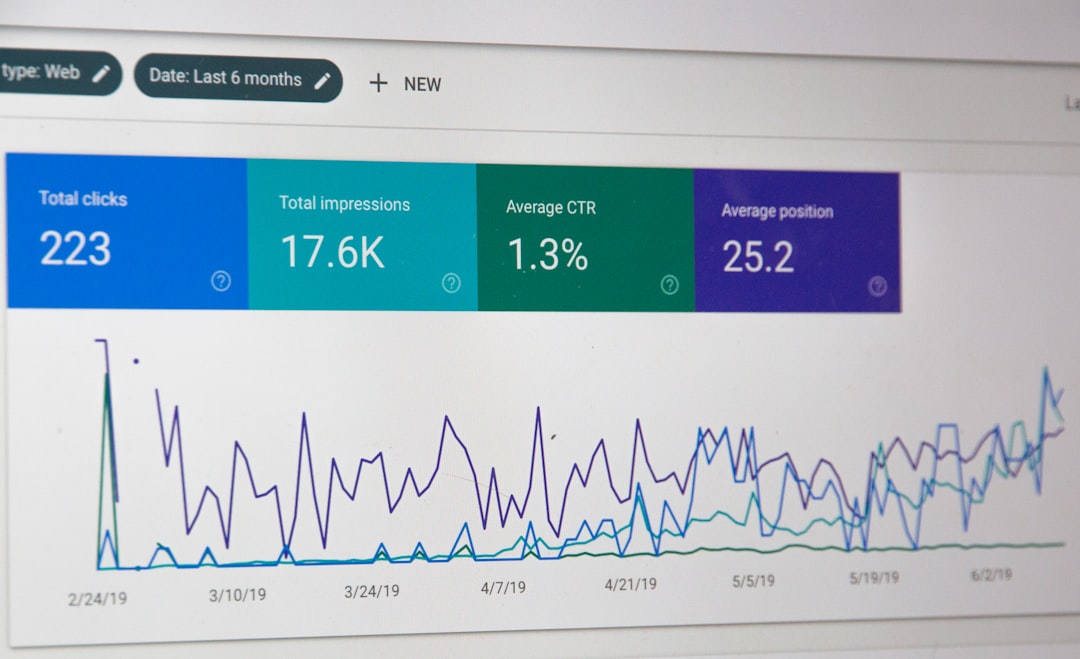
Helicone is a focused tool for monitoring LLM API traffic. It tracks requests, token usage, latency, cache activity, users, and cost. It works well when the main question is, “Where is our AI budget going?”
This is useful for SaaS products. You can see which customers or features burn the most tokens. You can also spot slow calls. If one route takes 4.8 seconds while another takes 1.2 seconds, the issue becomes visible fast.
Helicone is also practical for rate limits and debugging production traffic. Expect to waste time on setup if your request flow is unusual, but the daily reporting is worth it for many teams.
Best for: teams using LLM APIs at scale.
Watch out for: it is more observability-focused than evaluation-focused.
How to choose the right tool
- Choose LangSmith if LangChain is central to your app.
- Choose Langfuse if open source and data control matter most.
- Choose Phoenix if RAG quality is your weak spot.
- Choose Weave if your team runs structured experiments.
- Choose Helicone if cost, latency, and API logs are the priority.
A serious AI workflow needs more than model access. It needs records, tests, and clear failure signals. Pick the tool that answers your hardest question first. Then add more only when the data proves you need them.