
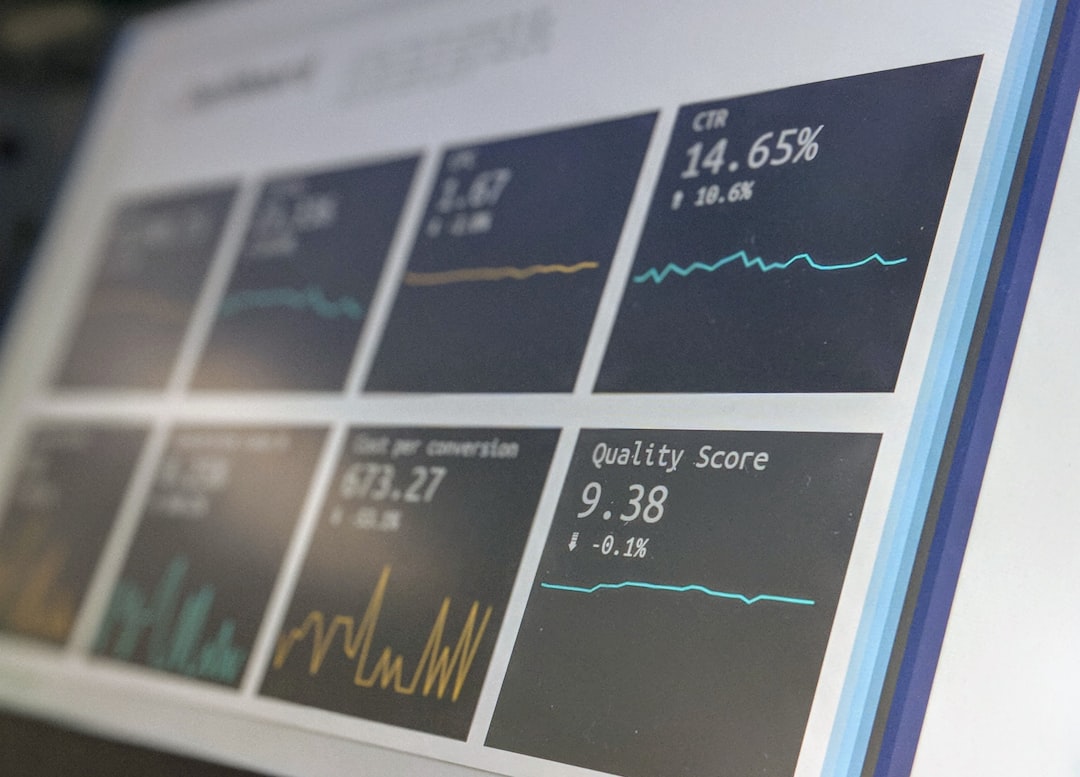
Pick SIEM for big picture logging, pick NDR for network threat hunting, and use both if attackers keep slipping through the cracks. SIEM is the busy library of security data. NDR is the guard dog watching traffic in real time. Both help. Neither is magic. And yes, both can make you mutter at your screen.
TLDR: A SIEM collects logs from servers, apps, cloud tools, and firewalls. NDR watches network traffic and spots weird behavior, like one laptop suddenly talking to 200 internal systems. For example, a 500-person company may cut alert review time by 35% when SIEM rules are cleaned up and NDR is used to confirm real network movement. If you have a small team, start with the tool that covers your biggest blind spot.
What is security monitoring, really?
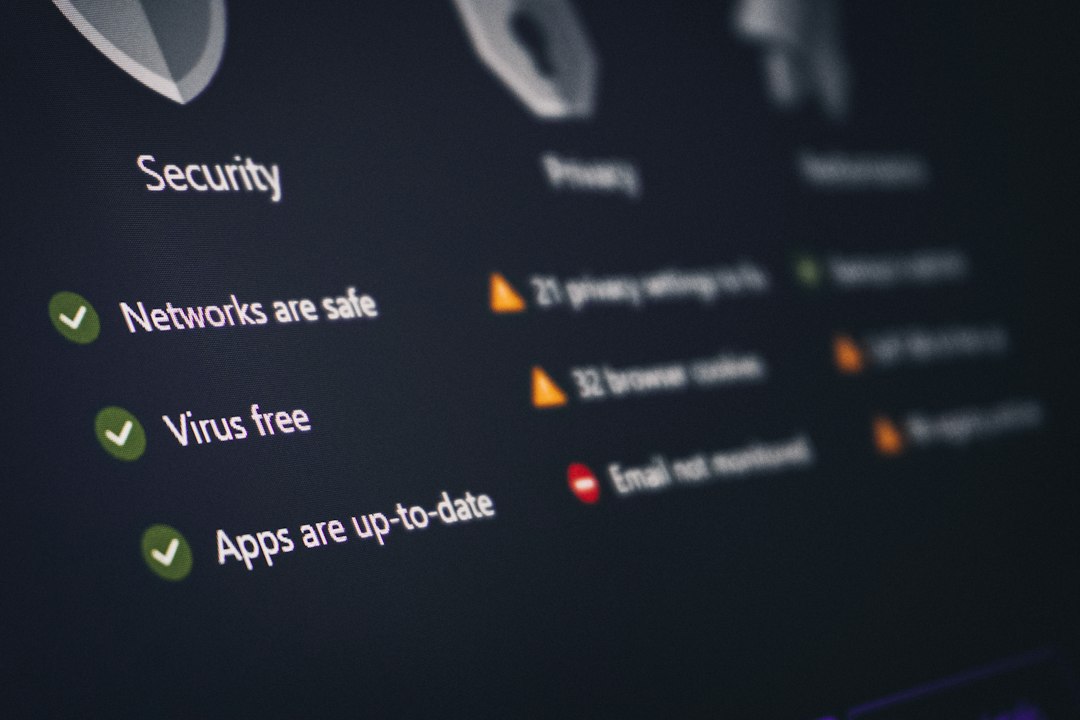
Security monitoring is your company’s burglar alarm, camera system, and nosy neighbor rolled into one. It watches your systems. It spots odd behavior. It tells humans when something smells wrong.
The goal is simple:
- Find attacks early.
- Reduce noise.
- Help teams respond fast.
- Prove what happened after an incident.
That last part matters. After a breach, everyone asks the same painful questions. Who got in? What did they touch? How long were they there? Good monitoring helps answer them without a panic spreadsheet festival.

SIEM: the giant security diary
SIEM means Security Information and Event Management. Fancy name. Simple idea. It gathers logs from many places and puts them in one place.
A SIEM may collect data from:
- Firewalls
- Servers
- Cloud services
- Identity tools
- Endpoint security tools
- Web apps
- Email systems
Then it searches for patterns. A user logs in from London, then Tokyo two minutes later. Weird. A service account starts downloading payroll files at 2:14 a.m. Also weird. A firewall blocks 10,000 connection attempts from one IP. Very weird.
SIEM is great for audit trails. It helps with compliance. It gives teams a central record of events. It also helps connect clues from different tools.
The catch is that SIEM can be noisy. Really noisy. You may get 900 alerts in a day and only 12 matter. That is not security. That is digital confetti.
SIEM also needs care. Rules must be tuned. Logs must be parsed. Storage costs can grow fast. Honestly, it feels like some SIEM setups punish you for collecting useful data. More logs can mean more cost, more noise, and more coffee.
NDR: the network traffic detective
NDR means Network Detection and Response. It watches traffic moving across your network. It does not care only about logs. It looks at behavior.
NDR asks questions like:
- Why is this printer talking to a database?
- Why is this laptop scanning the whole subnet?
- Why is a server sending data to a strange country?
- Why did traffic spike at 3 a.m.?
NDR is useful because attackers often move around after breaking in. This is called lateral movement. It is like a thief entering through a window, then checking every room. SIEM may see some door openings. NDR sees the thief walking down the hallway.
NDR shines when logs are missing. Some devices do not log well. Some attackers delete logs. Some cloud or legacy systems are just awkward. Network traffic can still tell a story.

SIEM vs NDR: the simple version
Think of SIEM and NDR as two friends at a mystery dinner.
SIEM reads every receipt, guest list, and message. It builds a timeline. It loves records.
NDR watches who moves where, who whispers to whom, and who leaves with a suspicious bag. It loves behavior.
| Area | SIEM | NDR |
|---|---|---|
| Main data | Logs and events | Network traffic |
| Best at | Correlation and reporting | Behavior and movement detection |
| Weak spot | Noise and setup work | Limited view of encrypted data |
| Common users | SOC teams and compliance teams | Threat hunters and incident responders |
Neither wins every fight. SIEM can miss attacks if the right logs are not collected. NDR can miss details if traffic is encrypted or outside its view. Together, they are much stronger.
When should you choose SIEM?
Choose SIEM if you need a central command center for logs. It is a strong fit when you have many systems and need one search box.
SIEM is also a good choice if you need:
- Compliance reporting, such as PCI, HIPAA, or ISO needs.
- Identity monitoring, like failed logins and risky access.
- Cloud log review across many services.
- Incident timelines after something bad happens.
Expect work. SIEM is not “plug it in and relax.” Bad rules waste time. Missing logs create blind spots. Poor naming makes searches feel like digging through a junk drawer with oven mitts on.
When should you choose NDR?
Choose NDR if you worry about attackers moving inside your network. It is great for finding strange traffic that tools often miss.
NDR is strong for:
- Detecting lateral movement
- Finding infected devices
- Spotting data theft
- Watching unmanaged devices
- Seeing odd internal connections
NDR is handy in mixed environments. Hospitals, factories, schools, and warehouses often have odd devices. Old scanners. Smart cameras. Lab machines. Badge readers. Some cannot run endpoint agents. NDR can still watch their traffic.
What about XDR?
XDR means Extended Detection and Response. It pulls data from endpoints, email, cloud tools, identity systems, and sometimes network sensors. It tries to connect alerts into one attack story.
XDR can be easier than a full SIEM. It often has built-in detections. It may respond faster because it is tied to security tools.
But there is a tradeoff. Some XDR platforms work best inside one vendor’s world. If your tools come from many companies, check integration details before buying. Sales slides always look smooth. Real setup often has more bumps.
Other security monitoring options
SIEM and NDR are not the only choices. Sometimes a simpler tool is better. Sometimes a service is better than software.
- EDR: Endpoint Detection and Response. It watches laptops, servers, and workstations.
- MDR: Managed Detection and Response. A provider watches alerts for you.
- SOAR: Security Orchestration, Automation, and Response. It automates common tasks.
- Cloud security monitoring: It watches cloud accounts, workloads, and storage.
- UEBA: User and Entity Behavior Analytics. It spots odd user and device behavior.
- Open source tools: Useful for small budgets, but they need skilled hands.
A quick user case
Meet Maya. She runs IT security for a 300-person finance company. Her team has three people. They use a SIEM, but alerts pile up. One Monday, the SIEM reports 420 failed logins. Annoying, but not rare.
Then NDR reports that one workstation scanned 80 internal systems in six minutes. That changed the story. The team checked the SIEM. The same user had a successful login from a new device. They isolated the workstation. They reset the account. They stopped the attack before files left the network.
SIEM had the identity clues. NDR had the movement clues. Together, they made the alert real.
How to pick without crying into your keyboard
Start with your biggest pain.
- If you cannot see logs across systems, start with SIEM.
- If you cannot see internal network movement, start with NDR.
- If you lack staff, consider MDR.
- If endpoints are your main worry, start with EDR.
- If you want fewer separate tools, review XDR.
Also ask a basic question. Who will run this thing on Tuesday at 9:00 a.m.? Buying is easy. Running is the hard part. A strong tool with no owner becomes shelfware with a login screen.
Practical final advice
Use SIEM for records, search, reporting, and event matching. Use NDR for traffic behavior, internal movement, and hidden devices. Add EDR for endpoints. Use MDR if your team is small or overloaded.
The best setup is not the fanciest one. It is the one your team can understand, tune, and use under stress. Keep alerts useful. Cut junk. Test often. And remember, security monitoring is not about watching everything. It is about seeing the right thing before it becomes a very expensive meeting.