
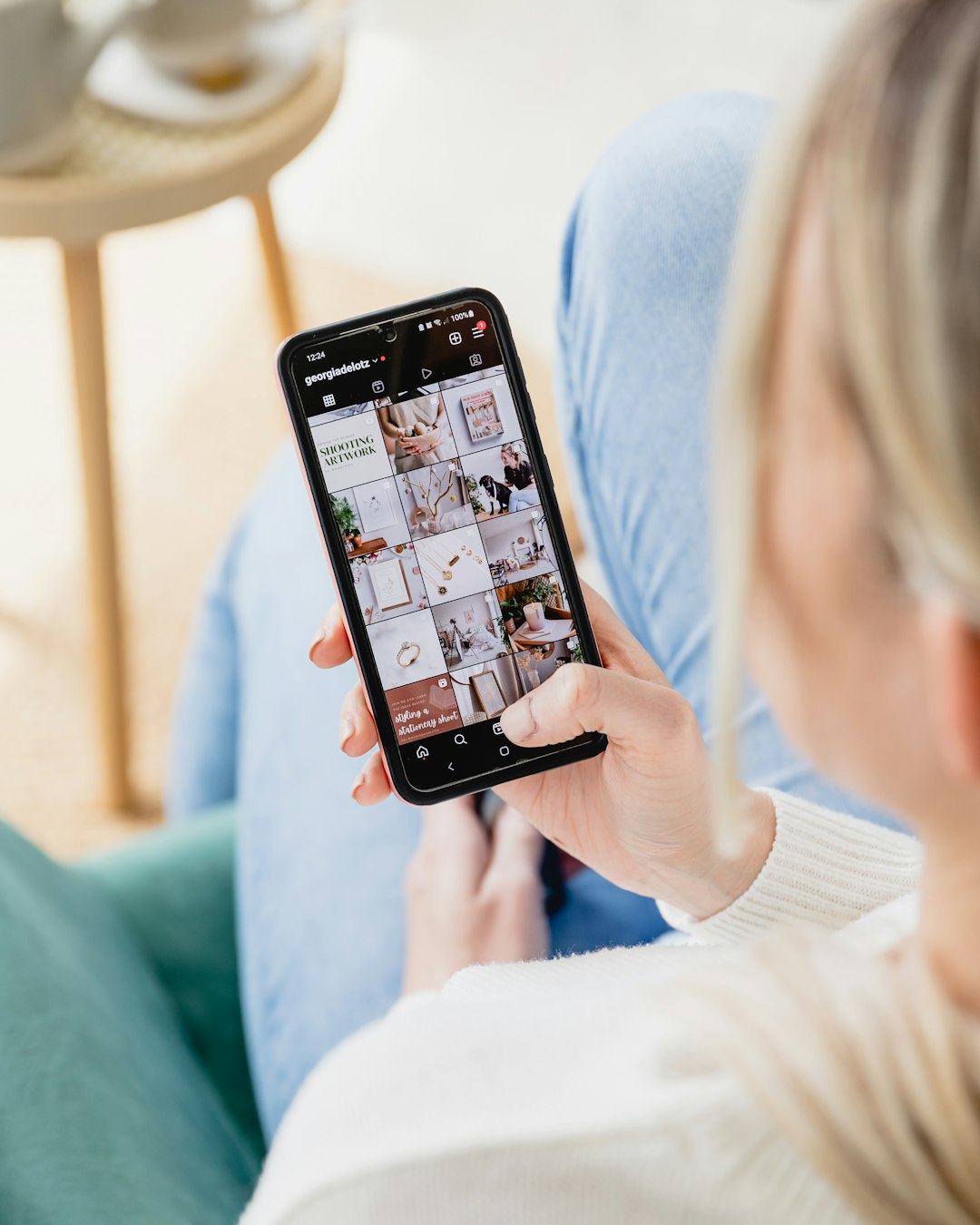
Choose Instagram first if your restaurant wins on visuals, foot traffic, younger guests, specials, and cravings; use Facebook to reach families, locals, event planners, older diners, and repeat guests. The smartest restaurant strategy is not “Instagram versus Facebook” as a battle. It is knowing which job each platform does best, then posting with a purpose.
TLDR: Instagram is better for mouthwatering food photos, Reels, chef moments, drinks, desserts, and fast discovery. Facebook is stronger for local community posts, events, reviews, menus, reservations, and longer updates. For example, a casual burger restaurant might spend 70% of its social effort on Instagram and 30% on Facebook, while a family Italian restaurant with catering and private events might flip that split. If 1,000 people see a Reel and 4% click through to view the menu, that is 40 potential guests from one short video.
Instagram sells the craving
Instagram is built for appetite. A glossy pasta pull, a sizzling steak, a latte pour, a chocolate cake slice, or a bartender shaking a cocktail can stop thumbs fast. That matters because restaurant decisions are often emotional. People do not always plan dinner with a spreadsheet. They see something delicious and think, “I want that tonight.”
Instagram works especially well for:
- Food photos that show texture, color, steam, sauces, and portion size.
- Reels featuring prep work, plating, behind the scenes clips, and staff energy.
- Stories for daily specials, sold out alerts, polls, and limited time offers.
- Influencer visits and tagged posts from happy customers.
- Visual identity, including the mood of your dining room, patio, bar, or bakery case.
For restaurants with strong plating, trendy menu items, stylish interiors, or a young crowd, Instagram should usually get more creative attention. Short video is the big play. A seven second Reel of a pizza being sliced can beat a polished ad if it hits at the right time.
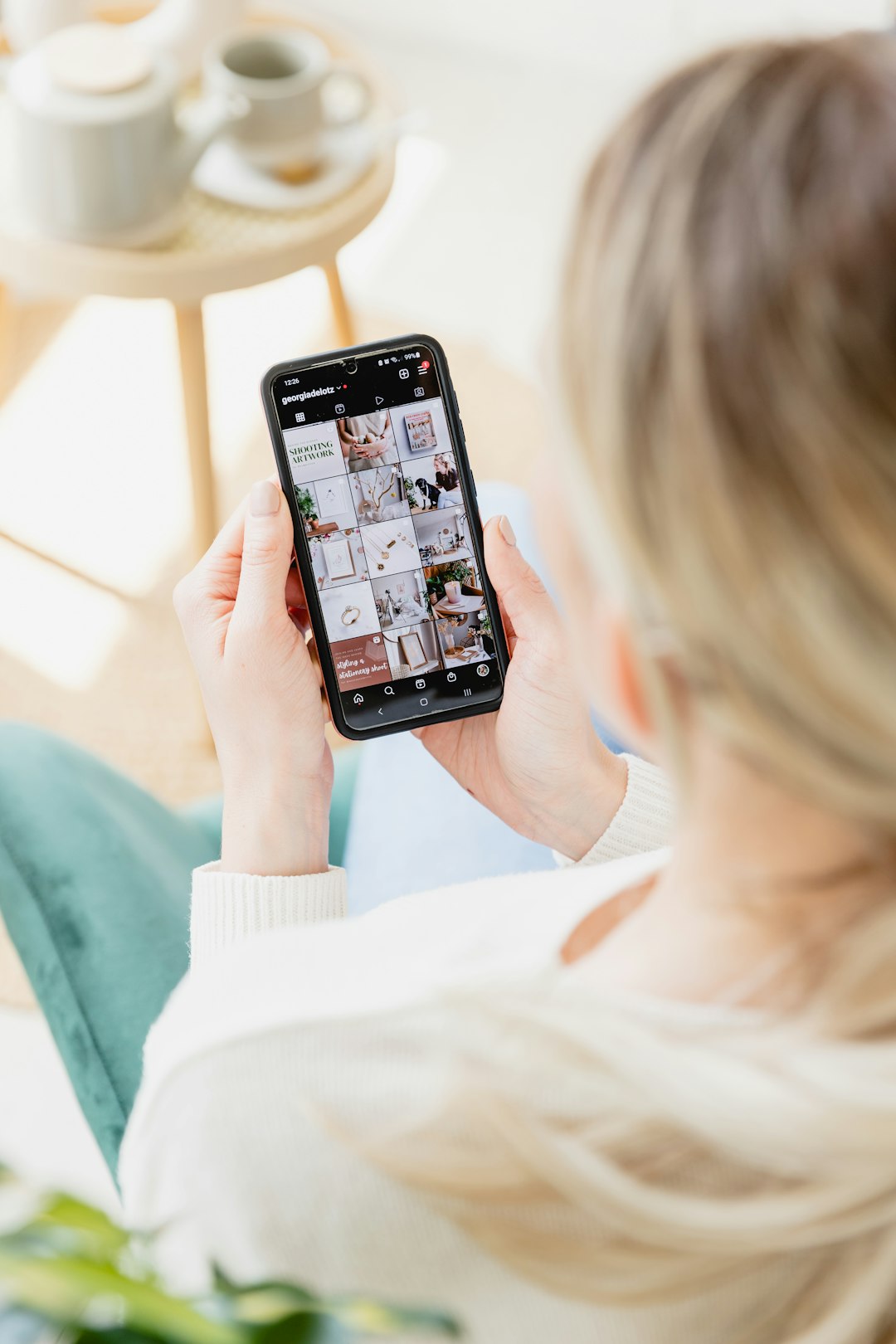
The catch is that Instagram can feel needy. You post a gorgeous photo, then it fades in a day. Reels often need captions, music, cropping, tags, and timing. Honestly, it feels like a simple dinner special can take 15 extra minutes to format if the video was shot the wrong way. Still, the reward can be worth it. Instagram is where food becomes desire.
Facebook sells trust and local action
Facebook is less flashy, but restaurants should not ignore it. Many diners still check Facebook pages for hours, menus, parking details, holiday updates, reviews, photos, and event posts. If your guests include parents, office workers, retirees, community groups, or people planning gatherings, Facebook can quietly drive real bookings.
Facebook is especially useful for:
- Events, such as wine dinners, trivia nights, live music, tastings, and brunch specials.
- Local groups, where neighborhood recommendations carry weight.
- Reviews and comments that build social proof over time.
- Longer posts about catering, private dining, staff stories, or new menu launches.
- Older demographics who may be ready to book, call, or reserve.
Facebook also performs well when a restaurant has news. A new patio opening. A Thanksgiving pre order menu. A fundraiser night. A chef collaboration. These posts need context, not just a pretty plate. Facebook gives you more room to explain the offer and answer questions in comments.
It drives me crazy that Meta’s tools can feel clunky when you only want to schedule one clean post. A menu update that should take two minutes sometimes turns into a hunt through tabs, previews, page roles, and broken image crops. Even so, Facebook remains useful because it is where many local customers already ask: “Is this place open?” or “Can we bring the kids?”
Which platform gets more diners through the door?
The honest answer depends on your concept, location, and audience. A sushi bar with dramatic plating may get more reach on Instagram. A neighborhood diner with loyal regulars may get more reactions and calls from Facebook. A wedding friendly bistro may need both: Instagram for romance, Facebook for planning details.
Use this quick split as a starting point:
- Trendy cafe, cocktail bar, bakery, sushi, pizza, brunch spot: 70% Instagram, 30% Facebook.
- Family restaurant, pub, diner, steakhouse, buffet: 50% Instagram, 50% Facebook.
- Catering company, event venue, private dining restaurant: 40% Instagram, 60% Facebook.
- Fine dining restaurant: 60% Instagram, 40% Facebook, with polished visuals and reservation focused posts.
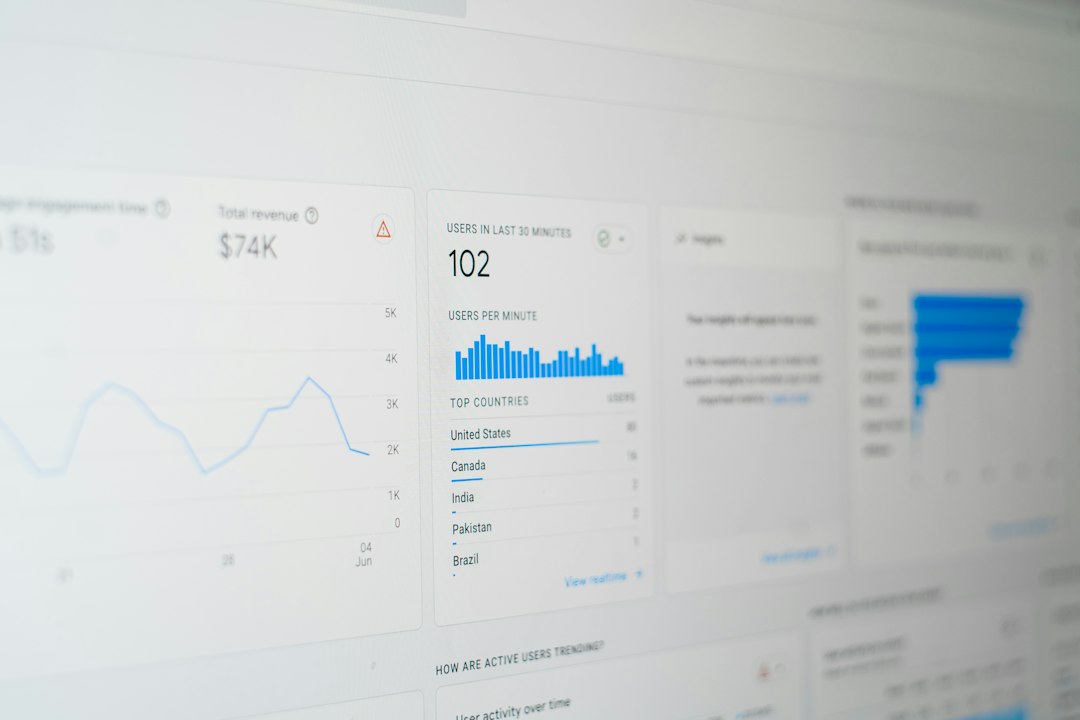
Do not judge success only by likes. Likes are nice. Bookings are better. Track profile visits, website clicks, direction taps, calls, reservations, coupon claims, direct messages, and comments with buying intent. A post with 28 likes and 12 reservation clicks is more valuable than a viral joke with no table traffic.
Content that works on Instagram
Instagram rewards sensory content. Show the food close up. Show hands. Show motion. Show the exact reason someone should visit today.
Try these formats:
- “Before and after” Reels: dough to pizza, beans to espresso, grill to plate.
- Three second hooks: “Our best seller for a reason” or “This sells out by 7.”
- Staff picks: servers naming their favorite dish.
- Menu close ups: one dish, one price, one reason to order it.
- Customer generated content: repost tagged Stories and thank guests by name.
Keep captions short, but useful. Mention the dish name, availability, location, and booking action. For example: “Short rib ravioli is back tonight from 5 pm. Reserve through the link in bio or walk in at the bar.”
Content that works on Facebook
Facebook posts can carry more detail. Use that space. People may be choosing a place for a birthday, office lunch, anniversary, or Saturday family dinner. They need answers.
Strong Facebook post ideas include:
- Weekly specials with prices, dates, serving times, and photos.
- Event pages for tastings, music nights, holiday meals, and community dinners.
- Reservation reminders for busy weekends and seasonal menus.
- Customer review screenshots with a thank you note.
- Local partnerships with farms, breweries, schools, charities, or musicians.
Facebook also gives your restaurant a familiar home base. Make sure the basics are correct: hours, address, phone number, menu link, booking link, parking info, and holiday closures. Nothing ruins social marketing faster than a hungry guest driving across town because your hours were wrong.
Paid ads: Instagram for impulse, Facebook for intent
Paid ads can work well for restaurants, but small budgets need focus. Instagram ads are great for visual impulse. Use them for new dishes, grand openings, limited menus, cocktails, desserts, and brunch. Facebook ads are better for local reach, events, catering, family deals, and reservation pushes.
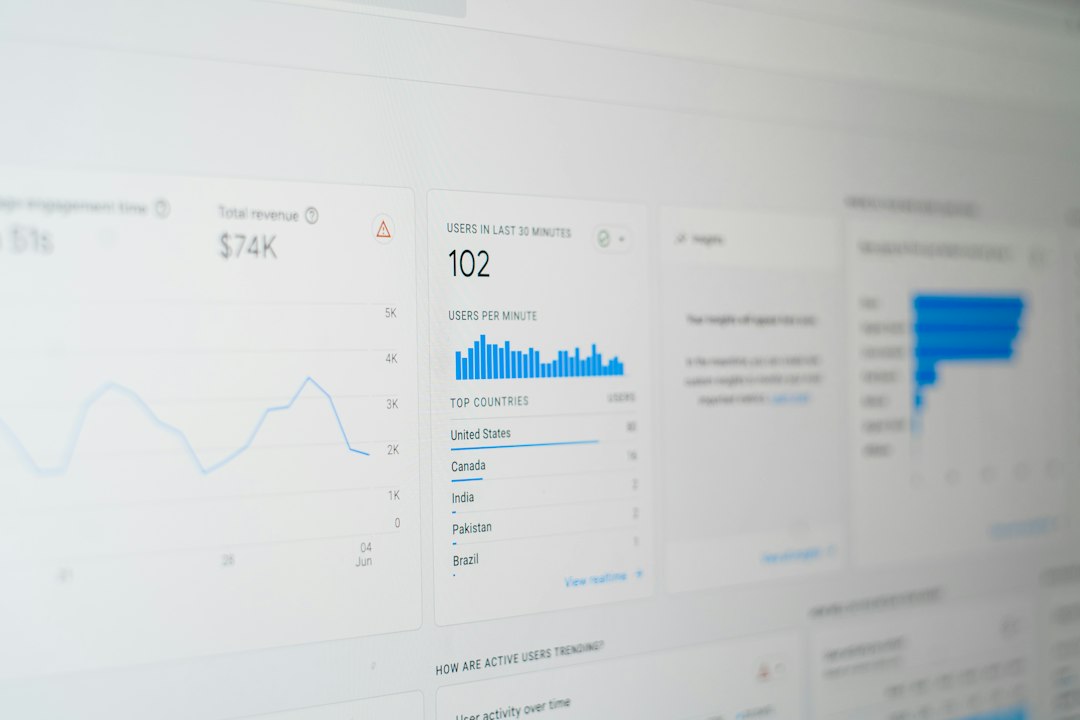
A simple test budget might be $300 for one month. Put $150 toward Instagram Reels and Stories promoting a signature dish. Put $150 toward Facebook ads promoting reservations or an event. Track cost per website click, booking, message, and call. After 30 days, shift budget toward the platform producing real guest actions, not just cheap views.
The best answer is usually both
Restaurants do not need to post everywhere all day. They need a clear rhythm. Post Instagram Reels two to four times per week if visuals are strong. Share Stories most days when there is something fresh to show. Post on Facebook two or three times per week with useful updates, events, and offers.
Repurpose, but do not copy blindly. A Reel of a burger stack may work on Instagram with a punchy caption. On Facebook, pair the same video with hours, price, location, and a reminder that takeout is available. Same asset. Different job.
Best rule: use Instagram to make people hungry and use Facebook to make them confident enough to visit. When those roles are clear, social media stops being random posting and starts becoming a steady source of tables, orders, and regulars.