

Software teams should treat Quality Assurance as the system that prevents defects and Quality Control as the inspection work that catches them. Jira, TestRail, and related tools support both sides, but they do not solve the same problem. Jira is strongest for planning, issue tracking, sprint work, and defect flow. TestRail is stronger for structured test case management, test runs, results, and coverage reporting.
TLDR: Jira helps teams manage work, bugs, releases, and development status, while TestRail helps testers manage test cases, execution, and proof of coverage. A 12-person product team running 400 regression tests per release may track 100% of defects in Jira but still need TestRail to show which 37 tests failed, which 18 were blocked, and which risk areas remain untested. Teams that rely only on Jira often save tool costs but lose test structure. Teams that connect Jira and TestRail usually get cleaner traceability from requirement to test to defect.
Quality Assurance vs Quality Control
Quality Assurance, or QA, is process focused. It asks whether the team is building software in a way that reduces risk before defects appear. QA covers planning, acceptance criteria, reviews, automation strategy, coding standards, test design, release gates, and continuous improvement.
Quality Control, or QC, is product focused. It checks whether the software works as expected. QC includes manual testing, automated test execution, exploratory testing, regression testing, performance checks, and defect reporting.
The difference matters because tools get misused when teams mix the two. Jira can support QA workflows through tasks, boards, approvals, and defect analysis. TestRail supports QC through test repositories, test plans, runs, milestones, and result history. Both can help software quality, but from different angles.

Where Jira Fits in Software Quality
Jira is usually the operational center for software teams. Product managers write stories. Developers track tasks. Testers report defects. Scrum masters watch sprint progress. Release managers check what is still open before launch.
For quality work, Jira is useful for:
- Bug tracking: defects can include severity, priority, environment, steps, screenshots, logs, and owner.
- Workflow control: teams can define statuses such as Open, In Progress, Ready for QA, Failed QA, and Done.
- Agile planning: stories, defects, and technical tasks can sit in the same sprint.
- Release checks: unresolved critical bugs can block a version.
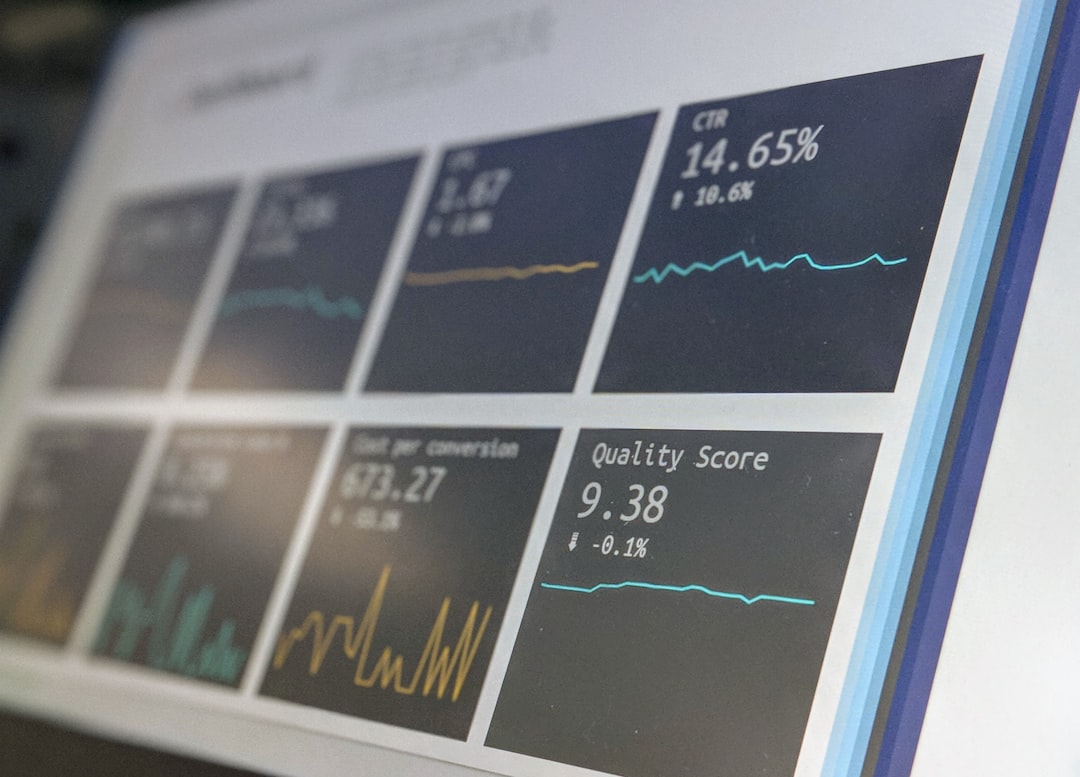
- Dashboards: teams can monitor defect aging, reopen rates, and sprint spillover.
Jira gets clumsy when it is forced to behave like a full test management system. Test cases can be stored as issues, but it feels awkward fast. A regression pack with 800 test cases becomes noisy. Bulk updates take too many clicks. Reusing test cases across releases can become a mess unless the team adds marketplace apps or strict naming rules.
Where TestRail Fits in Software Quality
TestRail is built for testers who need structure. It manages test cases, suites, runs, plans, milestones, and results. A QA lead can group tests by feature, risk, platform, or release. Testers can execute runs, mark results, attach evidence, and link failures to Jira issues.
TestRail is useful for:
- Reusable test cases: one test can be executed across many releases.
- Regression management: teams can build repeatable test runs instead of copying checklists.
- Coverage reporting: managers can see what passed, failed, was skipped, or was blocked.
- Audit evidence: regulated teams can show who tested what and when.
- Jira integration: failed tests can create or link to Jira defects.
Honestly, it feels like TestRail should make some admin tasks smoother. Large test suites can need cleanup, permissions may need careful setup, and reporting sometimes takes tuning before leadership gets the view it wants. Still, it gives QA teams far better test control than plain issue tracking.
Image not found in postmetaJira vs TestRail: The Practical Difference
The simplest comparison is this: Jira tracks work, while TestRail tracks testing. Jira answers, “What is being built, fixed, reviewed, and released?” TestRail answers, “What was tested, what failed, and what risk remains?”
| Area | Jira | TestRail |
|---|---|---|
| Main purpose | Issue and project tracking | Test case and test run management |
| Best for | Agile work, defects, sprint visibility | Regression, coverage, execution history |
| QA value | Workflow, accountability, release control | Test design, traceability, evidence |
| Weak spot | Poor native test case structure | Less useful for general development planning |
Other Tools for Managing Software Quality
Many teams use more than Jira and TestRail. The right mix depends on team size, compliance needs, automation level, and release frequency.
- Zephyr: A popular Jira-based test management option. It keeps testing close to development work but may feel crowded inside Jira for large suites.
- Xray: Strong for teams that want test management inside Jira with support for manual and automated testing.
- qTest: A heavier test management platform often used by larger enterprises with complex reporting needs.
- Azure DevOps: Useful when teams already use Microsoft tools for repos, pipelines, boards, and test plans.
- PractiTest: Good for traceability, exploratory testing, and broader QA visibility.
- Postman: Helpful for API testing and collections that support QC at the service layer.
- Selenium, Playwright, and Cypress: Automation tools that execute checks but still need reporting, ownership, and defect flow.
How Teams Should Choose
A small startup may begin with Jira only. That can work when there are few test cases and releases are simple. Once regression grows, the cracks show. Testers start using spreadsheets. Failed tests get buried in comments. Managers ask for coverage reports that no one can produce without manual counting.
A mid-size team often benefits from Jira plus TestRail or Jira plus Xray. Jira remains the source for stories and bugs. The test tool becomes the source for cases, runs, and evidence. This split reduces confusion.
Regulated teams should care even more about traceability. Healthcare, finance, insurance, and security-focused software often need records. They may need to show that a requirement had tests, those tests were executed, defects were resolved, and approvals happened before release.
Recommended Setup
A balanced quality setup usually looks like this:
- Requirements and stories in Jira.
- Test cases and test runs in TestRail, Xray, Zephyr, or qTest.
- Defects created or linked in Jira.
- Automation results connected to the test tool or CI pipeline.
- Dashboards showing defect trends, pass rates, blocked tests, and release risk.
This gives QA and QC clear roles. QA improves the process. QC checks the product. Jira coordinates the work. TestRail and similar tools prove what was tested.
FAQ
Is Jira a QA or QC tool?
Jira supports both, but it is mainly a work and issue tracking tool. It helps QA through workflows and process control. It helps QC through defect tracking.
Is TestRail better than Jira for testing?
For structured test management, yes. TestRail is better for test cases, runs, results, and coverage. Jira is better for planning, bugs, and team workflows.
Can a team use Jira without TestRail?
Yes. Small teams can manage simple testing in Jira. As test volume grows, a dedicated test management tool usually saves time and reduces reporting gaps.
What is the best Jira test management add-on?
Xray and Zephyr are common choices. Xray is often favored for deeper test management inside Jira. Zephyr is widely used and easier for many teams to adopt.
What metrics should quality teams track?
Useful metrics include test pass rate, defect escape rate, reopen rate, blocked tests, automation stability, defect age, and requirements coverage.