
B2B PPC can feel like fishing in a very serious pond. Everyone wears a badge. Everyone has a budget. And nobody wants to click unless the bait is good. The good news? With the right strategy, paid ads can bring you leads that actually talk to sales.
TLDR: B2B PPC works best when you target the right people, send them to focused landing pages, and offer something useful. Do not chase every click. Chase the clicks that can become pipeline. Test often, track deeply, and help sales follow up fast.
Start With the Right Goal
Not every PPC campaign should aim for a sale right away. In B2B, the buying journey is often long. Very long. Like “three meetings and a spreadsheet” long.
So first, choose the goal. Do you want:
- Demo requests from ready buyers?
- Content downloads from early researchers?
- Webinar signups from curious teams?
- Free trial users for your software?
- Quote requests from high intent prospects?
Each goal needs a different ad, offer, and landing page. A CFO who wants pricing is not the same as a manager reading a guide at lunch. Treat them differently.
Know Your Ideal Customer
This part sounds basic. It is also where many campaigns go to nap.
Before you spend money, define your best customer. Not “companies with money.” That is not a strategy. That is a wish.
Build a simple profile:
- Industry: Who needs your solution most?
- Company size: Ten people or ten thousand?
- Job titles: Who clicks? Who approves?
- Pain points: What problem keeps them annoyed?
- Buying trigger: Why now?
Once you know this, targeting gets sharper. Your ads stop shouting into the void. They start tapping the right people on the shoulder.

Use Search Ads for High Intent Leads
Search ads are great because people are already looking. They have a problem. They typed it into Google. That is a tiny cry for help.
Focus on keywords with buying intent. These often include words like:
- software
- platform
- solution
- service
- pricing
- demo
- vendor
For example, “project management tips” may bring readers. But “enterprise project management software demo” may bring buyers. See the difference? One is browsing. One is raising a hand.
Also use negative keywords. These block bad traffic. If you sell premium B2B software, you may want to exclude words like free, jobs, template, or definition. Unless those terms fit your funnel, of course.
Make LinkedIn Ads Work Harder
LinkedIn is the fancy conference hall of PPC. It can be expensive. But the targeting is powerful.
You can target by job title, industry, company size, skills, seniority, and more. That is gold for B2B.
Try these LinkedIn campaign ideas:
- Promote a strong guide to managers in your niche.
- Run demo ads to directors and VPs.
- Retarget website visitors with proof, like case studies.
- Use conversation ads for event invites or personalized offers.
Keep your copy clear. No buzzword soup. People do not wake up thrilled to “unlock synergy.” They want to save time, cut costs, avoid risk, or look smart in the next meeting.
Create Offers People Actually Want
A weak offer makes even a great ad sad.
In B2B, people are careful with their contact info. They do not hand over an email for a fluffy PDF called “The Future of Everything.” Give them something useful.
Strong PPC lead magnets include:
- ROI calculators
- Industry benchmark reports
- Buyer checklists
- Comparison guides
- Templates
- Webinars with experts
- Free audits
The best offers solve a small problem fast. They also connect to your product. If your offer attracts the wrong crowd, your sales team will sigh loudly. Nobody wants that.

Build Landing Pages That Do One Job
Your landing page should not be a maze. It should be a slide. Visitors land. They understand. They act.
Keep the page focused on one offer. Remove extra links if needed. Make the headline match the ad. This helps people feel they are in the right place.
A strong landing page includes:
- A clear headline that states the value.
- A short subheading that explains the offer.
- Bullets that show what they get.
- Social proof like logos, reviews, or stats.
- A simple form with only needed fields.
- A strong call to action like “Book My Demo.”
Do not ask for too much too soon. If the offer is a simple checklist, you may only need name, work email, and company. If it is a demo request, more fields can make sense.
Segment Campaigns by Funnel Stage
Not every lead is ready to buy today. Some are learning. Some are comparing. Some are ready to sign if the pricing makes sense.
Segment your PPC campaigns by funnel stage:
- Top of funnel: Guides, reports, and educational content.
- Middle of funnel: Webinars, comparison pages, and case studies.
- Bottom of funnel: Demos, trials, audits, and quote requests.
This makes your message fit the moment. It also helps you avoid pushing too hard. Asking a first-time visitor to “talk to sales” can feel like proposing marriage on the first date.
Use Retargeting Like a Friendly Reminder
Most visitors will not convert on the first click. That is normal. They get distracted. A meeting starts. A dog barks. A spreadsheet attacks.
Retargeting brings them back. Show ads to people who visited key pages but did not convert. You can also retarget content downloaders with a demo offer later.
Smart retargeting ideas include:
- Show case studies to visitors of product pages.
- Show demo ads to pricing page visitors.
- Show webinar invites to blog readers.
- Show comparison content to competitor page visitors.
Keep frequency under control. You want to remind people. You do not want to follow them around the internet like a haunted banner ad.
Track More Than Form Fills
Form fills are nice. Revenue is nicer.
Many B2B PPC teams stop tracking too early. They count leads, then celebrate. But not all leads are equal. Some are perfect. Some are students. Some are named Mickey Mouse from a company called Nope Inc.
Track deeper metrics like:
- Cost per qualified lead
- Lead to opportunity rate
- Pipeline generated
- Cost per opportunity
- Closed revenue
- Return on ad spend
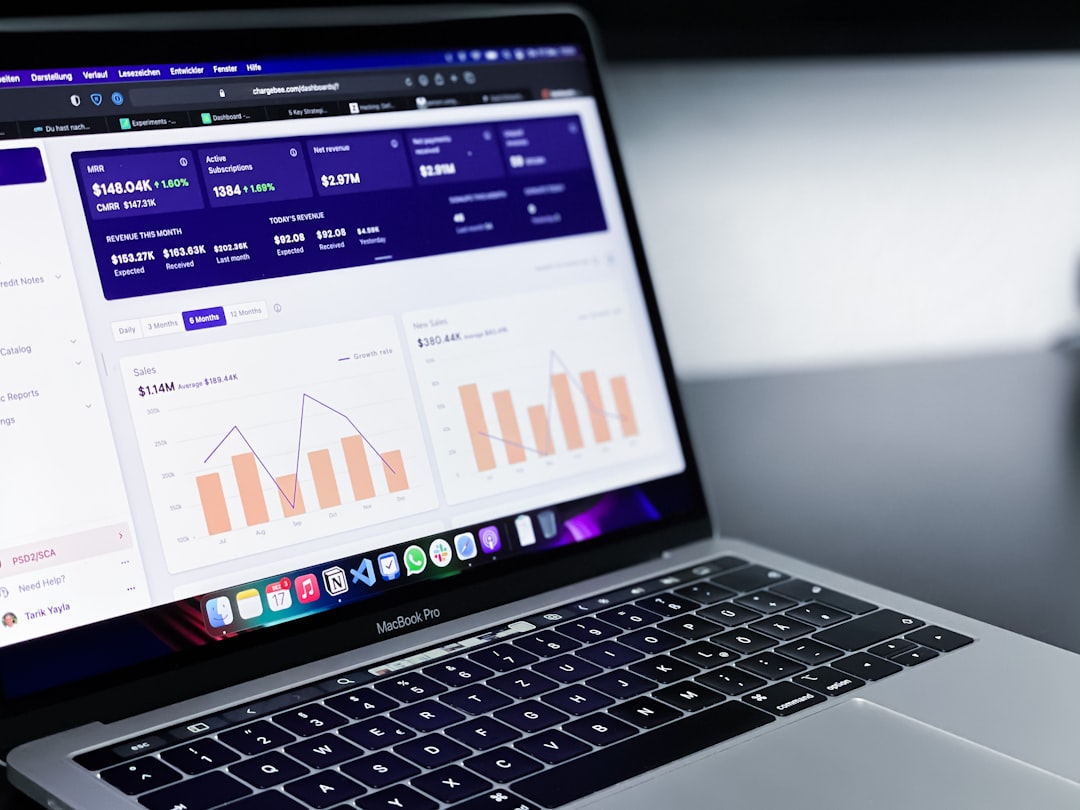
Connect your ad platforms to your CRM. Pass campaign data into sales tools. This helps you see which keywords, ads, and offers create real business. Not just pretty charts.
Align PPC With Sales
PPC and sales should be teammates. Not strangers waving from different buildings.
Sales can tell you which leads are good. They know the objections. They hear the real words buyers use. Use that feedback in your ads.
Ask sales:
- Which leads are most likely to close?
- Which industries move fastest?
- What questions come up on calls?
- Which competitors appear most often?
- What content would help deals move forward?
Also make follow-up fast. A demo lead gets cold quickly. If someone asks to talk, do not wait three days. That is how leads wander into a competitor’s calendar.
Test Small, Then Scale
PPC loves testing. Small tests prevent big money bonfires.
Test one thing at a time when possible. Try different headlines. Try new offers. Test landing page forms. Test audience segments. Then keep what works.
Good things to test include:
- Ad headlines
- Calls to action
- Landing page layouts
- Lead magnet topics
- Bidding strategies
- Audience filters
Do not panic after one slow day. B2B data can take time. Look for patterns. Give tests enough traffic. Then make smart changes.
Final Thoughts
B2B PPC lead generation is not about getting the most clicks. It is about getting the right clicks. The ones from people with real problems, real authority, and real budgets.
Start with your ideal customer. Match your offer to their stage. Build clean landing pages. Track the full journey. And keep testing.
Do that, and PPC stops feeling like a slot machine. It becomes a system. A very useful system that feeds your pipeline and makes your sales team smile. Maybe even loudly.