

Pay-per-click advertising can feel like a machine with hundreds of moving parts: keywords, bids, landing pages, audiences, budgets, tracking, ad copy, and reporting. A high-performing PPC campaign is rarely the result of one clever headline or one perfect keyword. It comes from disciplined management, consistent testing, and a checklist-driven approach that keeps every important detail under control.
TLDR
A strong PPC management checklist helps you launch, monitor, and optimize campaigns with fewer mistakes and better results. Focus on clear goals, accurate tracking, relevant keywords, persuasive ads, optimized landing pages, and regular performance reviews. The best campaigns are not “set and forget”; they are continuously refined based on data, user behavior, and business priorities.
1. Start With Clear Campaign Goals
Before touching keywords or budgets, define what success looks like. Are you trying to generate leads, sell products, drive calls, increase store visits, or build awareness? Each goal requires a different campaign structure, bidding strategy, and measurement plan.
For example, a lead generation campaign may focus on cost per lead and form submissions, while an ecommerce campaign may prioritize return on ad spend and average order value. Without a clear goal, optimization becomes guesswork.
- Primary goal: conversions, sales, leads, calls, or traffic
- Target metric: CPA, ROAS, conversion rate, or revenue
- Budget limit: daily, monthly, and campaign-level budgets
- Timeline: launch date, testing period, and review cadence
2. Confirm Conversion Tracking Is Accurate
Tracking is the foundation of PPC management. If conversion data is incomplete or incorrect, every decision becomes unreliable. Make sure tracking tags, pixels, analytics goals, call tracking, and ecommerce events are installed and firing properly.
Test conversions manually before launch. Submit a form, complete a purchase, click a phone number, or trigger the specific action you want to measure. Then confirm that the conversion appears in your ad platform and analytics dashboard.
Never scale a campaign until you trust the data. A campaign with weak tracking may look profitable when it is not, or appear underperforming when it is actually generating valuable results.
3. Build a Logical Campaign Structure
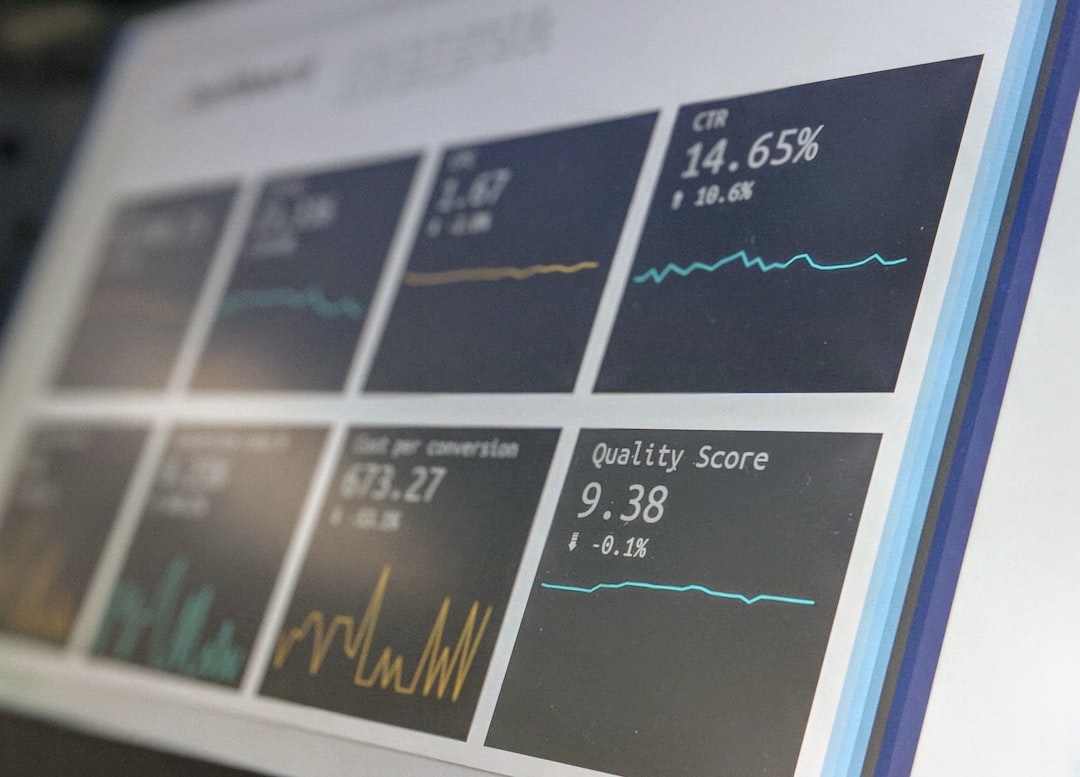
A clean campaign structure makes PPC easier to manage and optimize. Group campaigns by objective, product category, location, audience, or funnel stage. Within each campaign, organize ad groups around tightly related keyword themes.
This structure improves ad relevance, quality scores, reporting clarity, and budget control. If one campaign contains too many unrelated products or services, your ads may become generic and your performance data harder to interpret.
- Separate branded and non-branded campaigns to measure true acquisition performance.
- Group similar keywords so ads can closely match search intent.
- Use separate campaigns for different locations if performance or budget varies by region.
- Divide prospecting and remarketing to evaluate new versus returning users.
4. Use Keyword Research With Intent in Mind
Keyword volume is useful, but intent is more important. A keyword with fewer searches may produce better results if it signals strong buying interest. For instance, someone searching “emergency plumber near me” is usually much closer to converting than someone searching “how plumbing works.”
Your keyword checklist should include a mix of:
- High-intent transactional keywords for users ready to act
- Commercial investigation keywords such as “best,” “pricing,” or “reviews” terms
- Brand keywords to protect your name and capture warm demand
- Competitor keywords only if they align with your strategy and budget
Also maintain a strong negative keyword list. Negative keywords prevent your ads from showing for irrelevant searches, saving budget and improving overall campaign efficiency.
5. Write Ads That Match Search Intent
Great PPC ads are specific, relevant, and action-oriented. They should reflect what the user searched for, highlight a clear benefit, and guide the user toward the next step. Avoid vague claims like “best service” unless you support them with something concrete.
Strong ad copy often includes:
- A direct match to the user’s need
- A compelling value proposition, such as fast delivery, free consultation, or transparent pricing
- Trust signals, including ratings, years of experience, guarantees, or certifications
- A clear call to action, such as “Get a Quote,” “Book Today,” or “Shop Now”
Run multiple ad variations and allow enough data to determine winners. Testing one headline or call to action at a time makes results easier to understand.

6. Optimize Landing Pages for Conversions
Your ad gets the click, but your landing page earns the conversion. If the page is slow, confusing, or mismatched with the ad promise, users will leave quickly. A good landing page should continue the conversation started by the ad.
Check these essentials:
- Message match: The headline should reflect the ad and keyword theme.
- Fast load speed: Mobile users are especially impatient.
- Simple layout: Remove distractions and focus attention on the desired action.
- Visible call to action: Forms, buttons, and phone numbers should be easy to find.
- Trust elements: Reviews, testimonials, guarantees, security badges, or case studies can reduce hesitation.
A higher conversion rate can be as powerful as a lower cost per click. Improving your landing page means you get more value from the traffic you already pay for.
7. Set Smart Budgets and Bids
Budget management is more than choosing a daily spend. You need to allocate money where it has the highest chance of producing returns. Start with enough budget to gather meaningful data, but avoid spreading it too thin across too many campaigns.
When reviewing bids, consider device, location, audience, time of day, and keyword performance. Some segments may deserve higher bids because they convert better, while others may need reductions or exclusions.
Automated bidding can be effective, especially when the campaign has enough conversion data. However, automation still requires human oversight. Review whether the bidding strategy aligns with your actual business goals, not just platform recommendations.
8. Monitor Search Terms and Audience Data
The search terms report is one of the most valuable tools in PPC management. It shows what users actually typed before clicking your ads. Review it regularly to find new keyword opportunities and irrelevant queries that should be excluded.
Audience data can also reveal meaningful patterns. You may discover that certain demographics, remarketing lists, in-market audiences, or customer segments convert at much higher rates. Use those insights to refine targeting and adjust bids.
9. Review Performance on a Consistent Schedule
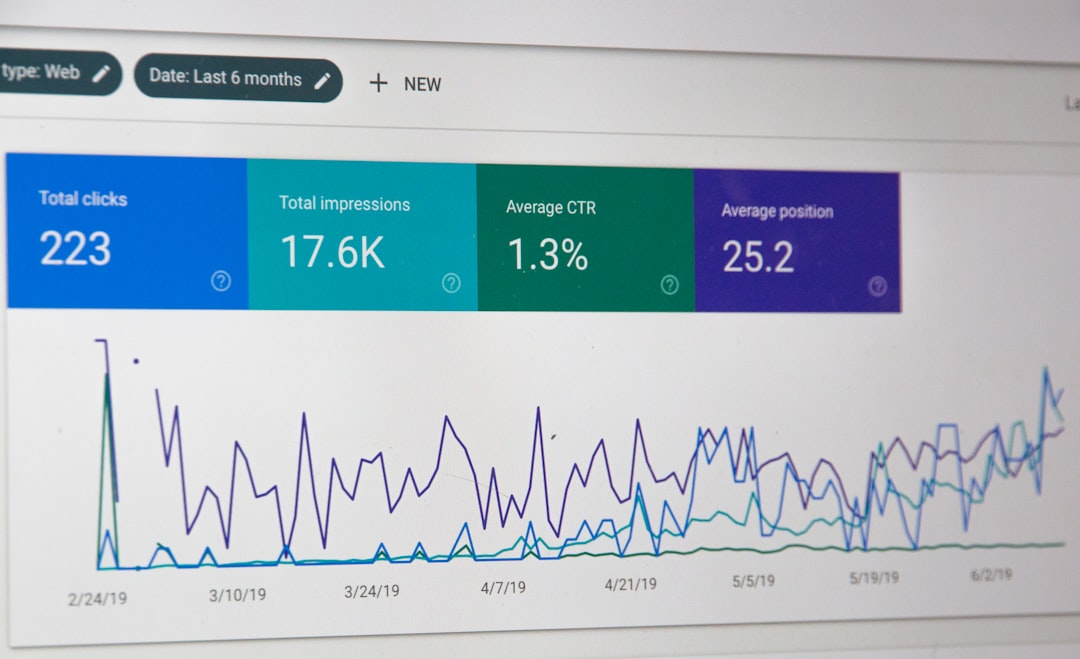
High-performing campaigns are managed with rhythm. Daily checks may be necessary for larger budgets, while smaller campaigns may need weekly reviews. The goal is to catch problems early without overreacting to normal fluctuations.
Your performance review should include:
- Spend pacing: Are campaigns spending too quickly or too slowly?
- Conversion volume: Are leads or sales increasing, decreasing, or holding steady?
- Cost efficiency: Is CPA or ROAS moving in the right direction?
- Click quality: Are search terms, placements, or audiences relevant?
- Ad performance: Which messages are generating the best engagement and conversions?
10. Document Insights and Next Actions
Great PPC managers do not simply make changes; they record why changes were made. Documentation helps you understand what worked, what failed, and what should be tested next. This is especially useful when multiple people manage the same account or when results fluctuate over time.
Keep a simple optimization log with dates, changes, reasons, and outcomes. Over time, this creates a valuable history of campaign learning. It also prevents repeating the same tests without realizing they were already completed.
Final PPC Management Checklist
- Define campaign goals and success metrics.
- Verify conversion tracking before launch.
- Organize campaigns and ad groups logically.
- Research keywords based on intent, not just search volume.
- Add and maintain negative keywords.
- Write relevant ads with strong calls to action.
- Align landing pages with ad promises.
- Monitor budgets, bids, devices, locations, and schedules.
- Review search terms and audience performance regularly.
- Document tests, changes, and results.
PPC success is built through consistent improvement. A checklist keeps your campaigns focused, measurable, and adaptable. When you combine strategic planning with disciplined optimization, your paid search campaigns become more than traffic generators; they become reliable engines for business growth.