

A strong marketing plan gives an organization a clear path from ambition to action. Instead of relying on scattered campaigns, guesswork, or last-minute promotions, a marketing agenda helps teams define priorities, allocate resources, and measure progress. When built thoughtfully, it connects customer insight, brand positioning, channels, budgets, timelines, and performance metrics into one practical roadmap.
TLDR: An effective marketing plan begins with clear business goals, a deep understanding of the target audience, and a focused market position. It should include channel strategies, budgets, timelines, responsibilities, and measurable performance indicators. The best marketing agenda remains structured enough to guide execution but flexible enough to adapt when customer behavior, market conditions, or campaign results change.
What Is a Marketing Agenda?
A marketing agenda is the organized framework that guides a company’s marketing activities over a specific period. It can cover a quarter, a year, or a major product launch. Unlike a simple campaign checklist, it explains why marketing actions are needed, who they are meant to reach, how they will be executed, and what success should look like.
For growing businesses, a marketing agenda prevents wasted effort. For established companies, it keeps departments aligned. Sales, product, customer service, leadership, and creative teams can all work from the same priorities rather than operating in separate directions.

1. Start with Business Objectives
Every effective marketing plan begins with the broader business goals. Marketing should support measurable outcomes, not exist as a collection of disconnected activities. A company may want to increase revenue, enter a new market, improve customer retention, launch a product, or strengthen brand awareness.
These goals should be translated into specific marketing objectives. For example:
- Increase qualified leads by 25% within six months.
- Improve website conversion rates from 2% to 4% by the end of the quarter.
- Grow brand awareness among a new regional audience.
- Increase repeat purchases through email and loyalty campaigns.
Clear objectives allow decision-makers to prioritize the right activities and avoid spending time on tactics that do not support the company’s strategy.
2. Understand the Target Audience
A marketing agenda becomes stronger when it is built around real customer insight. The target audience should be defined beyond basic demographics. While age, location, income, and job title may be useful, marketers also need to understand motivations, pain points, objections, buying triggers, and preferred communication channels.
Useful audience research may include customer interviews, surveys, website analytics, sales team feedback, social media listening, and competitor reviews. This information can be organized into buyer personas that describe the most important customer groups.
For instance, a software company may identify one persona as a time-poor operations manager who values efficiency and proof of return on investment. Another persona may be a technical user who focuses on features, integrations, and reliability. Each persona requires different messages, content, and sales support.
3. Analyze the Market and Competition
Before selecting tactics, a business should examine its competitive environment. A simple market analysis can reveal opportunities, threats, gaps, and positioning advantages. This may include reviewing competitor pricing, messaging, content, advertising, customer reviews, search visibility, and social media presence.
A useful marketing agenda often includes a summary of the company’s strengths, weaknesses, opportunities, and threats. This helps teams make smarter strategic choices. If competitors dominate paid search, for example, a company may invest more heavily in organic content, partnerships, or niche positioning. If the market is crowded with similar claims, stronger brand storytelling may become a priority.

4. Define Positioning and Key Messages
Positioning explains how a company wants to be perceived in the customer’s mind. It should answer a simple question: Why should the customer choose this brand instead of another?
Strong positioning is specific, relevant, and believable. It may be based on quality, speed, expertise, affordability, innovation, customer service, sustainability, or specialization. Once positioning is clear, the marketing agenda should include core messages that appear consistently across website pages, ads, emails, sales materials, and social platforms.
Consistency does not mean every message must sound identical. Instead, it means all content should support the same brand promise. This creates recognition and trust over time.
5. Choose the Right Marketing Channels
No business needs to be active on every channel. An effective marketing plan identifies the channels that are most likely to reach the target audience and support the defined objectives. Common channels include:
- Search engine optimization: useful for long-term visibility and educational content.
- Paid advertising: effective for fast traffic, lead generation, and retargeting.
- Email marketing: valuable for nurturing leads, retaining customers, and promoting offers.
- Social media: helpful for awareness, engagement, community building, and brand personality.
- Content marketing: important for authority, education, and organic discovery.
- Events and partnerships: powerful for relationship building and industry credibility.
The best channel mix depends on customer behavior, available budget, competition, and the buying journey. A business-to-business company with a long sales cycle may prioritize LinkedIn, webinars, case studies, and email nurturing. A consumer brand may focus more on visual social platforms, influencer partnerships, paid ads, and seasonal promotions.
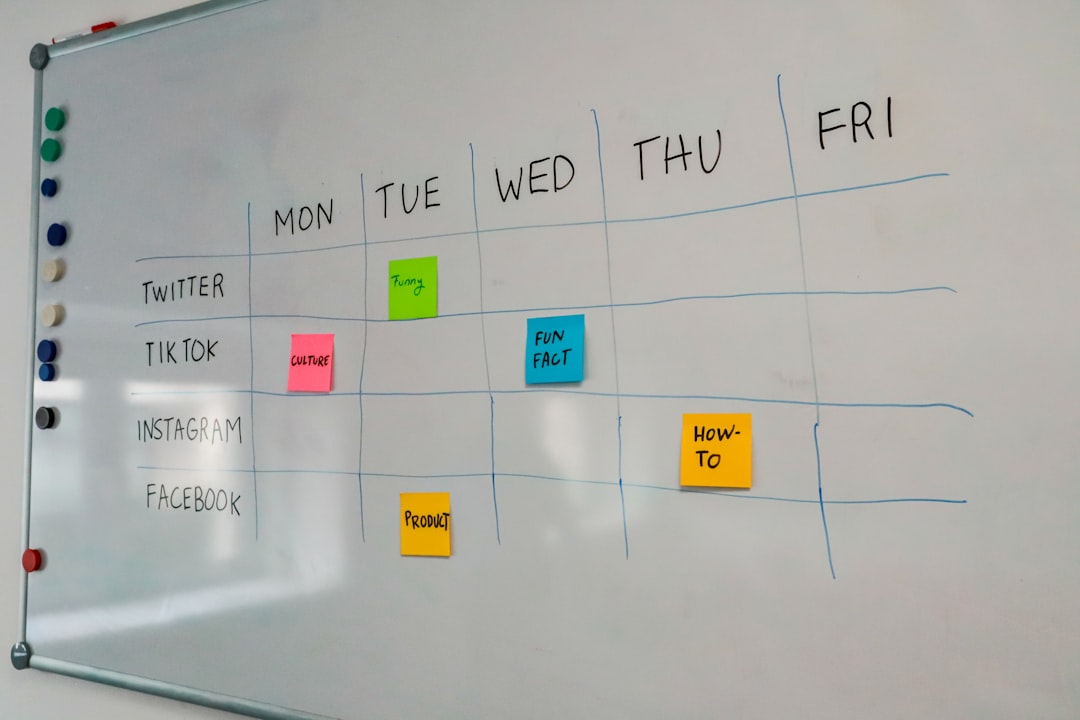
6. Build a Content and Campaign Calendar
A marketing agenda should turn strategy into a schedule. A calendar helps teams plan product launches, seasonal campaigns, blog posts, newsletters, social content, advertising flights, webinars, and promotional periods.
The calendar should include key dates, campaign themes, content formats, owners, deadlines, and distribution channels. This avoids rushed execution and makes it easier to coordinate creative, approval, and publishing workflows.
It is also wise to balance planned campaigns with room for flexibility. Market trends, customer questions, news events, or performance data may create opportunities that were not visible at the start of the planning period.
7. Set the Budget and Resources
A marketing plan cannot succeed without realistic resources. The budget should account for advertising spend, creative production, software, events, freelancers, agencies, research, and internal team capacity.
Resource planning should also define responsibilities. Each major activity needs an owner, whether it is a marketing manager, content specialist, designer, analyst, sales representative, or external partner. Without ownership, even a strong strategy can stall during execution.
8. Measure Performance with Relevant KPIs
Measurement is essential to an effective marketing agenda. Key performance indicators should connect directly to the original objectives. If the goal is awareness, relevant metrics may include reach, impressions, branded search volume, and website traffic. If the goal is lead generation, the team may track conversion rate, cost per lead, lead quality, and sales-qualified opportunities.
Important marketing KPIs may include:
- Website traffic and traffic sources
- Conversion rate
- Cost per acquisition
- Email open and click rates
- Customer lifetime value
- Return on advertising spend
- Marketing-influenced revenue
Performance reviews should take place regularly. Monthly or quarterly reviews help teams identify what is working, what needs improvement, and where spending should be adjusted. A marketing plan should not be treated as a fixed document; it should evolve based on evidence.
9. Keep the Plan Clear and Actionable
The most useful marketing agenda is easy to understand. It does not need excessive jargon or unnecessary complexity. Leadership should be able to see the strategy, teams should understand their responsibilities, and stakeholders should know how progress will be measured.
A practical marketing plan usually includes the following sections:
- Business and marketing objectives
- Target audience and customer insights
- Market and competitor analysis
- Positioning and key messages
- Channel strategy
- Campaign and content calendar
- Budget and resources
- KPIs and reporting schedule
When these elements work together, marketing becomes more focused, accountable, and effective. The organization can move from reactive promotion to intentional growth.
FAQ
What is the main purpose of a marketing agenda?
The main purpose is to organize marketing goals, strategies, campaigns, budgets, and measurements into one clear plan. It helps teams stay aligned and focused on activities that support business growth.
How often should a marketing plan be updated?
Most companies review their marketing plan monthly or quarterly and update it when performance data, market conditions, customer behavior, or business priorities change.
What makes a marketing plan effective?
An effective marketing plan has clear objectives, defined audiences, strong positioning, suitable channels, realistic budgets, assigned responsibilities, and measurable KPIs.
Does every business need a detailed marketing agenda?
Yes, although the level of detail may vary. A small business may use a simple one-page plan, while a larger organization may need a more detailed strategy with multiple campaigns and departments.
What is the biggest mistake in marketing planning?
One common mistake is choosing tactics before defining goals and audiences. Without strategy, marketing activity can become expensive, inconsistent, and difficult to measure.