
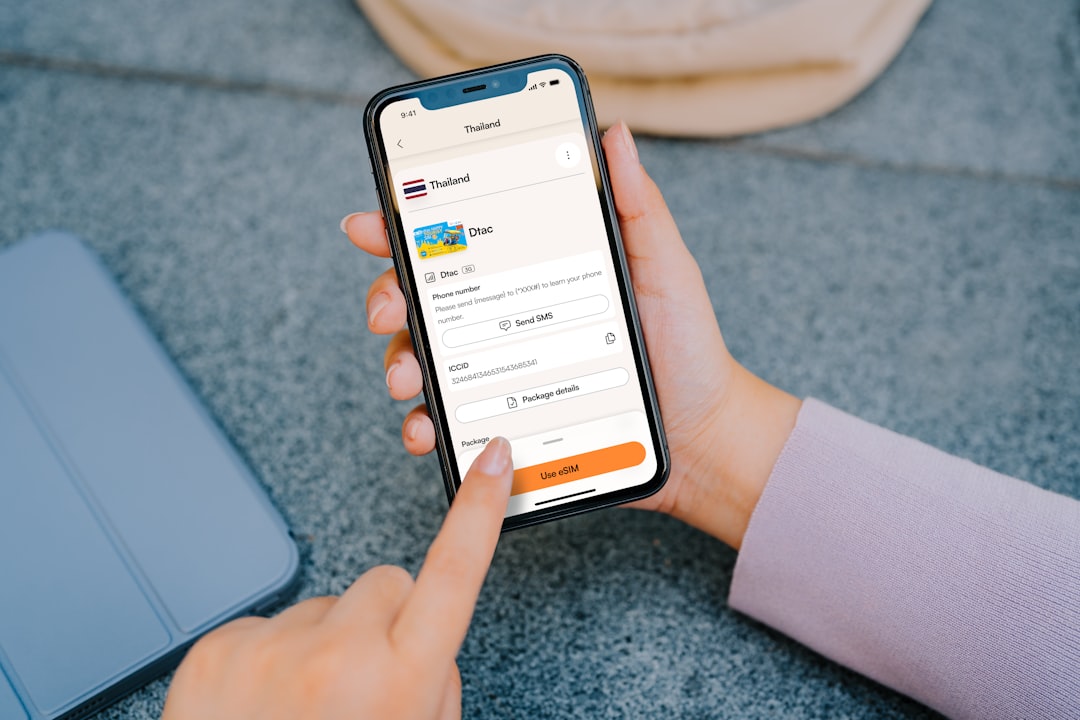
Buy Now Pay Later has grown from a checkout novelty into a mainstream payment option, especially for shoppers who want predictable installments without opening a traditional credit card. In 2026, Affirm and Klarna remain two of the biggest names in the category, but they are not interchangeable. One is strongest for transparent financing and larger purchases; the other shines as a shopping ecosystem with flexible short-term payment options.
TLDR: Affirm is generally better for larger purchases where you want clear repayment terms, no surprise late fees, and longer monthly plans. Klarna is often better for everyday shopping, fashion, beauty, and smaller purchases because its app, deals, and Pay in 4 experience are very convenient. For example, a shopper buying a $1,200 laptop may prefer Affirm’s fixed monthly plan, while someone splitting a $160 clothing order into four $40 payments may find Klarna easier. If your top priority is cost control, compare the APR, fees, and payment calendar before choosing either service.
How Affirm and Klarna Work
Both Affirm and Klarna let shoppers buy something now and pay it off over time, but their product styles are different. Affirm is known for showing the total cost upfront, including any interest, before you accept the loan. It commonly offers Pay in 4 for smaller purchases and longer monthly installment plans for larger items such as electronics, furniture, travel, and fitness equipment.
Klarna, meanwhile, is designed as both a payment service and a shopping app. It offers options such as Pay in 4, pay later, and monthly financing, depending on the merchant and shopper eligibility. Klarna’s biggest advantage is its smooth retail experience: wish lists, price drops, in-app stores, rewards, and promotional offers all make it feel less like a lender and more like a shopping companion.
Affirm: Best for Transparency and Bigger Purchases
Affirm’s strongest selling point in 2026 is still clarity. Before you commit, Affirm typically displays exactly what you will pay each month, how long the plan lasts, and the total interest charge if interest applies. That makes it easier to compare the financing offer with a credit card, personal loan, or simply waiting until you can pay in full.
Another major benefit is that Affirm has historically emphasized no late fees. That does not mean missed payments are harmless; they can still affect your ability to use Affirm and may be reported depending on the loan type and terms. However, the lack of a traditional late-fee structure is appealing for people who dislike penalty-based lending.
Affirm is usually the better fit when:
- You are buying something expensive, such as a laptop, mattress, appliance, or vacation package.
- You want fixed monthly payments over several months instead of four quick installments.
- You care about seeing the total cost upfront, including interest.
- You want fewer surprises and do not want a late-fee-focused model.
The downside is that Affirm is not always the cheapest option. Depending on your credit profile, merchant, and repayment term, APRs can be high. A longer plan may make a purchase feel affordable month to month while increasing the total cost. Affirm works best when you use it intentionally, not as a way to stretch every purchase.
Klarna: Best for Convenience and Everyday Shopping
Klarna’s appeal is different. It is built for shoppers who want flexibility at checkout and a polished app experience. Its Pay in 4 option is especially popular for lower-cost purchases because it can split the total into four payments, usually due every two weeks. For many shoppers, that makes a $200 cart feel more manageable as four $50 payments.
Klarna is particularly strong in categories like fashion, beauty, home goods, accessories, and lifestyle retail. The app also helps users discover stores, track deliveries, manage returns, and monitor deals. If you like browsing and comparing products before buying, Klarna’s ecosystem may feel more useful than Affirm’s more straightforward financing model.
Klarna is usually the better fit when:
- You make smaller purchases and want to split payments over a short period.
- You shop often at fashion, beauty, or lifestyle retailers.
- You value app features such as price alerts, store discovery, and order tracking.
- You want a fast checkout experience across many online stores.
However, Klarna can also encourage overspending. Because Pay in 4 payments look small, it is easy to stack multiple purchases at once. If you have three separate Klarna plans running, each with a $45 biweekly payment, that is suddenly $135 due in the same pay period. Convenience is valuable, but it requires discipline.

Fees, Interest, and Credit Impact
The biggest question for any BNPL service is not “Which one is easier?” but “What will it cost me?” Affirm and Klarna may offer interest-free plans, but not every plan is free. Longer financing terms can include interest, and eligibility varies by merchant, purchase amount, location, and consumer profile.
Affirm tends to be more transparent about APR and total repayment cost. This makes it easier to evaluate a larger purchase. Klarna can be very affordable for Pay in 4 when paid on time, but certain products and late or missed payments may create costs depending on the terms in your region.
Credit impact can also vary. Some BNPL applications use soft credit checks that do not affect your score, while longer-term financing may involve more formal credit reporting. In 2026, as regulators continue paying closer attention to BNPL, shoppers should assume that repayment behavior may matter more over time. The safest approach is simple: treat every installment plan like a real loan, because that is what it is.
User Experience: Which App Feels Better?
Klarna generally wins on shopping experience. Its app is more retail-focused, with features that help users browse, save items, receive price notifications, and manage orders. It feels closer to a shopping mall in your phone.
Affirm’s experience is more focused on financing decisions. It is less about browsing and more about helping you understand payment terms. If Klarna is the stylish shopping assistant, Affirm is the straightforward calculator at checkout.
For users who want entertainment, discovery, and deals, Klarna is more engaging. For users who want to finance a specific purchase with minimal distraction, Affirm may feel more trustworthy and less tempting.
Merchant Acceptance and Availability
Both services are widely accepted, but availability differs by retailer and country. Klarna has a particularly strong presence in fashion and lifestyle e-commerce, while Affirm is prominent in electronics, furniture, travel, fitness, and higher-ticket retail. Many major merchants offer one, both, or an alternative BNPL provider.
The “better” service may simply be the one available at the store you are using. Still, if both appear at checkout, do not choose automatically. Click into the terms, compare payment schedules, and check whether one option includes interest while the other does not.
So, Which Is Better in 2026?
Affirm is better for planned, higher-value purchases where transparency matters. If you are financing a $900 sofa, a $1,400 laptop, or a $2,000 trip, Affirm’s clear monthly payment structure can make it easier to budget. It is also a strong choice for shoppers who want to avoid traditional late fees and understand the full repayment cost before saying yes.
Klarna is better for frequent retail shoppers who want short-term flexibility and a more enjoyable app. If your purchases are usually under a few hundred dollars and you can reliably handle four biweekly payments, Klarna’s Pay in 4 model can be convenient and simple. Its app features also make it more useful before and after checkout.
The final answer depends on your behavior. If BNPL helps you manage cash flow without increasing your total spending, either service can be useful. But if installment payments make you buy things you would otherwise skip, neither Affirm nor Klarna is truly “better.” In 2026, the smartest BNPL user is not the one with the most apps, but the one who compares terms, limits active plans, and pays on time.
Bottom line: choose Affirm for transparency and larger purchases; choose Klarna for convenience, smaller carts, and a richer shopping experience. For the best result, use both sparingly and only when the repayment plan fits comfortably inside your budget.