

Airports are busy little cities with wings. Planes move. Trucks roll. Lights blink. People hurry. In the middle of all this action, airport teams must keep everything safe and compliant. That is where Part 139 inspections software comes in.
TLDR: Part 139 inspections software helps airports meet FAA safety rules with less paper and less stress. It makes inspections faster, cleaner, and easier to track. Teams can log issues, assign fixes, add photos, and create reports in one place. It is like giving your airport safety team a smart digital clipboard.
What Is Part 139?
Part 139 is a set of rules from the Federal Aviation Administration, also called the FAA. These rules apply to certain airports that serve scheduled passenger flights. The goal is simple. Keep airport operations safe.
Part 139 covers many airport areas. These include runways, taxiways, signs, lights, markings, fire safety, snow plans, wildlife control, and more. It is a big safety checklist. A very important one.
Airports must do regular inspections. They must record what they find. They must fix problems. They must show proof when the FAA asks. That proof matters. A lot.
In the old days, teams used paper forms, binders, radios, and spreadsheets. Some airports still do. But paper can get lost. Handwriting can be hard to read. Photos can sit on phones. Reports can take hours. Nobody wants that.
This is why Part 139 inspections software is so helpful.
The Big Idea: Less Paper, More Control
Part 139 inspections software puts inspection work into a digital system. It can run on a phone, tablet, or computer. Inspectors can walk or drive the airfield and enter notes right away.
See a broken taxiway light? Tap the screen. Add a note. Take a photo. Mark the location. Send the issue to maintenance. Done.
That is much easier than scribbling on paper in a truck while trying not to drop a pen under the seat.
Why Airports Need Better Inspection Tools
Airports do not get to guess when it comes to compliance. They need clear records. They need fast action. They need proof that inspections happened and problems were handled.
Good software helps with all of that.
- It saves time. Inspectors can complete forms faster.
- It reduces errors. Required fields can stop missing data.
- It stores records. Reports stay in one secure place.
- It improves communication. Teams can see what needs attention.
- It supports audits. FAA visits become less scary.
Think of it like a digital control tower for compliance. It does not fly the planes. But it helps people see what is going on.
Daily Inspections Made Simple
Part 139 airports must inspect movement areas every day. That means checking runways, taxiways, ramps, safety areas, markings, lighting, signs, pavement, construction zones, and other important items.
A digital inspection form can guide the inspector step by step. It can show each item that must be checked. It can use simple buttons like Pass, Fail, or Needs Attention.
If something is wrong, the inspector can add details right there. No need to wait until later. No need to remember the exact light number after lunch.
Some systems also work offline. That matters because airfields can have weak signal areas. The inspector can keep working. When the device reconnects, the data syncs.
Photos Are Your Best Friend
A photo can explain a problem faster than a long paragraph. Part 139 software often lets users attach photos to inspection items.
This is very useful for things like:
- Cracked pavement
- Faded markings
- Damaged signs
- Standing water
- Foreign object debris, also called FOD
- Wildlife activity
- Broken lights
Photos help maintenance teams understand the issue. They help managers see the risk. They help prove that the airport found and fixed the problem.
Also, photos are harder to argue with. A picture of a missing sign panel is pretty clear. It says, “Hello, I am missing.”
Work Orders Without the Runaround
Finding a problem is only half the job. Fixing it is the other half.
Part 139 inspections software often includes work order tools. When an inspector finds an issue, they can create a work order right away. The system can assign it to the right person or team. It can set a priority. It can track the status.
For example, a burned out runway edge light may need fast action. A small faded paint area may be lower priority. The software helps sort this out.
Everyone can see what is open. Everyone can see what is complete. No more mystery. No more “I thought someone else had it.”

Better Reporting for FAA Inspections
FAA inspections can make airport teams nervous. That is normal. But good records make a big difference.
With paper systems, finding old inspection records can take time. Someone may need to dig through binders. Then another binder. Then a box. Then maybe ask Barry, because Barry always knows where things are.
With software, records can be searched in seconds. You can filter by date, inspection type, issue, location, or status. You can export reports. You can show history.
This supports a better audit process. It also helps show a strong safety culture. The airport is not just saying it cares. It has the records to prove it.
Common Features to Look For
Not all software is the same. Some tools are simple. Some are packed with features. The best choice depends on airport size, staff, budget, and workflow.
Here are useful features to look for:
- Custom inspection forms: Match the airport certification manual and local needs.
- Mobile access: Use phones or tablets in the field.
- Offline mode: Keep working without a strong signal.
- Photo uploads: Add visual proof fast.
- GPS or map tools: Mark the exact location of issues.
- Work order tracking: Assign and close corrective actions.
- Automated alerts: Notify the right people right away.
- Digital signatures: Confirm who completed the inspection.
- Report exports: Create clean records for reviews.
- User permissions: Control who can view, edit, or approve items.
A system should be powerful. But it should also be easy. If it feels like flying a spaceship to report a broken sign, staff may not love it.
Wildlife, Snow, and Other Airport Adventures
Airports deal with more than pavement and lights. They also deal with animals, weather, construction, fuel spills, and surprise events.
Part 139 software can help track these too.
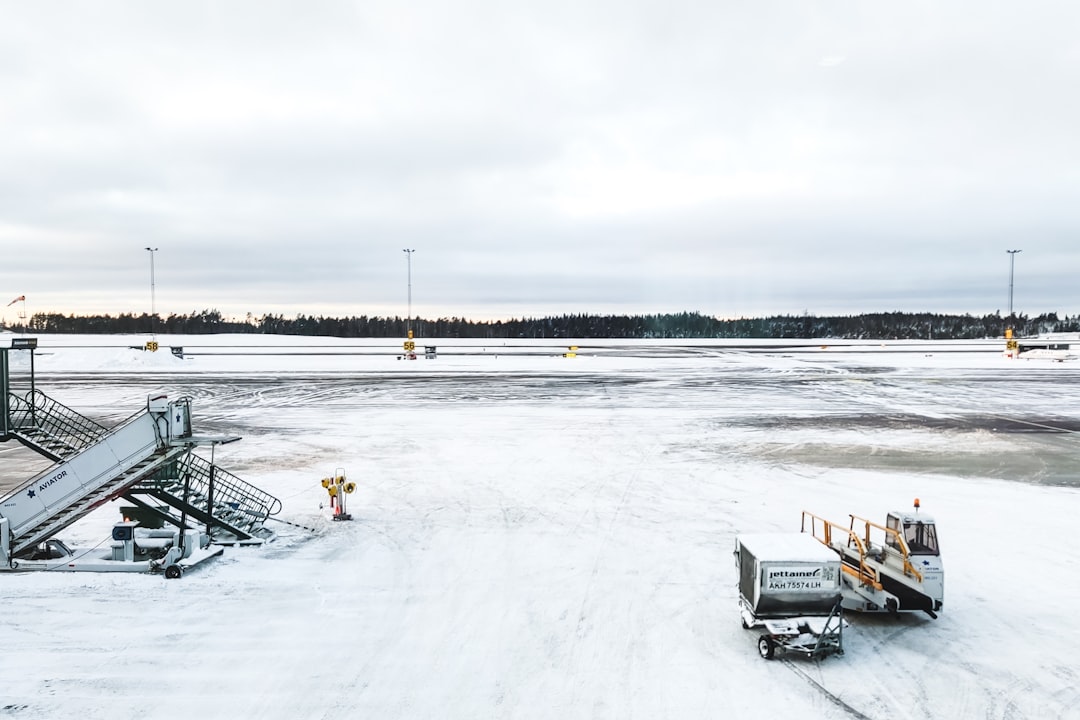
Wildlife logs can record bird strikes, animal sightings, habitat concerns, and control actions. Snow and ice logs can record field conditions, braking action, chemical use, plowing times, and runway status. Construction inspections can record barricades, routes, lighting, and safety zones.
That sounds like a lot. Because it is. But software helps keep it organized.
How Software Helps Safety Culture
Safety culture is a big phrase. But the idea is simple. People should notice risks. People should report risks. People should fix risks. People should learn from risks.
Software supports this by making reporting easier. If reporting is hard, people may delay it. If reporting is simple, they are more likely to do it right away.
It also creates visibility. Managers can see trends. Maybe one taxiway has repeated lighting issues. Maybe one area gets FOD often. Maybe snow response times vary by shift. Data can show patterns.
Patterns help airports improve. They turn “we think” into “we know.”
What About Small Airports?
Small airports can benefit too. In fact, they may benefit a lot. Smaller teams often wear many hats. One person may handle operations, safety, inspections, and three surprise meetings before breakfast.
Software can reduce the load. It can standardize forms. It can remind staff about tasks. It can make reports easier to prepare. It can help part time or newer staff follow the same steps as experienced staff.
A small airport does not always need the biggest system. A simple, focused tool may be best. The goal is not to buy fancy buttons. The goal is to improve compliance and safety.
How to Choose the Right Solution
Before choosing software, airports should ask practical questions.
- Does it support Part 139 inspection needs?
- Can forms match our Airport Certification Manual?
- Is it easy for field staff to use?
- Can it work on our devices?
- Does it store records securely?
- Can we get reports quickly?
- How are updates and support handled?
- Can it grow with the airport?
It is also smart to test the software with real users. Let inspectors try it in the field. Watch what happens. If they smile, good sign. If they sigh every three seconds, keep looking.
Implementation Does Not Have to Be Painful
Switching from paper to software can feel big. But it does not have to be scary.
Start with one inspection type. Train a small group. Build forms carefully. Check that reports look right. Then expand.
Keep instructions simple. Use plain language. Make sure staff know why the change matters. This is not just “new tech.” It is a tool to protect passengers, crews, airport workers, and the airport itself.
Also, celebrate small wins. Faster reports? Great. Fewer missed fields? Great. Better work order tracking? Extra great. Bring donuts if allowed. Compliance donuts are still donuts.
The Future of Airport Compliance
Part 139 inspections software will keep getting smarter. More systems may use dashboards, maps, analytics, and automated reminders. Some may connect with asset management tools, maintenance systems, NOTAM workflows, or safety management systems.
But the heart of the software will stay the same. Help airports spot problems. Help teams fix them. Help leaders prove compliance. Help everyone stay safe.
That is the real magic. Not magic like rabbits in hats. Magic like fewer lost forms and fewer stressful audit days.
Final Approach
Part 139 compliance is serious work. But the tools used to manage it do not need to be confusing. Good inspections software makes the job clearer, faster, and more organized.
It helps inspectors capture details in the moment. It helps maintenance teams respond. It helps managers see trends. It helps airports prepare for FAA reviews. Most of all, it supports safer operations.
Airports are complex places. But safety records do not have to be a maze. With the right Part 139 inspections software, compliance can feel less like paperwork turbulence and more like a smooth landing.