
A POV view puts the audience inside a character’s eyes. The camera shows what that person sees. That is the magic trick. In film language, this is often called a point of view shot [source: StudioBinder]. It can feel scary, funny, personal, or wildly chaotic.
TLDR: A POV view makes the camera act like a person, animal, robot, ghost, or even a rolling burrito if your story demands it. For example, a horror scene gets stronger when we see the dark hallway through the victim’s eyes. If a 30-second scene uses 6 seconds of POV, that small 20% can make the audience feel much closer to the action. Use it when you want viewers to feel, not just watch.
What Is a POV View?
A POV view is a camera angle that shows the world from a character’s position. The camera becomes their eyes. We see what they see. We may also hear what they hear.
Imagine a character opening a door. In a normal shot, we see the person and the door. In a POV shot, we see the handle, the hand reaching out, and whatever creepy thing waits behind it. Great. Now nobody is relaxed.
The POV view is not only for humans. The camera can show the view of:
- A dog chasing a ball.
- A robot scanning a room.
- A race car driver speeding through a track.
- A villain watching someone from the shadows.
- A baby staring up at giant adults.
That is why POV is so useful. It changes how the audience feels in seconds.
Image not found in postmetaWhy POV Shots Work So Well
POV shots work because they make things feel personal. The viewer is no longer just sitting outside the story. They are placed inside it.
This can create strong emotions fast.
- Fear: We see a monster coming at us.
- Wonder: We see a huge fantasy city for the first time.
- Speed: We race downhill on a bike.
- Confusion: We wake up in a strange room.
- Comedy: We see a dog steal food from a table.
Honestly, it feels like cheating sometimes. A plain hallway can become tense just by showing it through a nervous character’s eyes. Add shaky breathing, and suddenly the hallway deserves its own villain credit.
Simple POV Examples
Let’s make this easy. Here are common POV view examples you have probably seen.
1. The Horror POV
A character walks through a dark house. The camera shows their flashlight beam. We hear floorboards creak. The viewer sees only what the character sees.
This creates panic. The audience wants to look left, right, and behind. But they cannot. That is the point. Mean? Yes. Effective? Very.
2. The Action POV
The camera sits on a helmet, chest rig, or vehicle. We see punches, crashes, jumps, and falls from the character’s view.
This is great for chase scenes. It gives the scene energy. It also makes every hit feel closer.
3. The Romance POV
A person looks across a room. Someone smiles back. The camera shows that smile as if we are the person receiving it.
Simple. Soft. A little cheesy. But it works.
4. The Video Game POV
The camera shows hands holding a weapon, tool, steering wheel, or device. This style feels like a first-person game.
It can make a film feel active. The viewer feels like they are playing along.
5. The Animal POV
A low camera runs through grass. Shoes stomp nearby. A ball flies overhead. Now we are a dog, cat, mouse, or confused raccoon.
This is fun because the world changes size. Chairs become towers. Humans become giants. Snacks become treasure.
Image not found in postmetaPOV View vs Over the Shoulder Shot
These two shots get mixed up a lot.
A POV shot shows exactly what the character sees. The character is usually not visible, except maybe their hands or feet.
An over the shoulder shot sits behind a character. We see part of their head or shoulder. We also see what they are facing.
Here is the quick test:
- If you feel like you are the character, it is probably POV.
- If you feel like you are standing behind the character, it is probably over the shoulder.
How to Film a POV Shot
You do not need a giant crew. You need a clear idea. You also need steady hands, or a good reason for shaky footage.
Step 1: Pick the Character’s Exact Position
Ask one simple question.
Where are their eyes?
If the character is sitting, place the camera at sitting eye height. If they are a child, go lower. If they are lying on the floor, get down there. Yes, the floor is dirty. Art is pain.
Step 2: Show Hands When Needed
Hands help sell the view. They tell us whose body we are in.
Show hands when your character:
- Opens a door.
- Picks up a clue.
- Holds a weapon.
- Touches a face.
- Grabs a steering wheel.
Do not overdo it. Random floating hands can look silly fast.
Step 3: Match the Movement to the Character
A calm doctor should not move like a squirrel with espresso. A terrified teen should not glide like a luxury drone.
Movement tells personality. Keep it honest.
- Nervous character: small shakes, quick turns.
- Confident character: smooth moves, steady framing.
- Drunk character: slow sways, soft focus.
- Runner: bounce, breath, fast cuts.
Step 4: Use Sound Like a Secret Weapon
Sound can make POV feel real. Add breathing. Add footsteps. Add fabric rustle. Add a heartbeat if the scene is tense.
The catch is, bad sound ruins the trick fast. If the audio is muddy, the viewer notices. Expect to waste time fixing tiny clicks, weird mouth sounds, and wind noise if you record in a noisy place.
Step 5: Do Not Stay in POV Forever
POV is strong because it is special. If every shot is POV, the effect can wear out.
Use it like hot sauce. A little can wake up the scene. Too much can make everyone regret dinner.
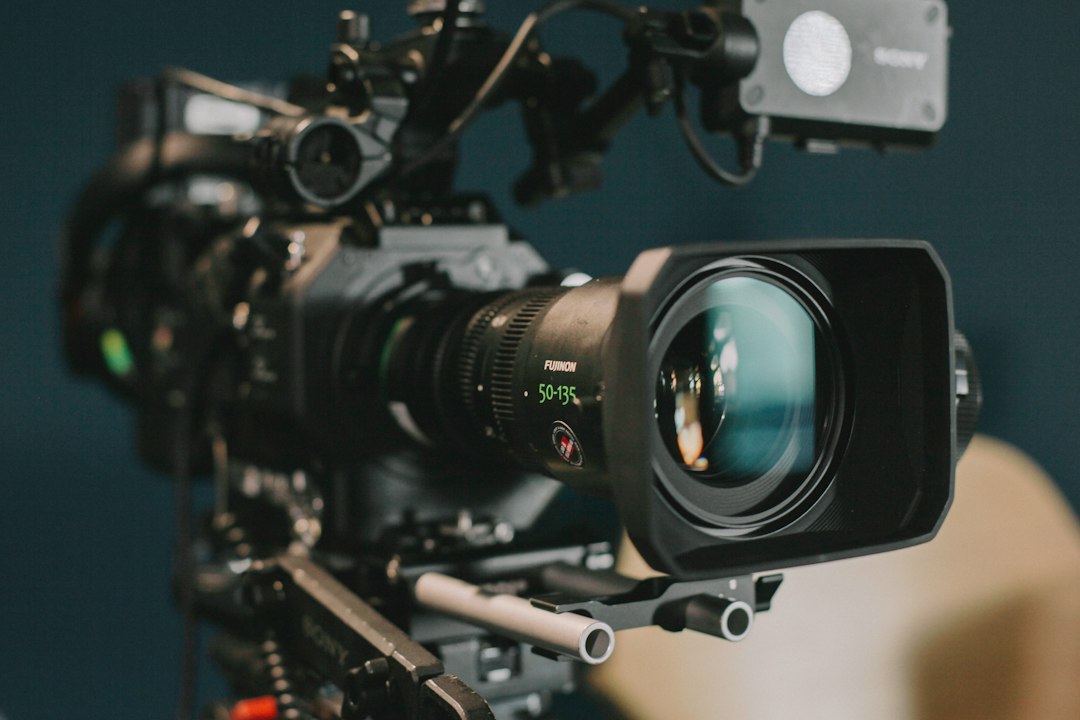
Best Times to Use POV View
Use POV when the audience needs to feel close to a moment. It is great for emotion, shock, and discovery.
Try POV when:
- A character sees something shocking.
- A scene needs tension.
- You want the viewer to feel trapped.
- A character enters a new place.
- An action beat needs extra impact.
- You want a funny surprise reveal.
POV is also useful in ads, music videos, tutorials, and social clips. A cooking video can use POV to show chopping. A fitness video can show a runner’s view. A travel clip can show someone stepping onto a beach. Simple stuff. Very watchable.
Common POV Mistakes
POV looks easy. Then you try it. Suddenly the camera is too high, the hands look fake, and the actor is bumping into furniture. Classic.
Watch for these mistakes:
- Wrong height: The camera does not match the character’s eyes.
- Too much shaking: The shot becomes hard to watch.
- No clear subject: The audience does not know where to look.
- Fake hand movement: The hands do not match the body.
- Weak sound: The view feels flat.
- Overuse: The scene starts to feel like raw helmet footage.
Quick Filmmaking Tips
Here are simple tips you can use right away.
- Plan the eye line. Know what the character looks at first, second, and third.
- Keep the frame readable. POV should feel real, not messy.
- Use cuts wisely. Cut when the character blinks, turns, or reacts.
- Add body clues. Hands, shadows, sleeves, or shoes can help.
- Test the shot. Watch it back before moving on.
- Think about comfort. Too much shaky POV can make viewers feel sick.
A good POV view is simple. It says, “You are here now.” That is powerful. Use it with care, and your scene can feel bigger, closer, and much more alive.